
The post has been translated automatically. Original language: Russian





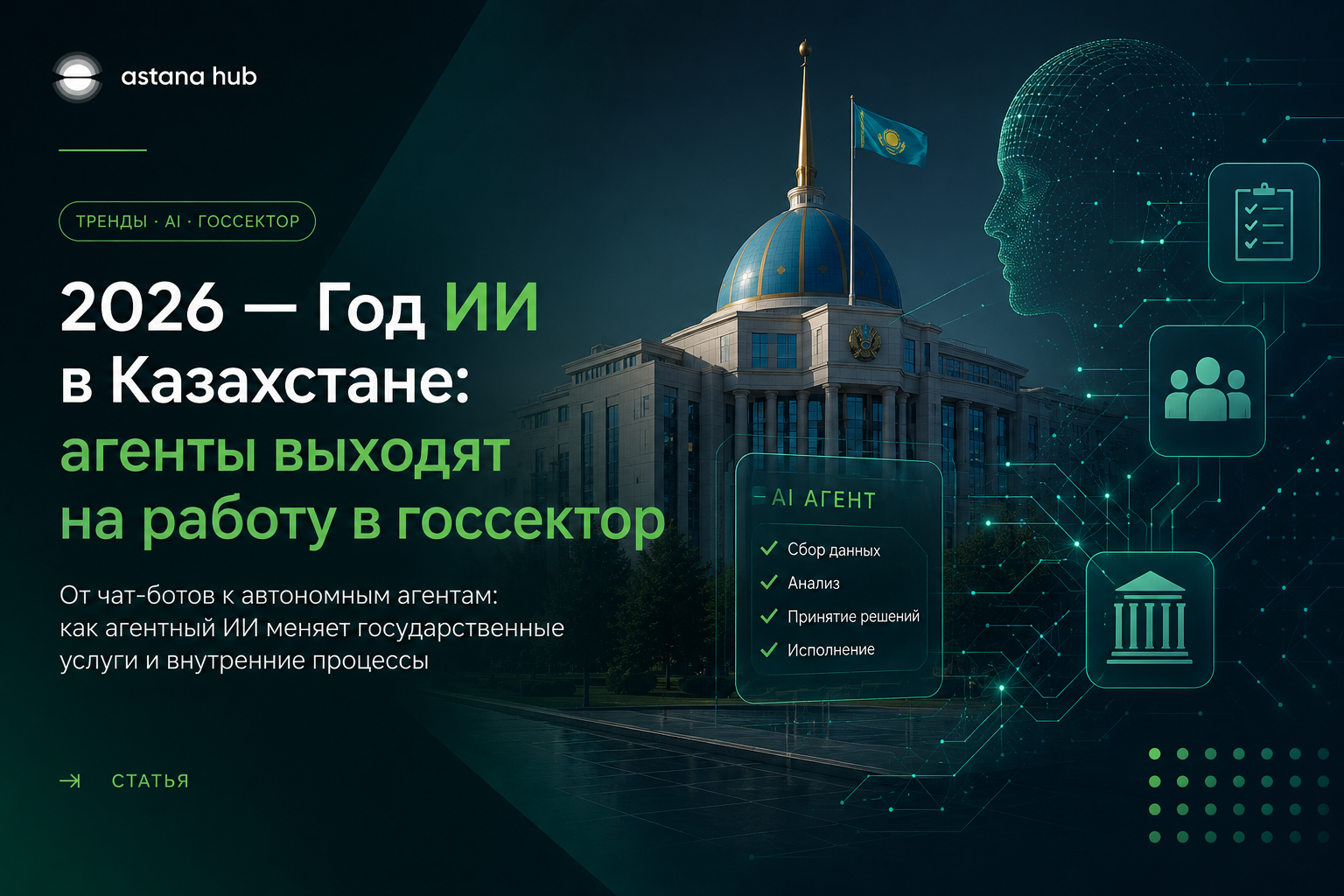
A couple of years ago, "AI in public services" meant a chatbot that answers typical questions. In 2026, the conversation changed: it's no longer about asking artificial intelligence, but about instructing it to finish the job - fill out a form, process an appeal, and conduct an audit. We are talking about the so-called agent-based artificial intelligence, and it is this shift that is now setting the agenda in both business and public administration. The difference is simple, but fundamental. The classic AI assistant answers the question and stops. An agent brings a multi-step task to a result independently: collects data, makes intermediate decisions, and, if necessary, turns to other systems. In Gartner's cybersecurity reports for 2026, agent -based artificial intelligence is named as one of the key trends. It is already actively used by employees and developers, and it creates new tasks for control - simply because the agent, unlike a regular chatbot, not only responds, but also acts.Kazakhstan is not watching from the sidelines - it is one of those who implement it.What is happening next to us is especially interesting here. 2026 has been officially declared the Year of Digitalization and Artificial Intelligence in Kazakhstan, a separate ministry for artificial intelligence and digital development has been established, and the course is fixed at the level of the President's instructions.
We are not talking about one-time pilots: eGov AI intellectual consultant It has already processed more than two million citizen requests, significantly reducing the burden on contact centers and PSC, and by the end of the year, the state expects to automate with the help of intelligent agents how at least fifty public services - from obtaining certificates to accompanying civil servants. The idea, which is called the "invisible state" in Kazakhstan, sounds almost literally: the citizen formulates the situation in his own words, and the system selects the necessary service and forms out the result itself - without going to offices and standard statements. This is exactly the direction in which the global market has been moving in recent months, only here it is fixed as a state strategy, with specific deadlines and figures.
The more autonomy an intelligent agent has, the more important the control around him is. When it comes to public services, the price of a mistake is inconvenience. Therefore, in our projects, we consciously design agents so that the decision with consequences remains with the person, and the agent has data collection, analysis and preparation of the solution. It's faster for the state, but without the illusion that you can give everything away "automatically."Why is this important right now? For a market like Kazakhstan, this is a rare window: the government itself formulates the demand for solutions that companies like ours already know how to make. The question of the next two or three years is whether to "introduce agent-based artificial intelligence into the public sector," this has already been decided at the strategic level.The question is who will do it carefully, with control and the ability to check the actions of the system, and who will just do it quickly.We prefer the former.
Ещё пару лет назад «ИИ в госуслугах» означало
чат-бота, который отвечает на типовые вопросы. В 2026 году разговор
изменился: речь больше не о том, чтобы спросить у искусственного
интеллекта, а о том, чтобы поручить ему довести дело до конца - заполнить форму, обработать обращение, провести проверку. Речь идёт о
так называемом агентном искусственном интеллекте, и именно этот сдвиг
сейчас определяет повестку и в бизнесе, и в государственном управлении.
Разница простая, но принципиальная. Классический ИИ-ассистент отвечает
на вопрос и останавливается. Агент - доводит многошаговую задачу до
результата самостоятельно: собирает данные, принимает промежуточные
решения, при необходимости обращается к другим системам. В отчётах Gartner по кибербезопасности на 2026 год агентный
искусственный интеллект назван одним из ключевых трендов. Его уже
активно используют сотрудники и разработчики, и он создаёт новые задачи
для контроля - просто потому, что агент, в отличие от обычного чат-бота,
не только отвечает, но и действует.
Казахстан не наблюдает со стороны - он один из тех, кто это внедряет
Здесь особенно интересно то, что происходит рядом с нами. 2026 год
официально объявлен в Казахстане Годом цифровизации и искусственного
интеллекта, создано отдельное министерство по искусственному интеллекту и
цифровому развитию, а курс закреплён на уровне поручений Президента.
Речь идёт не о разовых пилотах: интеллектуальный консультант eGov AI уже обработал больше двух миллионов обращений граждан, заметно снизив нагрузку на контакт-центры и ЦОНы, а до конца года государство рассчитывает автоматизировать с помощью интеллектуальных агентов как минимум полсотни государственных услуг - от получения справок до сопровождения государственных служащих. Идея, которую в Казахстане называют «невидимым государством», звучит почти буквально: гражданин формулирует ситуацию своими словами, а система сама подбирает нужную услугу и оформляет результат - без походов по кабинетам и типовых заявлений. Это ровно то направление, в котором последние месяцы движется и мировой рынок, только здесь оно закреплено как государственная стратегия, с конкретными сроками и цифрами.
Чем больше автономии у
интеллектуального агента, тем важнее контроль вокруг него. Когда речь о государственной услуге, цена ошибки - это неудобство.
Поэтому в наших проектах мы сознательно проектируем агентов так, чтобы
решение с последствиями оставалось за человеком, а у агента были сбор
данных, анализ и подготовка решения. Быстрее для государства, но без иллюзии, что можно всё отдать «на автомат».
Почему это важно именно сейчас
Для рынка вроде казахстанского это редкое окно: государство само
формулирует спрос на решения, которые компании вроде нашей уже умеют
делать. Вопрос ближайших двух-трёх лет - не
«внедрять ли агентный искусственный интеллект в госсектор», это уже
решено на уровне стратегии.Вопрос в том, кто сделает это аккуратно, с контролем и возможностью проверить действия системы, а кто - просто быстро.
Мы предпочитаем первое.
 Share