
The post has been translated automatically. Original language: Russian




In a previous post about food waste, I promised the following analysis — staff productivity. I'll come back to her next time: after the post about the control panel in the comments and in the personal account, many questions came specifically about AI agents - what is it, where they already work in the cafeteria, and where is marketing so far. I'll sort it out in order.
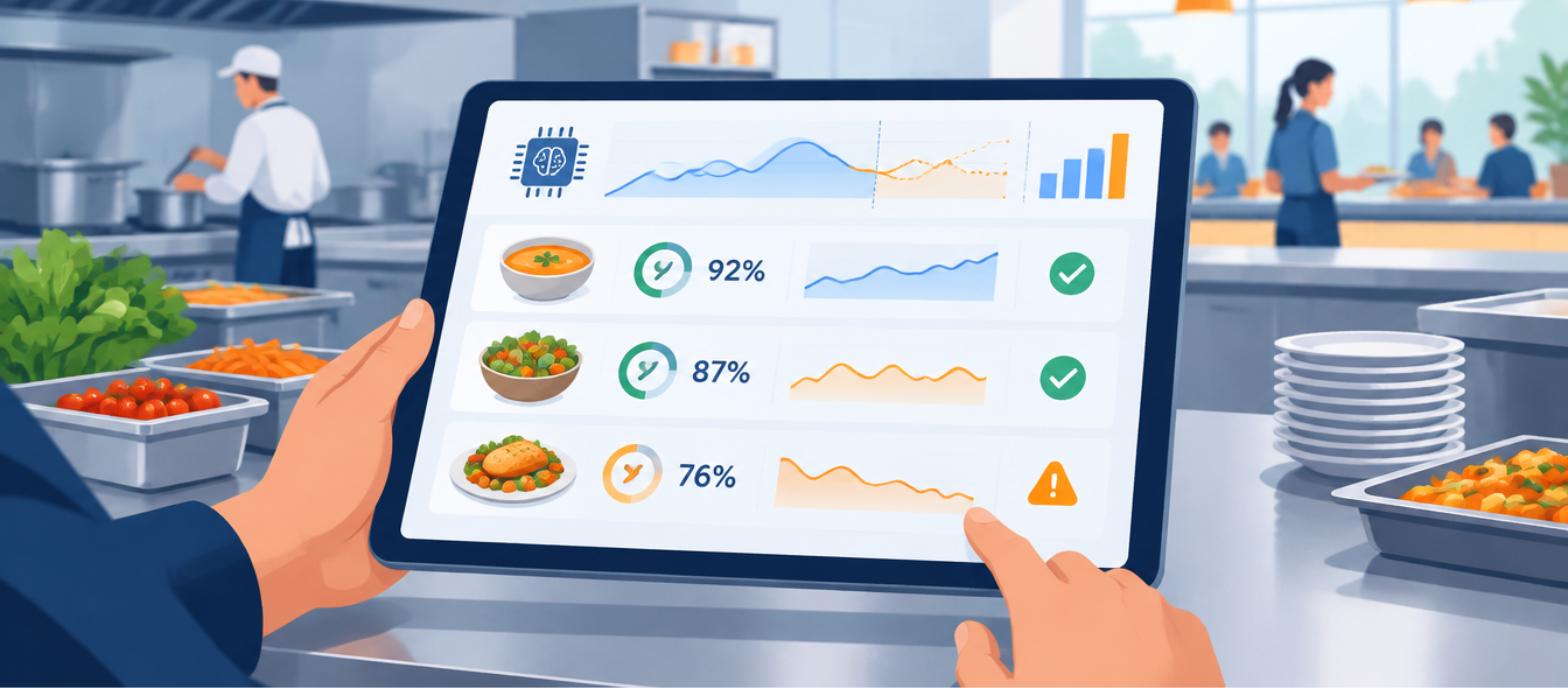
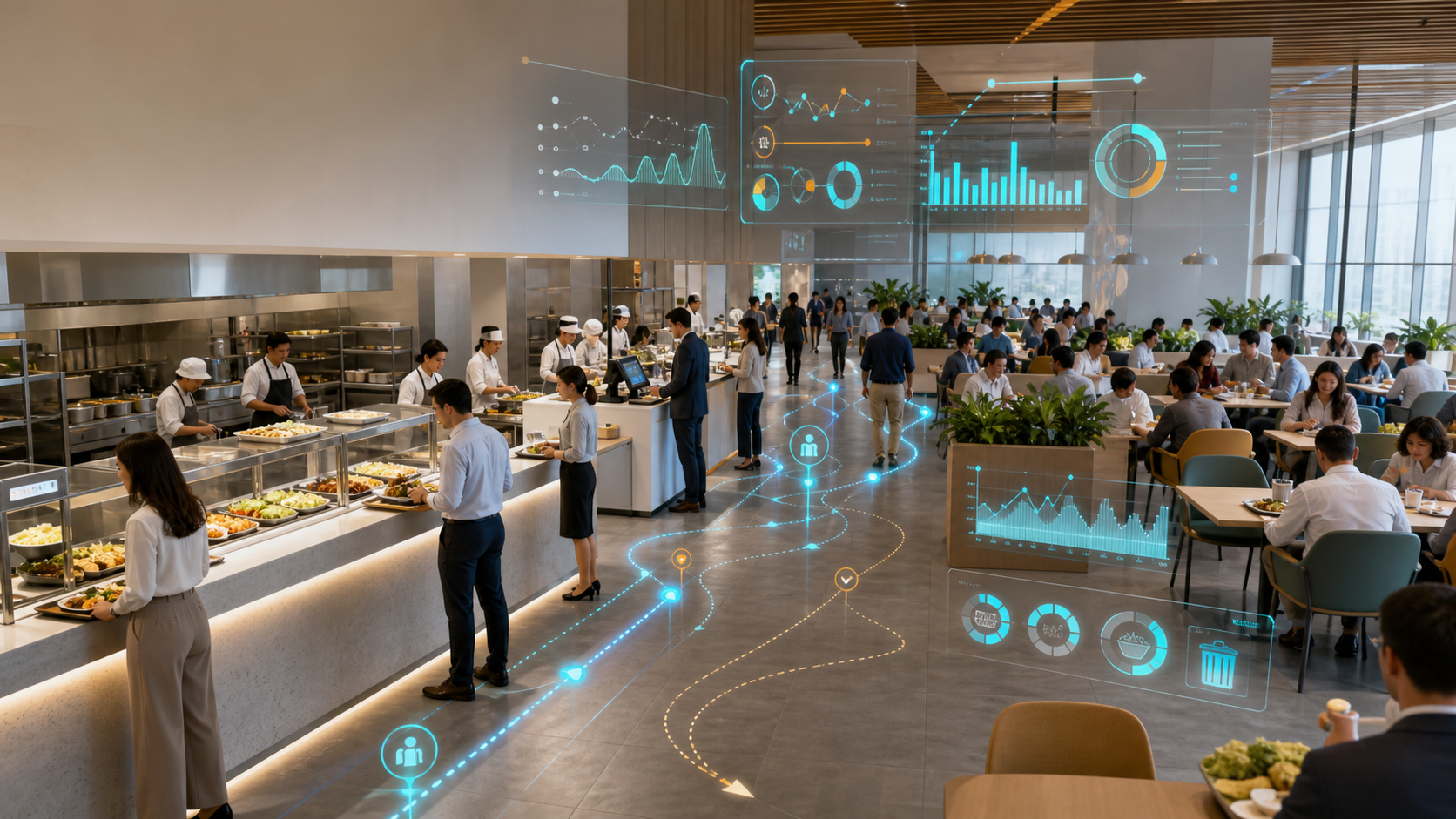
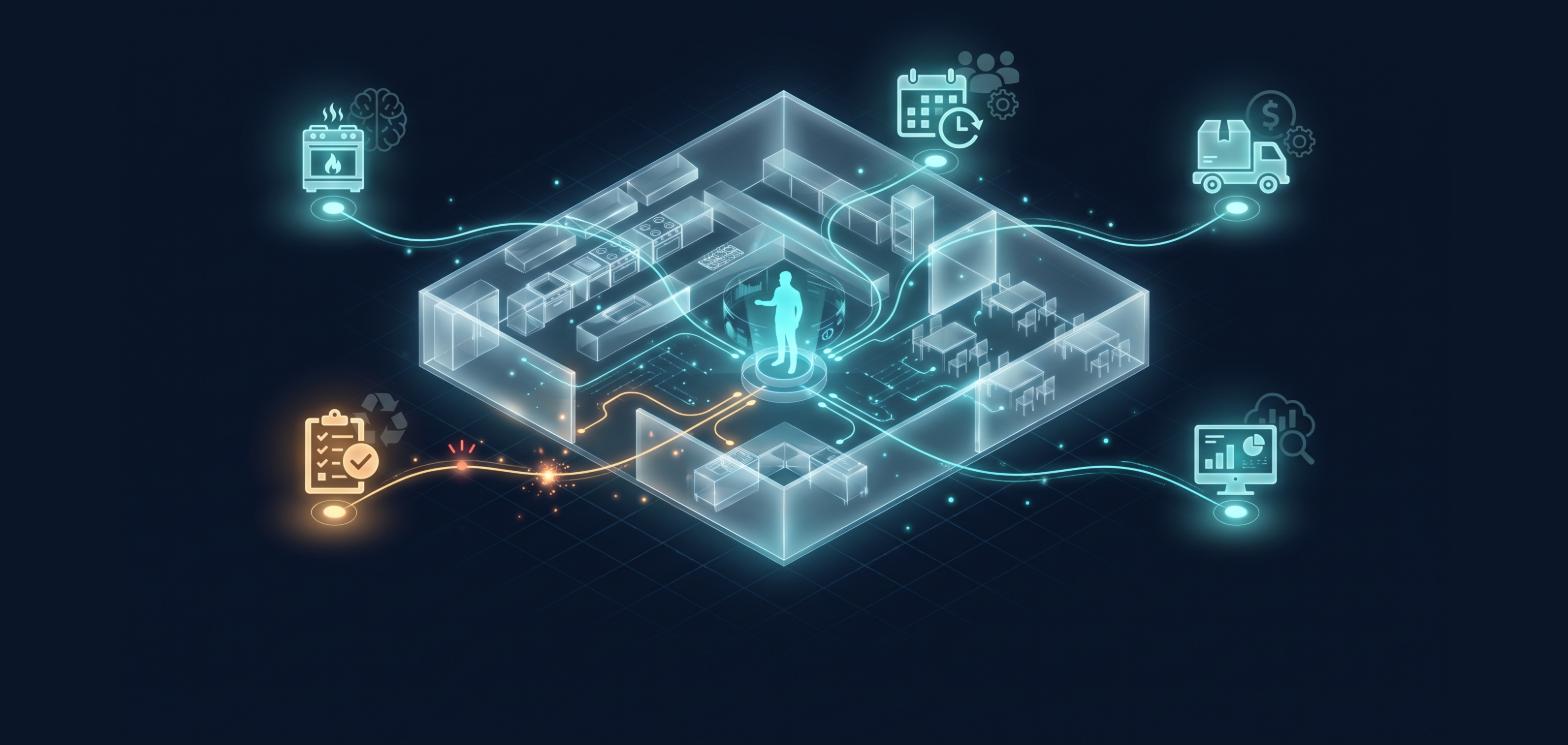
Automation is not the same as AI-Agentautomatization fulfills a predefined rule: "if the remaining flour is less than 20 kg, send a request to the supplier." The AI agent differs in that it evaluates the situation based on the data itself and offers a solution where one condition cannot describe the rule: "tomorrow the flow will be 12% higher than usual - here is a recalculated list of purchases and pre—orders for semi-finished products." The difference in practice is that automation doesn't make mistakes because it doesn't think. An agent can make mistakes, so he should always have a human control point.Where agents are already actually working in the canteen, the agent is a flow and menu forecaster. Calculates the expected number of visitors and the breakdown by dish, adjusted for the day of the week, season, weather and corporate events. Reduces over—preparation - the very reason for the No. 1 write—off from the last post - because the kitchen plan is not built "like yesterday", but based on a model.Purchasing agent. Compares the consumption rate for each menu item with the actual sales and balances, forms an application to the supplier and highlights deviations from the usual volume for human verification. He does not send the request himself without confirmation — the decision on the purchase amount remains with the manager.The debit control agent. It analyzes waste for a reason — re—preparation, portioning, storage, return - without manually checking invoices, and marks atypical cases. What to do with the found reason is still up to the boss or the manager to decide.Agent-reporting. It collects data from the kitchen, cash register and warehouse into one panel for the manager, chef and customer, which I wrote about separately. It saves not money, but hours of manual tabulation at the end of the shift.The recruitment agent. Based on the flow forecast, he suggests an exit schedule for cooks and distributors by the hour, rather than according to the intuition of the shift supervisor. I will return to this topic in detail in the next publication.What can't be delegated to an agent
The composition of the menu, pricing, conditions with suppliers, disciplinary decisions on employees are always a human decision. The agent can give numbers and options, but should not make a decision that changes relationships with people or the company's money without confirmation. A canteen where "AI decides everything by itself" without a checkpoint is not automation, it is a rejection of management.What it looks like in one day6:00 — the forecaster agent gives the expected flow and adjusts the list of workpieces in the kitchen. 10:00 a.m. — the purchasing agent checks the balances and prepares an application to the supplier for tomorrow, the manager confirms with one click. 15:00 — the debit control agent marks three positions with deviations from the norm — the boss checks on the spot. 18:00 — the reporting agent gathers the day into one panel for the morning meeting. None of the four agents made the decision themselves — each prepared a solution for the person and reduced the time to get to it.The main conclusion is that the value of AI agents in the dining room is not that they replace the chef or the manager. The problem is that they remove manual recalculation, reconciliation, and coordination between the kitchen, purchasing, and reporting — and leave the person with what really needs to be addressed. An agent without a human control point is a risk, not automation.Who already has at least one such agent working for them — forecasting, purchasing, or reporting? Please share at what stage you stopped and what prevented you from going further.
В прошлой публикации про пищевые отходы я обещал следующий разбор — производительность персонала. Вернусь к ней в следующий раз: после поста про панель управления в комментариях и в личку пришло много вопросов именно про AI-агентов — что это, где они уже работают в столовой, а где это пока маркетинг. Разберу по порядку.
Автоматизация — это не то же самое, что AI-агентАвтоматизация выполняет заранее заданное правило: «если остаток муки меньше 20 кг — отправить заявку поставщику». AI-агент отличается тем, что сам оценивает ситуацию по данным и предлагает решение там, где правило одним условием не описать: «поток завтра будет выше обычного на 12% — вот пересчитанный список закупки и предзаказ на полуфабрикаты». Разница на практике: автоматизация не ошибается, потому что не думает. Агент может ошибиться, поэтому у него всегда должна быть точка контроля человеком.Где агенты уже реально работают в столовойАгент-прогнозист потока и меню. Считает ожидаемое число посетителей и разбивку по блюдам с поправкой на день недели, сезон, погоду и корпоративные события. Снижает переготовку — ту самую причину списаний №1 из прошлого поста — потому что план кухни строится не «как вчера», а на основе модели.Агент-закупщик. Сверяет норматив расхода по каждой позиции меню с фактическими продажами и остатками, формирует заявку поставщику и подсвечивает отклонения от обычного объёма для проверки человеком. Не отправляет заявку сам без подтверждения — решение о сумме закупки остаётся за управляющим.Агент контроля списаний. Разбирает отходы по причине — переготовка, порционирование, хранение, возврат — без ручной сверки накладных, и помечает нетипичные случаи. Что делать с найденной причиной — по-прежнему решает шеф или управляющий.Агент-отчётность. Собирает данные из кухни, кассы и склада в одну панель для управляющего, шеф-повара и заказчика, о которой я писал отдельно. Экономит не деньги, а часы ручного сведения таблиц в конце смены.Агент расстановки персонала. На основе прогноза потока предлагает график выхода поваров и раздатчиков по часам, а не по интуиции старшего смены. К этой теме подробно вернусь в следующей публикации.Что агенту делегировать нельзя
Состав меню, ценообразование, условия с поставщиками, дисциплинарные решения по сотрудникам — это всегда решение человека. Агент может дать цифры и варианты, но не должен принимать решение, которое меняет отношения с людьми или деньги компании без подтверждения. Столовая, где «AI сам всё решает» без контрольной точки — это не автоматизация, это отказ от управления.Как это выглядит одним днём6:00 — агент-прогнозист даёт ожидаемый поток и корректирует список заготовки на кухне. 10:00 — агент-закупщик сверяет остатки и готовит заявку поставщику на завтра, управляющий подтверждает одним кликом. 15:00 — агент контроля списаний помечает три позиции с отклонением от нормы — шеф проверяет на месте. 18:00 — агент-отчётность собирает день в одну панель для утренней планёрки. Ни один из четырёх агентов не принял решение сам — каждый подготовил решение для человека и сократил время на то, чтобы до него добраться.Главный выводЦенность AI-агентов в столовой не в том, что они заменяют шеф-повара или управляющего. Она в том, что они убирают ручной пересчёт, сверку и координацию между кухней, закупкой и отчётностью — и оставляют человеку то, что действительно требует решения. Агент без точки контроля человеком — это риск, а не автоматизация.У кого уже работает хотя бы один такой агент — на прогнозе, на закупке или на отчётности? Поделитесь, на каком этапе остановились и что мешало пойти дальше.
 Share