
The post has been translated automatically. Original language: Russian





Overview of services: from EDO and 1C to the "Financier" management accounting system
Height IT companies and the expansion of the customer base inevitably lead to a multiple increase in the number of contracts, invoices, acts and personnel documents. For participants of the Astana Hub International Technology Park, automation of document management, accounting and managerial finance is not just a way to save time, but also a key condition for protecting 100% tax preferences (KPN 0%, VAT 0%).
| , Key requirements tax control of Astana Hub participants: • Rule 90% of ICT income: At least 90% of the total annual income of an LLP must make up specialized ICT incomes (Article 17 of the Tax Code of the Republic of Kazakhstan). • Own development: Liberation The CPN on products is applied only if the LLP has exclusive rights. for software (art. 740 of the Tax Code of the Republic of Kazakhstan). • Mandatory separate accounting: Income and expenses from preferential IT activities must be strictly separated from non-preferential transactions (exchange differences, interest on deposits, subletting). • Transparency of cash flows: Availability operational management reporting (Cash Flow, P&L, Balance) guarantees readiness for audit and tax audits. |
1. Specifics of accounting in Astana Hub: Why automation is needed
Participants Astana Hub is exempt from paying corporate income tax (CIT 0%) and value added tax (VAT 0%) on priority ICT activities (Articles 738, 739-741 of the Tax Code of the Republic of Kazakhstan). However, the right to preferences requires perfect accuracy of primary documents and separate accounting revenue and end-to-end financial control.
2. Electronic document management (EDI): Personnel and business accounting
In Kazakhstan , the ecosystem of digital documents is divided into state mandatory systems and commercial EDI platforms that ensure the legal force of internal and external acts.
State mandatory systems:
• ESF Information System (ESF IS): The main national platform for issuing electronic invoices (ESF), electronic certificates of completed works (EAWR) and accompanying invoices for goods (SNT). All B2B transactions with VAT payers and large businesses are recorded here. • Unified System of accounting for employment Contracts (ESTD / Enbek): According to Article 23 of the Labor Code of the Republic of Kazakhstan, the employer is required to register all employment contracts, agreements and personnel movements in the ESTD system. • E-Otinish platform: The official platform for interaction with government agencies. It is used by an accountant and a lawyer to submit official letters, process SRC notices and appeals.
Commercial EDI Platforms for Business:
• Documentolog / EDI Accounting / Trusted systems: Allow you to sign contracts with clients, acceptance and transfer certificates, GPH agreements with freelancers and internal orders without printing on paper. • Online cash registers and software sales registers (Wipon, re:Checkout): Retail payment capture and automatic receipt issuance services for B2C services and mobile applications.
3. Accounting systems and Management accounting: From 1C to "Financier"
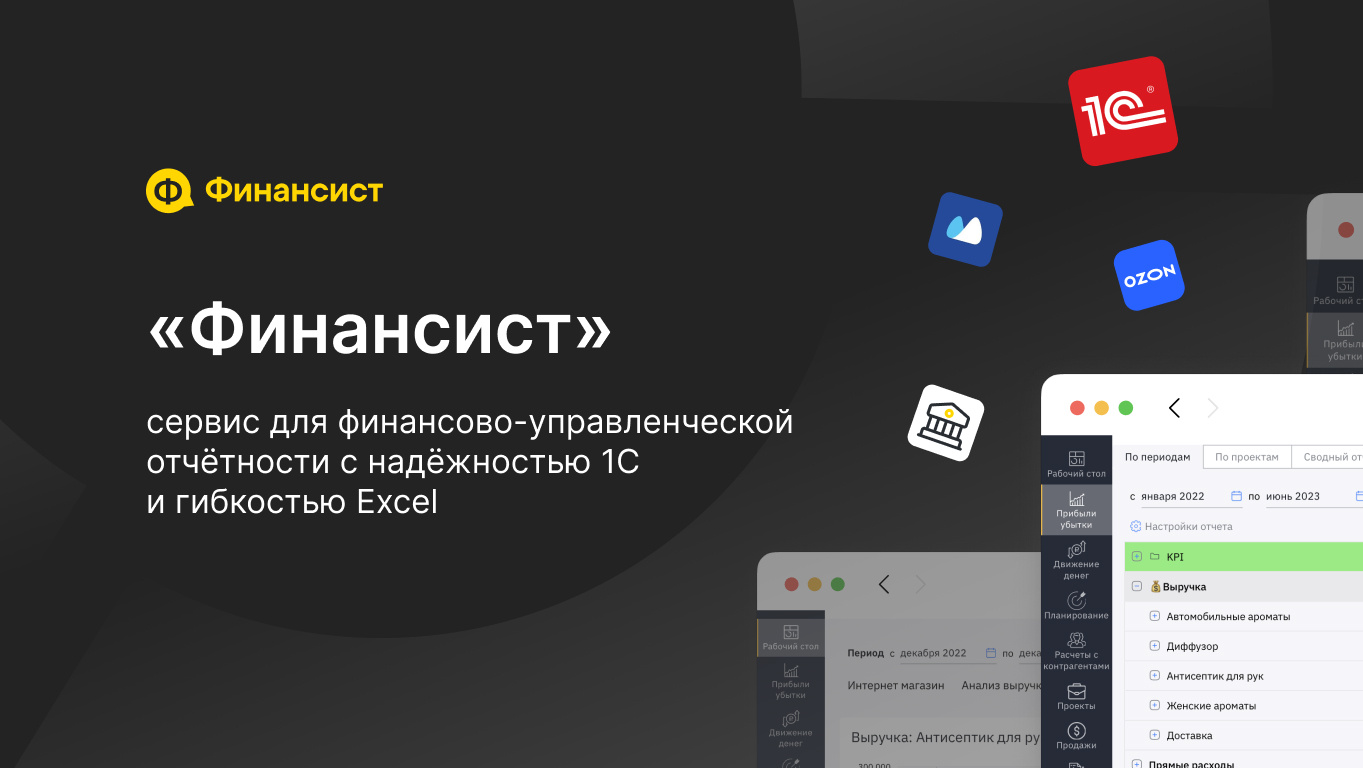
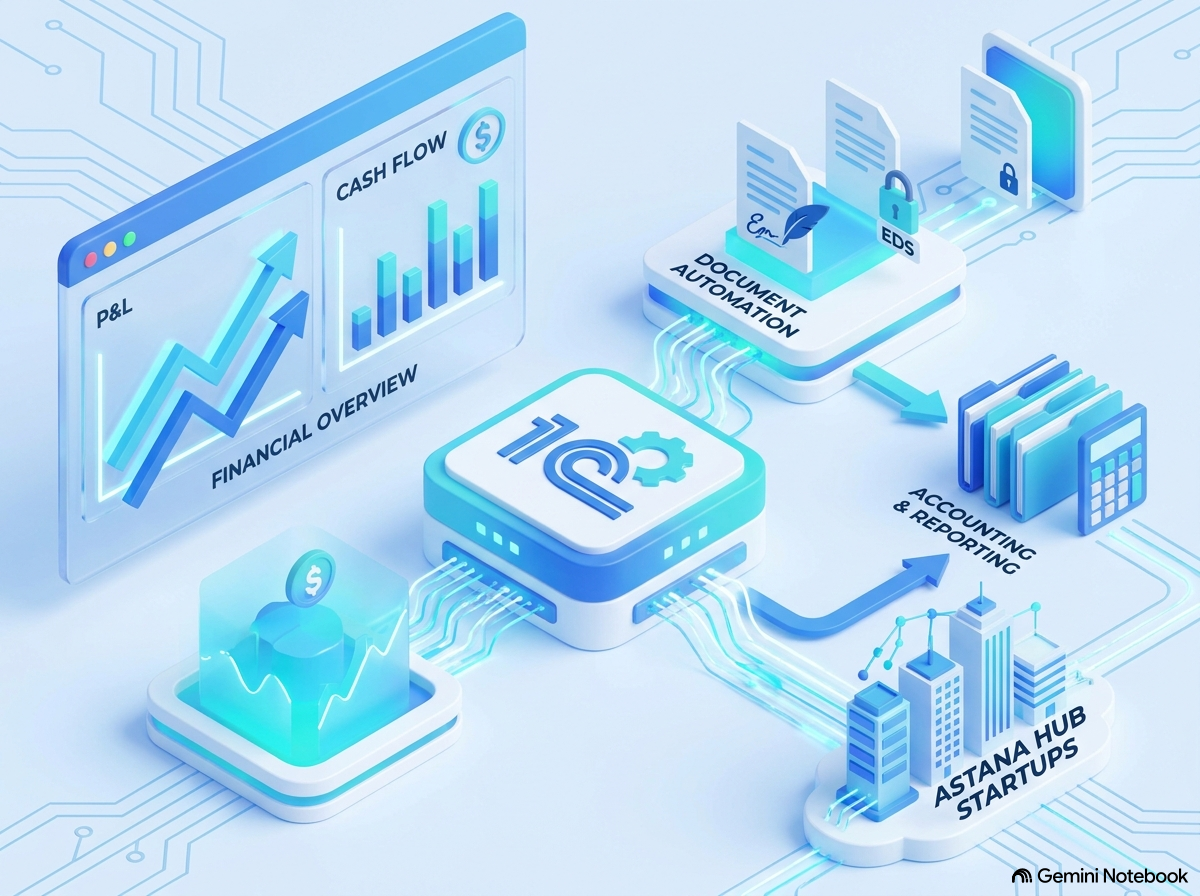
• 1C:Accounting for Kazakhstan / 1C:ERP: The basic standard for most LLP companies. Allows you to set up separate accounting of ICT income under Article 738 of the Tax Code of the Republic of Kazakhstan, automatically generates registers for TNF 100.00/300.00 and is directly integrated with the ESF IC. • Management Accounting service "Financier": A ready-made solution for management accounting. The service integrates with 1C in 5 minutes, automatically builds management reports (P&L, Cash Flow, Balance), prevents cash gaps and increases the profitability of the IT business. • Cloud Accounting (Accounting Accounting, Online accounting of banks): Optimal at an early stage of a startup (up to 10-15 employees), when the volume of operations is small. CRM and Billing modules (Bitrix24, amoCRM, Stripe, PayBox): For IT companies that sell software using the SaaS model, they automate subscription accounting, invoicing, and integration with payment agents.
4. Comparative table of services and their functionality
| Service category | Examples of solutions | Basic functionality | Value for Astana Hub |
| State EDO & Taxes | IS ESF, ESTD (Enbek), e-Otinish | Invoices, EAWR, CHT, accounting of personnel, etc. | It is necessary for the legitimacy of transactions and confirmation Foreign economic activity |
| Commercial EDO | Documentolog, EDI Accounting, Trusted | Signing of agreements and acts with clients/freelancers of EDS | Speeding up work with GPH contractors and clients |
| Accounting | 1C:Accounting 8.3, 1C:ERP, SAP | Separate tax accounting, tax calculation, TNF 100.00/300.00 | Guarantee of compliance with art. 738 of the Tax Code of the Republic of Kazakhstan and Rule 90% ICT income |
| Management accounting | "Financier", Finmap, PlanFact | Fast 5-minute integration with 1C, auto-building of P&L, Cash Flow, Balance, profitability accounting | Transparent control of the profitability of products, projects and costs |
| CRM & Billing | Bitrix24, amoCRM, Stripe, PayBox | Accounting for subscriptions, integration with acquiring and payment agents | Transparency of revenue generation from IT products |
5. Checklist for the selection and implementation of stack technologies
• Step 1: Integration of the ESF IP. Set up direct sending of EAVs and EFS from the account program (1C) using the company's EDS keys. • Step 2: Setting up separate accounting. Check it out, that ICT income is recorded in separate subaccounts and accounts for ≥ 90% of the total SRS. • Step 3: Implementation of HR EDI. Automate the registration of all contracts with employees and freelancers (GPH) in the ESTD system. • Step 4: Connect management accounting. Set up the integration of the "Financier" service with 1C in 5 minutes to accurately analyze margins and prevent cash gaps. • Step 5: Registration of the offer and the website. Specify the details of the LLP (Copyright Holder) and the payment agent in the details on the website, and also link the billing to the accounting system.
Conclusion
End -to-end automation reduces the routine burden on the accountant by up to 70%, eliminates errors due to the human factor when issuing the primary and gives 100% confidence in the audits of Astana Hub and CGD of the Ministry of Finance of the Republic of Kazakhstan.
Практический обзор IT-инструментов, организации раздельного учета и цифрового управления бизнесом
Масштабирование технологического бизнеса неизбежно сопровождается кратным ростом объема первичных документов, договоров, актов и кадровых записей. Для резидентов инновационного кластера цифровизация управленческих процедур — это не только способ экономии времени, но и фундамент защиты права на налоговые преференции (нулевые ставки по подоходному налогу и налогу на добавленную стоимость).
| 📌 Ключевые условия налоговой безопасности резидентов: 1. Норматив профильной выручки: Не менее 90% совокупного годового дохода должны формироваться от приоритетных видов деятельности в области ИКТ (ст. 17 НК РК). 2. Собственная разработка: Освобождение от КПН по продуктам применяется исключительно при наличии исключительных имущественных прав на ПО у компании (ст. 740 НК РК). 3. Раздельный учет: Доходы и расходы от льготируемых операций подлежат строгому обособлению от неквалифицированных поступлений (курсовые разницы, проценты по депозитам, субаренда). 4. Финансовая прозрачность: Наличие сквозной управленческой отчетности (движение денежных средств, прибыли и убытки, балансовый учет) гарантирует готовность к контрольным мероприятиям. |
1. Цифровой документооборот: Кадровые и коммерческие процессы
В Казахстане экосистема электронного документооборота включает два основных направления: государственные обязательные системы и коммерческие сервисы для бизнеса.
Обязательные государственные ресурсы: • Национальная система выписки счетов-фактур: Используется для фиксации электронных актов выполненных работ (ЭАВР), счетов-фактур (ЭСФ) и сопроводительных накладных (СНТ) при B2B-сделках. • Единая система учета трудовых договоров (ЕСТД): В соответствии со ст. 23 Трудового кодекса РК, работодатели обязаны своевременно регистрировать все кадровые приказы и трудовые соглашения. • Платформа официальных обращений: Применяется для взаимодействия с налоговыми органами и госорганами при отработке извещений или направлении официальных запросов.
Коммерческие платформы документооборота: • Сервисы юридически значимого ЭДО: Позволяют подписывать договоры, акты и соглашения ГПХ с клиентами и фрилансерами с помощью ЭЦП без бумажных копий. • Программные кассовые аппараты: Автоматизируют фиксацию розничных платежей и выдачу чеков при работе B2C-сервисов и мобильных приложений.
2. Учетные системы и Управленческие финансы
Разделение бухгалтерского и управленческого учета является важнейшим фактором устойчивости IT-компании. Бухгалтерские учетные программы (такие как 1С или ERP-системы) обеспечивают ведение реестров квалифицированных ИКТ-доходов по ст. 738 НК РК и автозаполнение налоговых форм 100.00 и 300.00. В свою очередь, специализированные сервисы управленческого учета (например, «Финансист») интегрируются с учетными программами за несколько минут и автоматически формируют ключевые отчеты: Движение денежных средств (Cash Flow), Отчет о прибылях и убытках (P&L) и Управленческий баланс. Это позволяет контролировать рентабельность отдельных проектов, предупреждать кассовые разрывы и отслеживать доходность продуктов по подписочной модели (SaaS).
3. Сравнительный обзор категорий IT-инструментов
| Категория решений | Примеры экосистем | Ключевая функция | Значение для резидентов |
| Государственный ЭДО | Порталы ЭСФ, ЕСТД, e-Otinish | Электронные акты, ЭСФ, регистрация кадровых договоров | Обязательно для легитимности сделок и подтверждения ВЭД |
| Коммерческий ЭДО | Documentolog, Учёт ЭДО, Trusted | Подписание соглашений с клиентами и подрядчиками ЭЦП | Ускорение документооборота и удаленное подписание актов |
| Регламентированный учет | 1С:Бухгалтерия, ERP, SAP | Раздельный налоговый учет, расчет налогов, ФНО 100/300 | Гарантия соблюдения ст. 738 НК РК и нормы 90% ИКТ-дохода |
| Управленческий учет | «Финансист», Finmap, ПланФакт | Авто-сбор отчетов P&L, Cash Flow, Баланса, анализ маржи | Контроль прибыльности продуктов, проектов и ликвидация рисков |
| CRM и Биллинг | Bitrix24, amoCRM, Stripe, PayBox | Учет подписок, интеграция с эквайрингом и агентами | Прозрачность формирования выручки от IT-продуктов |
4. Пошаговый план внедрения цифрового стека
• Шаг 1: Интеграция с государственными системами. Настройте автоматическую выписку ЭАВР и ЭСФ из учетной программы с использованием ЭЦП компании. • Шаг 2: Настройка раздельного учета. Зафиксируйте квалифицированные ИКТ-поступления на отдельных субсчетах для контроля порога в 90% СГД. • Шаг 3: Автоматизация кадровых записей. Обеспечьте регистрацию договоров со штатом и фрилансерами (ГПХ) на кадровых порталах. • Шаг 4: Подключение управленческой аналитики. Настройте интеграцию сервиса «Финансист» с учетной программой для оперативного анализа маржинальности и бюджетирования. • Шаг 5: Оформление сайта и оферты. Укажите в реквизитах данные ТОО как правообладателя и свяжите биллинг с учетной программой.
Заключение
Сквозная автоматизация снижает рутинную нагрузку на бухгалтерию до 70%, устраняет ошибки при выписке первичных документов и обеспечивает полную готовность компании к любым плановым или камеральным проверкам органов государственного дохода.
 Share