


The post has been translated automatically. Original language: Russian




The volume of non-cash payments in Kazakhstan continues to grow, and the B2B segment is actively transferring settlements, online sales registers and acquiring to digital platforms. As the transaction load on Kazakhstani fintech services increases, the activity of cybercriminals is also growing. According to market monitoring data, the key threats to the local infrastructure remain the compromise of integration APIs, DDoS attacks on payment gateways and the risks of leakage of banking details.
The growth of cyber threats is changing the approach of the regulator and market participants to ensuring information security. In the context of stricter requirements for the protection of sensitive data, Kazakhstani financial platforms are forced to switch from one-time inspections to continuous security monitoring.
Technical protection stack
- API security involves the use of the OAuth 2.0 protocol, mTLS mutual authentication, and traffic filtering via the Web Application Firewall (WAF) to prevent unauthorized access to payment gateways.
- Data standards include the use of hardware HSM modules, end-to-end encryption, and full compliance with international PCI DSS regulations for processing and storing banking details.
- Network stability is ensured by automatic filtering of abnormal traffic at the L3/L4 and L7 levels to avoid downtime of services during peak loads.
- Development control is based on the implementation of DevSecOps practices with automatic source code analysis (SAST/DAST) before its release into a productive environment.
A practical case
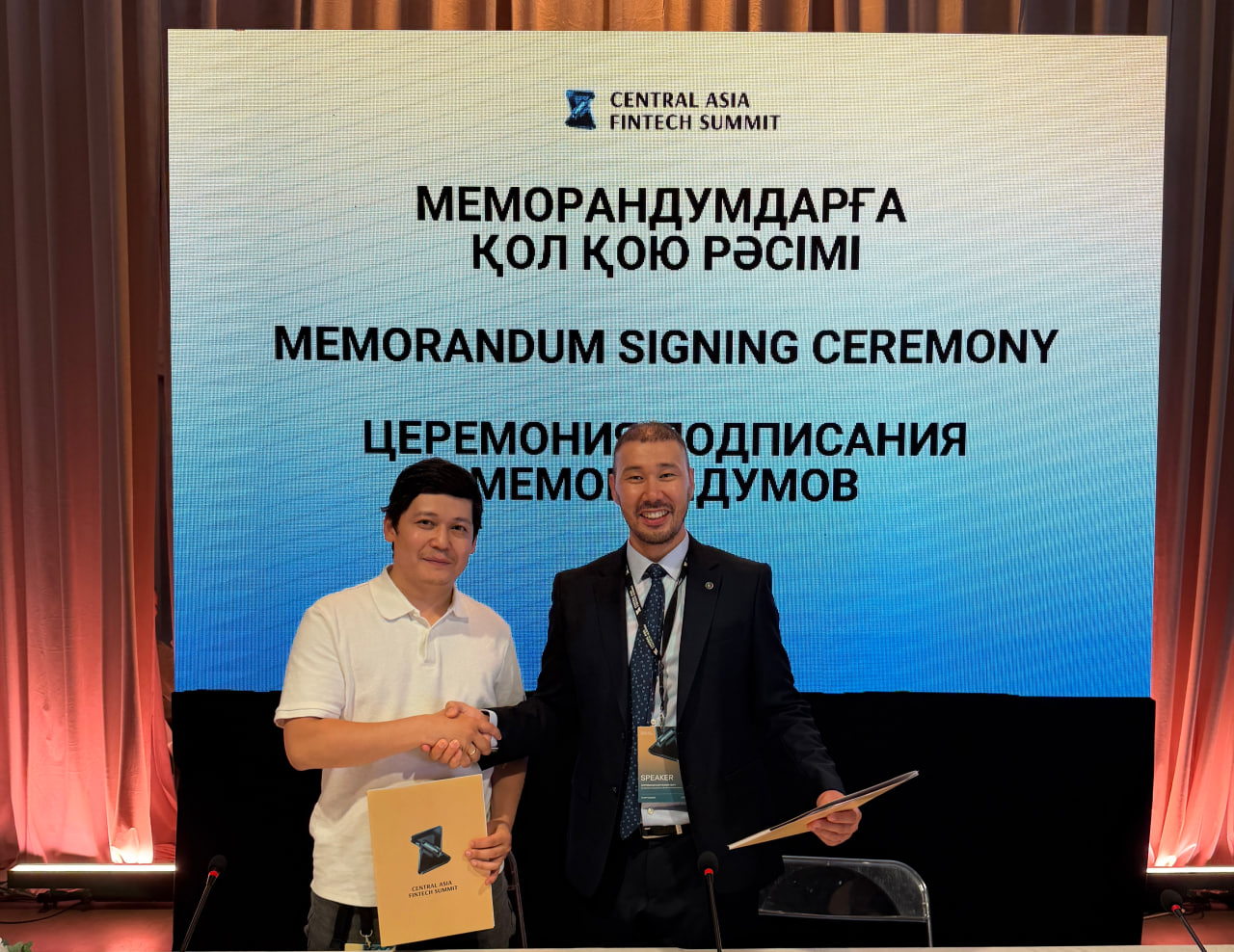
On the sidelines of the Central Asia Fintech Summit, the Bukhta fintech company and the Center for Analysis and Investigation of Cyber Attacks (TSARKA) recorded the transition to a continuous security audit model. As part of this process, TSARKA specialists will conduct a comprehensive pentesting of the Bay's infrastructure and connect the platform's services to the Incident Monitoring Center (SOC) to identify architectural risks at an early stage.
Объем безналичных платежей в Казахстане продолжает расти, а B2B-сегмент активно переводит расчеты, онлайн-кассы и эквайринг в цифровые платформы. С увеличением транзакционной нагрузки на казахстанские финтех-сервисы растет и активность киберпреступников. По данным мониторинга рынка, ключевыми угрозами для местной инфраструктуры остаются компрометация интеграционных API, DDoS-атаки на платежные шлюзы и риски утечки реквизитов.
Рост киберугроз меняет подход регулятора и участников рынка к обеспечению информационной безопасности (ИБ). В условиях ужесточения требований к защите чувствительных данных казахстанские финансовые платформы вынуждены переходить от разовых проверок к непрерывному контролю защищенности.
Технический стек защиты
- Безопасность API предусматривает использование протокола OAuth 2.0, взаимную аутентификацию mTLS и фильтрацию трафика через Web Application Firewall (WAF) для предотвращения несанкционированного доступа к платежным шлюзам.
- Стандарты данных включают применение аппаратных HSM-модулей, сквозное шифрование и полное соответствие международным регламентам PCI DSS при обработке и хранении реквизитов.
- Сетевая устойчивость обеспечивается автоматической фильтрацией аномального трафика на уровнях L3/L4 и L7 для исключения простоя сервисов в пиковые нагрузки.
- Контроль разработки строится на внедрении практик DevSecOps с автоматическим анализом исходного кода (SAST/DAST) до его релиза в продуктивную среду.
Практический кейс
На полях Central Asia Fintech Summit финтех-компания Бухта и Центр анализа и расследования кибератак (TSARKA) зафиксировали переход на модель непрерывного аудита безопасности. В рамках этого процесса специалисты TSARKA проведут комплексный пентестинг инфраструктуры Бухты и подключат сервисы платформы к центру мониторинга инцидентов (SOC) для выявления архитектурных рисков на ранних этапах.

 Share





