
The post has been translated automatically. Original language: Russian





Last fall, the Internet reminded us twice in ten days that the "cloud" is actually an ordinary building with servers. First, on October 20, 2025, one AWS region in Northern Virginia failed, and more than a hundred services around the world began to fail at once: delivery, banking, and flight check—in. Less than nine days later, the same thing happened at Microsoft Azure: Teams, Outlook, Xbox, and check-in desks of entire airlines stopped working. The reason in both cases was not hackers or a fire, but one erroneous setup that cascaded everything else down.
The conclusion from this is simple. A single data center is always a single point of failure, even if it is top—notch equipped with backup power and cooling. No uninterruptible power supply can protect you from a configuration error or a malfunction that covers the entire region. Engineers can build exceptionally reliable facilities, but absolute reliability does not exist, and sooner or later it makes itself felt.
Therefore, serious projects do not rely on one site, but distribute the load across several data centers at once. They start by duplicating the equipment within the same hall, then they distribute it to different buildings in the city — these are called accessibility zones — and at the most responsible level they distribute it to different cities and countries so that no local accident can affect both sites at the same time.
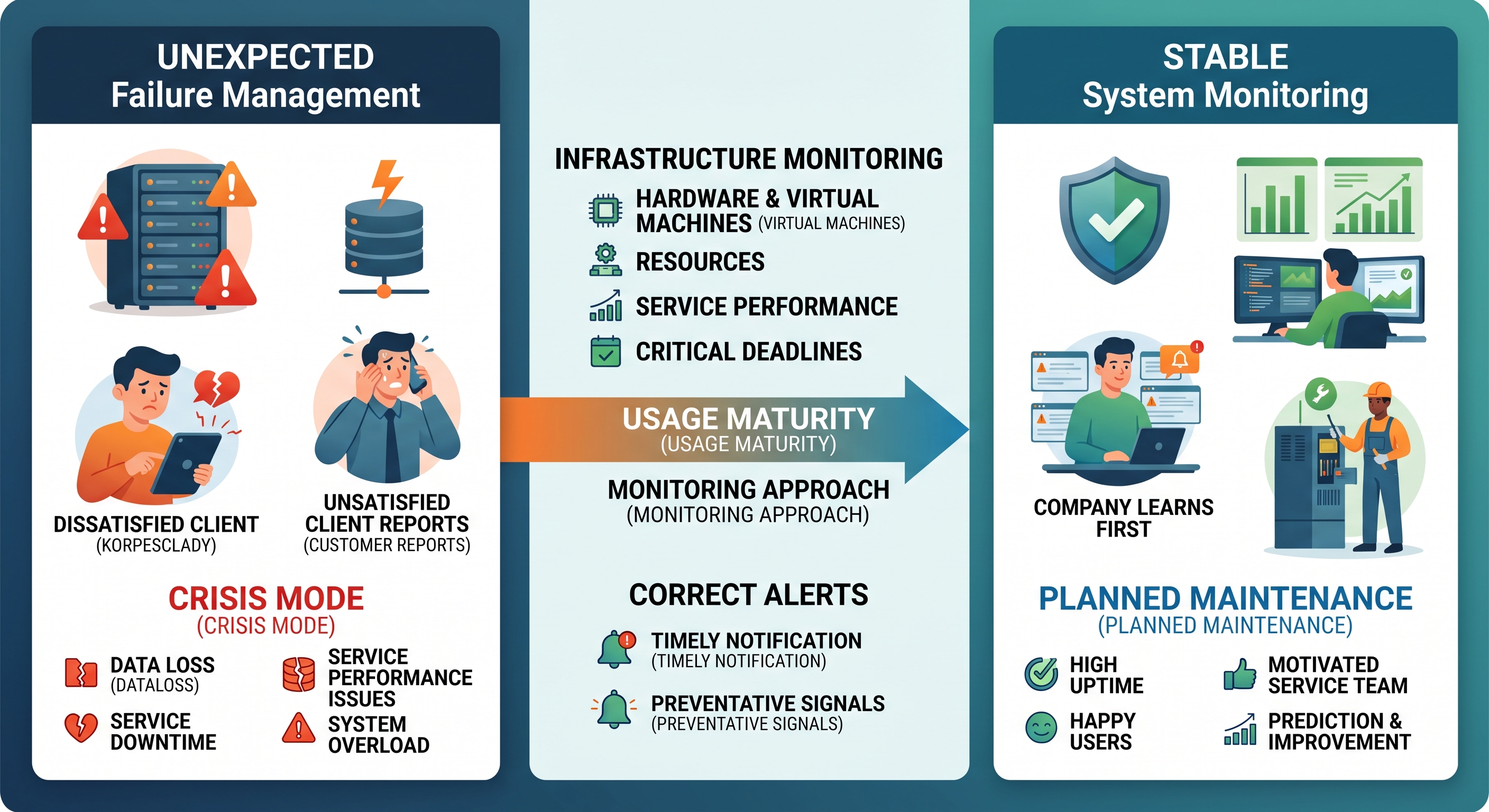
The next question is how to link these platforms. The first approach: the main one is working, and the second one is in hot standby and picks up the load if the first one fails. It's cheaper, but switching takes time, and it needs to be worked out regularly. A reserve that has never been tested under load is not a reserve, but just a hope. The second approach: both sites work simultaneously and share traffic, so that the fall of one passes almost unnoticeably. More reliable, but also noticeably more expensive.
And there is another non-obvious point that is usually reached through experience. A reserve that shares a common relationship with the main site is no longer a reserve. This is exactly what many people faced last fall: the servers were located in different regions, but they relied on the same provider's management system — once it failed, geography did not help. It can be simpler: two platforms from one substation or two channels from one operator. On paper, it's a reserve, but in fact it's a common weak point that pulls both together.
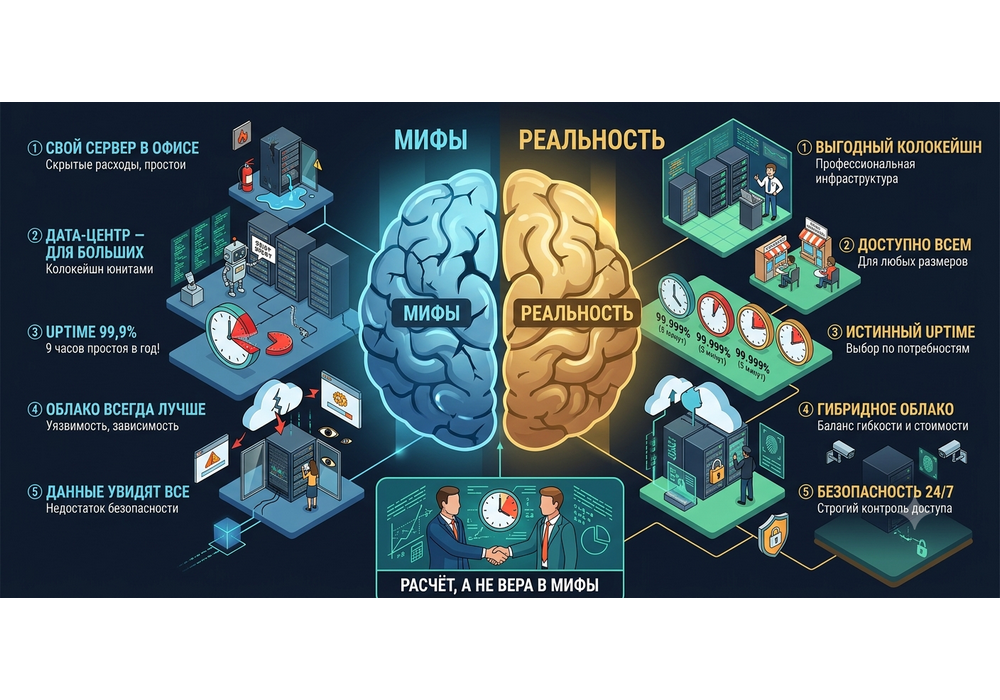
In general, geo—distribution is not about reinsurance and not about the number of sites for the sake of solidity, but about a sound calculation: understand how much an hour of downtime costs, and invest in independence exactly as much as it is justified. True fault tolerance is based on two simple things: the sites should not have a common point of failure, and switching between them should be checked in advance, in a calm environment, and not in the midst of an accident.
The good news is that all this is not so much a matter of budget as of thoughtful architecture. And it is quite possible to build it, if you think about it in advance.
And how has this issue been resolved with you — do you keep the project on one site or are you already looking at a backup one?
Любой, кто управлял общим каналом поддержки, сталкивался с этой проблемой. Сообщения идут потоком: кто-то здоровается, кто-то делится ссылкой, двое участников что-то обсуждают между собой — а где-то в середине этой ленты человек третий раз пишет «у меня не работает, помогите», и его вопрос тонет. Специалист физически не может читать всё подряд, и в итоге громкие пустяки получают внимание, а тихая реальная проблема остаётся без ответа.
Первое, что приходит в голову — поставить чат-бота, который отвечает всем. Но это лечит симптом, а не болезнь. Если у поддержки нет фильтра «важное против фонового шума», бот просто добавит в чат ещё один голос. Настоящая ценность ИИ здесь не в том, чтобы говорить больше, а в том, чтобы правильно понимать, кому нужна помощь прямо сейчас.
А отличить одно от другого он вполне способен. Языковая модель улавливает не ключевые слова, а смысл и тон сообщения. «Спасибо, всё получилось» и «спасибо, но всё равно не заходит» для простого поиска по слову «спасибо» одинаковы — для ИИ это противоположные ситуации. Он видит разницу между обсуждением между участниками и прямым обращением, между праздным вопросом и растущим раздражением человека, которому не отвечают уже полчаса.
Как это работает на практике. ИИ читает поток и молча классифицирует каждое сообщение: болтовня, вопрос по теме, срочная проблема. Когда он видит реальное обращение, на которое никто не отреагировал, он не пытается ответить сам вместо специалиста — он подсвечивает это сообщение и пушит нужного человека: «вот здесь ждут ответа». Плюс сразу закрывает типовое — где взять доступ, почему висит статус, куда нажать, — снимая с людей рутину.
Важный принцип: ИИ здесь не заменяет поддержку, а расставляет приоритеты. Финальное решение и живой ответ остаются за человеком — просто теперь он тратит внимание на то, что действительно важно, а не вылавливает крик о помощи вручную из сотен сообщений.
Красота в том, что всё это собирается из инструментов, которые уже под рукой у любой команды: чат, к которому подключена языковая модель, и простая логика эскалации. Не требуется ни огромный бюджет, ни отдельный отдел — нужен только правильный взгляд на задачу.
Поддержка ломается не там, где мало людей, а там, где важное теряется в потоке неважного. И это ровно та задача, с которой ИИ справляется лучше всего.

 Share