
The post has been translated automatically. Original language: Russian





Imagine that an event occurred in the world of medicine comparable to the invention of printing. The Anthropic AI lab has proven that neural networks are capable of designing the most complex building blocks of life on an ordinary computer.
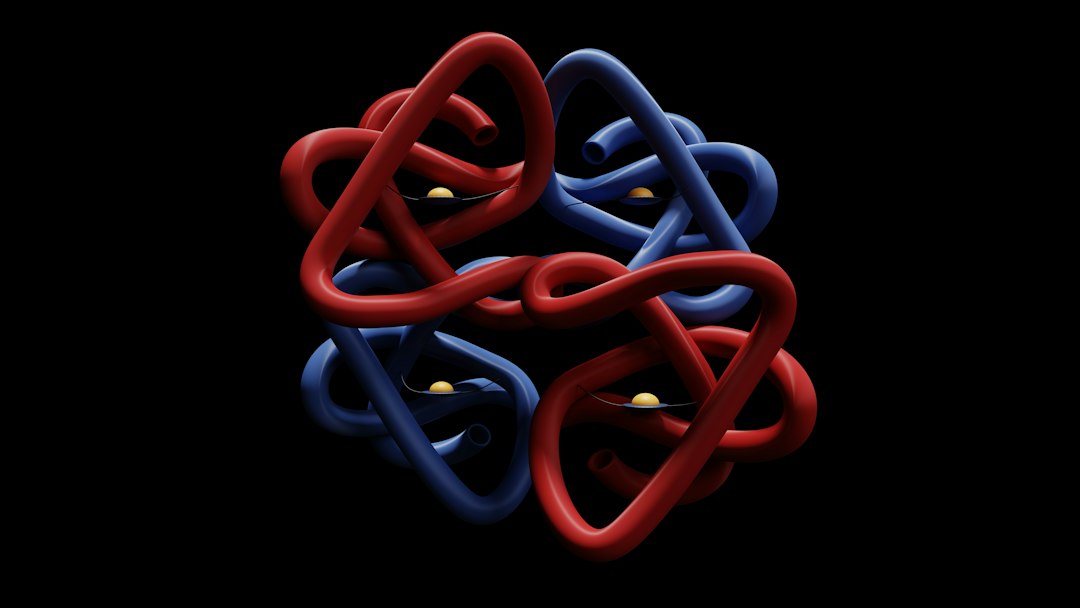
It's about protein design. And no, it's not about furry animals from the forest or sports nutrition. In biology, proteins are microscopic "robots" and the main building blocks inside our body. All new generation medicines (for cancer, diabetes or viruses) are special proteins. They must curl up into a complex 3D shape in order to approach the disease and neutralize it like the perfect key to the lock.
Previously, it took scientists months of work and about $10,000 on supercomputers to calculate the blueprint for just one such molecule. The Claude neural network did this in just a day and on a single chip.
Figure of the day: ~$150 instead of ~$10,000 for one target. This is a hundredfold reduction in the cost of science.
But where's the catch? It's too early to celebrate a complete victory over diseases, and here's why:
- A computer is not life. The AI produced a perfect drawing on the screen. But a virtual simulation does not guarantee that a molecule will behave the same way in a living organism. The physical world is always more complicated than the digital one.
- Laboratory congestion. To test the AI's hunch, the molecule needs to be physically synthesized in a "wet" laboratory, grown in a test tube and tested on cells. And this stage is still a bottleneck, a long and expensive part of biology.
- Tight control. The ability to create new proteins is not only a medicine, but also a potential biological weapon. Therefore, Anthropic strictly controls access to this technology without making it publicly available.
To prove that Claude's drawings really work, Anthropic has teamed up with the Adaptyv Bio robotic laboratory. They have launched a $2 million competition and are synthesizing more than 5,000 protein designs created by independent scientists for free in reality. Only then will we learn the true power of AI medicine.
Представьте, что в мире медицины произошло событие, сопоставимое с изобретением книгопечатания. ИИ-лаборатория Anthropic доказала, что нейросети способны проектировать сложнейшие кирпичики жизни на обычном компьютере.
Речь идет о дизайне белков. И нет, это не про пушистых зверьков из леса и не про спортивное питание. В биологии белки — это микроскопические «роботы» и главные строительные блоки внутри нашего организма. Все лекарства нового поколения (от рака, диабета или вирусов) — это особые белки. Они должны свернуться в сложнейшую 3D-форму, чтобы, как идеальный ключ к замку, подойти к болезни и обезвредить её.
Раньше, чтобы рассчитать чертеж всего одной такой молекулы, ученым требовались месяцы работы и около $10 000 на суперкомпьютерах. Нейросеть Claude сделала это всего за сутки и на одном чипе.
Цифра дня: ~$150 вместо ~$10 000 за одну мишень. Это стократное удешевление науки.
Но где же подвох? Пока радоваться полной победе над болезнями рано, и вот почему:
- Компьютер — не жизнь. ИИ выдал идеальный чертеж на экране. Но виртуальная симуляция не гарантирует, что молекула поведет себя так же в живом организме. Физический мир всегда сложнее цифрового.
- Лабораторный затор. Чтобы проверить догадку ИИ, молекулу нужно физически синтезировать в «мокрой» лаборатории, вырастить в пробирке и протестировать на клетках. И этот этап по-прежнему остается узким, долгим и дорогим местом биологии.
- Жесткий контроль. Возможность создавать новые белки — это не только лекарства, но и потенциальное биологическое оружие. Поэтому Anthropic строго контролирует доступ к этой технологии, не выпуская её в открытый доступ.
Чтобы доказать, что чертежи Claude действительно работают, Anthropic объединилась с роботизированной лабораторией Adaptyv Bio. Они запустили конкурс на $2 млн и бесплатно синтезируют в реальности более 5000 белковых дизайнов, придуманных независимыми учеными. Только после этого мы узнаем истинную силу ИИ-медицины.

 Share