
The post has been translated automatically. Original language: Russian





Data centers used to be the most boring place on the planet. Huge gray boxes somewhere outside the city that no one thought about while Gmail was running.
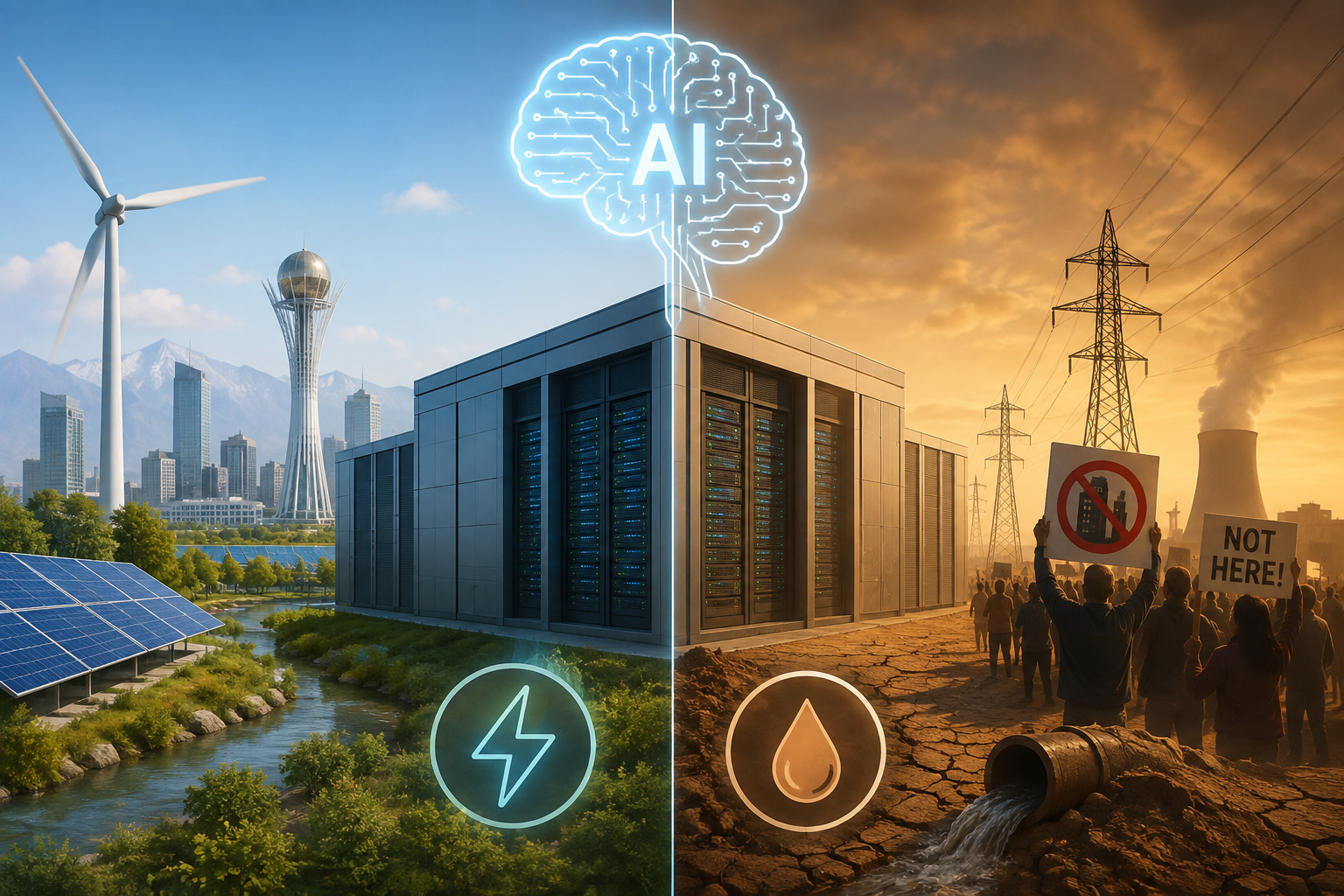
But the other day, The Economist published a powerful analysis: the AI boom has turned data centers into the main topic of political wars in America.
Tech giants like Microsoft, Google, and Meta are building giant "data factories" to train neural networks, and locals are rallying against them.
Why did quiet server rooms suddenly piss everyone off?
- Energy starvation: One modern AI data center consumes electricity like an entire city. As a result, the local network is not coping, and the bills for light from ordinary residents are jumping.
- Fighting for water: Cooling systems burn millions of liters of water every day. In the dry states, it turns into a war for the survival of farmers.
- "The land was taken away, but where is the job?" Construction creates a hype, but after launch, an object the size of three hypermarkets is serviced by... only 15-20 engineers. The district's revenue has been depleted, and resources have been drained.
- Political split: Elections are coming up, and candidates are already building careers on promises to "block the construction of this AI monster in our district."
What does this have to do with us and Kazakhstan?
Kazakhstan is now actively developing the status of a regional IT hub, launching its own AI models and attracting data centers. But the American experience shows us a fat framework for the future.:
- Infrastructure is not just a "bought server": If you are building a B2B product based on AI, your main risk in the future is not a bug in the code, but the availability and price of local energy.
- The hidden cost of OpEx: The load on the power grid and environmental standards will force hosters to raise prices. Anyone who doesn't put the risk of expensive infrastructure into the Unit economy now will see a cash gap tomorrow.
- Service culture and ESG: Providers will have to learn how to broadcast transparency. If the hoster cannot properly explain the reason for the failure or hide the cost of resources, the business will simply move the data to other regions.
Hardware is no longer just a technical issue - it is now politics, economics, and the main point of risk for any scalable product.
Do you think Central Asia will face a shortage of energy resources due to the growth of AI loads, or is it the opposite for our region to become the main gigawatt hub?
Раньше дата-центры были самым скучным местом на планете. Огромные серые коробки где-то за городом, о которых никто не думал, пока работает Gmail.
Но на днях в The Economist вышел мощный разбор: AI-бум превратил ЦОДы в главную тему политических войн в Америке.
Техногиганты вроде Microsoft, Google и Meta строят гигантские «заводы данных» для обучения нейросетей, и местные жители выходят на митинги против них.
Почему тихие серверные вдруг всех взбесили?
- Энергетический голод: Один современный AI-дата-центр жрет электричество как целый город. В итоге местная сеть не справляется, а счета за свет у обычных жителей подпрыгивают.
- Борьба за воду: Системы охлаждения ежедневно сжигают миллионы литров воды. В сухих штатах это превращается в войну за выживание фермеров.
- «Землю забрали, а где работа?» Строительство создает хайп, но после запуска объект размером с три гипермаркета обслуживают… всего 15–20 инженеров. Доходов району кот наплакал, а ресурсы выкачаны.
- Политический раскол: На носу выборы, и кандидаты уже строят карьеры на обещаниях «заблокировать стройку этого AI-монстра в нашем округе».
При чем тут мы и Казахстан?
Казахстан сейчас активно качает статус регионального IT-хаба, запускает собственные AI-модели и привлекает дата-центры. Но американский опыт показывает нам жирный фреймворк на будущее:
- Инфраструктура - это не просто «купил сервер»: Если вы строите B2B-продукт на ИИ, ваш главный риск в будущем - не баг в коде, а доступность и цена локальной энергии.
- Скрытая стоимость OpEx: Нагрузка на энергосеть и экологические стандарты заставят хостеров поднимать цены. Тот, кто не закладывает риск дорожающей инфраструктуры в Unit-экономику сейчас, завтра словит кассовый разрыв.
- Культура сервиса и ESG: Провайдерам придется учиться транслировать прозрачность. Если хостер не может нормально объяснить причину сбоя или скрыть расходы ресурсов, бизнес просто унесет данные в другие регионы.
Железо перестало быть просто техническим вопросом - теперь это политика, экономика и главная точка риска для любого масштабируемого продукта.
Как думаете, столкнется ли Центральная Азия с дефицитом энергоресурсов из-за роста AI-нагрузок, или для нашего региона это наоборот шансы стать главным гигаваттным хабом?

 Share