
The post has been translated automatically. Original language: Russian





Usually, a competitive strategy is discussed through advantages.
Who has the best product.Who has a lower price.Who has a stronger brand.
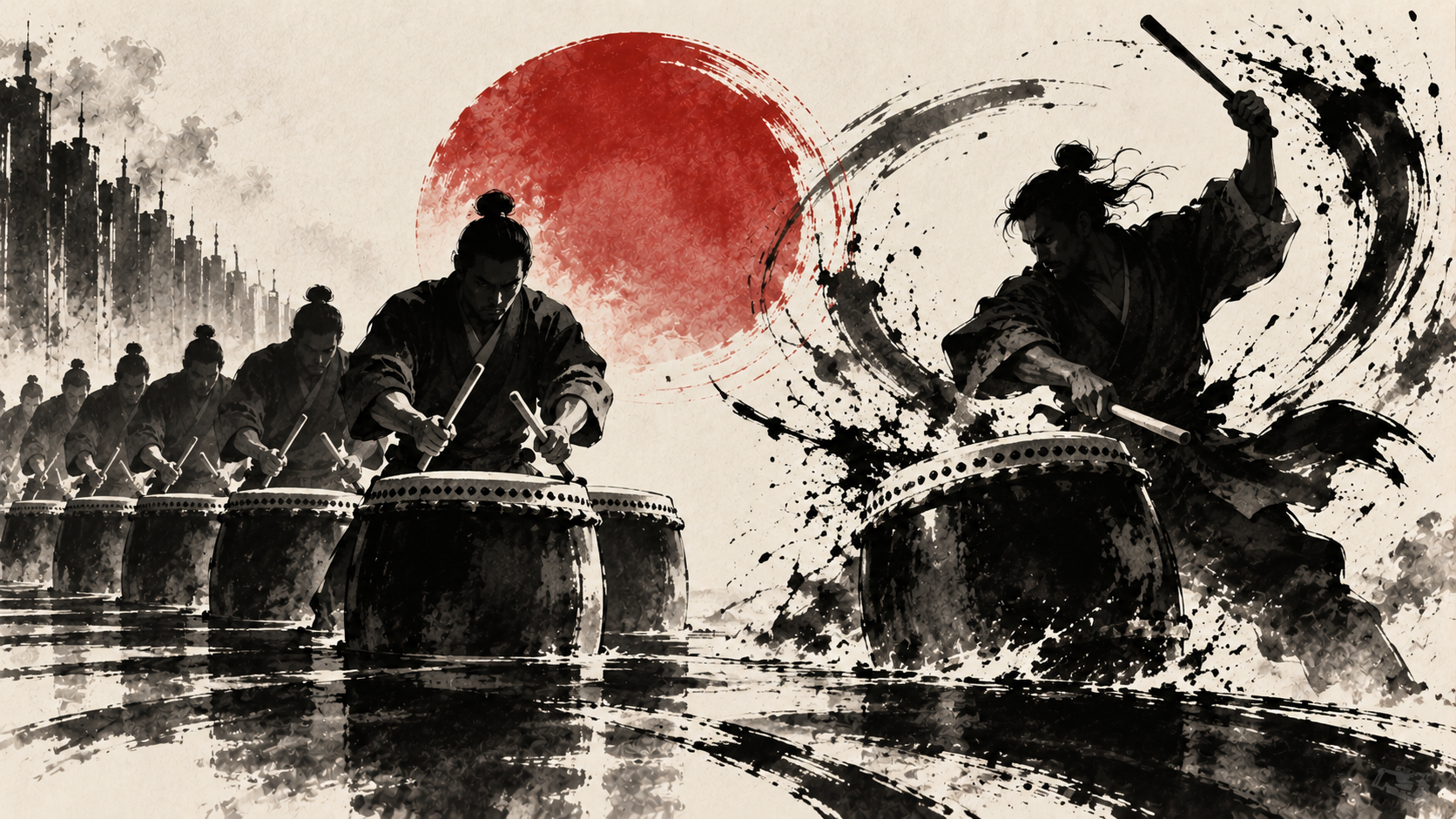
But Miyamoto Musashi has a more interesting idea.:
you can win not only by force, but also by breaking the opponent's rhythm.
This translates very well to business.
The competitor is almost always used to something.
Every company has a familiar way of working.
She's used to selling through managers.
I'm used to signing annual contracts.
I'm used to implementing a product for two months.
I'm used to taking large checks.
I'm used to working only with big clients.
Over time, this method becomes almost a rule.
This is where the opportunity comes in.
You don't have to be stronger.
Let's imagine a large enterprise software vendor.
He has a strong brand, a large team, dozens of clients and a serious budget.
Defeating him directly is difficult.
But his whole business is built around a multi-million dollar deal and a long implementation period.
A small competitor does it differently:
Try the product yourself in five minutes.
A large company has more resources.
But the small company changed the buying rhythm.
Now the client does not need to talk to the seller first, coordinate the budget and launch the project.
He just starts using it.
A big competitor has to play an unusual game.
Sometimes the price is also a rhythm.
Let's say the entire market sells projects for $20,000.
A company appears with a subscription of $50 per month.
At first glance, it's just a different price.
But in fact, much more has changed.
For a $20,000 purchase, the customer needs one decision-making process.
For $50— it's different.
Some of the approvals disappear.
The risk is changing.
The speed of testing is changing.
The very moment when the client is able to say "yes" is changing.
That is, the company has changed not only the price.
She changed the rhythm of the deal.
The same thing happens with the implementation
If the market has become accustomed to the implementation in three months, the offer:
Start today
it may be stronger than a dozen new features.
Why?
Because the competitor optimized the business to the old rhythm.
He has project managers, consultants, training, integrators and a long sales cycle.
To respond to the new pace, it is not enough for him to add a button to the site.
A significant part of the system needs to be changed.
This is the advantage of small companies.
A big company is stronger in the stable game.
She has more people, money, clients, and reputation.
But all these advantages create inertia at the same time.
A small company can change the rhythm faster.
Today, sell through a manager.
Tomorrow — directly through the product.
Today I take an annual payment.
Tomorrow — monthly.
Implement it manually today.
Tomorrow — enable automatic onboarding.
This does not guarantee victory.
But it makes the big player react.
And those who are forced to react have already partially lost their initiative.
You can also change the rhythm in the opposite direction.
You don't always need to speed up the game.
Sometimes the advantage is created by slowing down.
For example, the market is chasing the number of features.
You say:
We release fewer changes, but each one goes through a formal review.
Everyone sells instant results.
You are building a product for cases where reliability, auditing, or predictability are more important.
Competitors compete in speed.
You are changing the criteria of the game.
This is also a rhythm disorder.
The most interesting competition doesn't happen within the rules.
If two companies sell the same product to the same audience, in the same way and at approximately the same price, a hard game begins.
Each one improves the functions.
Reduces the price.
Increases advertising.
Hires more salespeople.
It's like a chess game where both sides know the opening very well.
It is much more interesting to change the very nature of the position.
For example:
a competitor sells a project — you sell a product;
a competitor sells to a company — you start with an individual employee;
A competitor demands a demonstration — you give it a try right away.
Now it becomes more difficult to compare you directly.
Musashi is especially modern here
The idea is simple:
It is not always necessary to play in a rhythm that is convenient for the opponent.
If a competitor is used to long sales, shorten the cycle.
If he is used to large contracts, reduce the size of the first solution.
If he is used to controlling access to the product through sellers, open the product directly to the client.
If he is competing in speed, it may be worth betting on reliability.
Strategy doesn't always mean doing the same thing better.
Sometimes the best move is to force the market to play a different game.
And then the main question about the competitor doesn't sound like that.:
In what ways is he stronger than us?
And so:
What kind of rhythm is he used to — and what happens if this rhythm is changed?
Обычно конкурентную стратегию обсуждают через преимущества.
У кого продукт лучше.У кого цена ниже.У кого бренд сильнее.
Но у Миямото Мусаси есть более интересная идея:
победить можно не только силой, но и нарушением ритма противника.
Это очень хорошо переносится на бизнес.
Конкурент почти всегда к чему-то привык
У любой компании есть привычный способ работать.
Она привыкла продавать через менеджеров.
Привыкла заключать годовые контракты.
Привыкла внедрять продукт два месяца.
Привыкла брать крупные чеки.
Привыкла работать только с большими клиентами.
Со временем этот способ превращается почти в правило.
Именно здесь появляется возможность.
Не обязательно быть сильнее
Представим крупного поставщика корпоративного ПО.
У него сильный бренд, большая команда, десятки клиентов и серьёзный бюджет.
Побеждать его напрямую трудно.
Но весь его бизнес построен вокруг сделки на несколько миллионов и долгого внедрения.
Небольшой конкурент делает иначе:
Попробуйте продукт сами за пять минут.
У крупной компании больше ресурсов.
Но маленькая компания изменила ритм покупки.
Теперь клиенту не нужно сначала разговаривать с продавцом, согласовывать бюджет и запускать проект.
Он просто начинает пользоваться.
Большому конкуренту приходится играть в непривычную игру.
Иногда цена — тоже ритм
Допустим, весь рынок продаёт проекты по $20 000.
Появляется компания с подпиской $50 в месяц.
На первый взгляд это просто другая цена.
Но на самом деле изменилось гораздо больше.
Для покупки за $20 000 клиенту нужен один процесс принятия решения.
Для $50 — другой.
Исчезает часть согласований.
Меняется риск.
Меняется скорость тестирования.
Меняется сам момент, когда клиент способен сказать «да».
То есть компания изменила не только цену.
Она изменила ритм сделки.
То же происходит с внедрением
Если рынок привык к внедрению за три месяца, предложение:
Начните сегодня
может оказаться сильнее десятка новых функций.
Почему?
Потому что конкурент оптимизировал бизнес под старый ритм.
У него проектные менеджеры, консультанты, обучение, интеграторы и длинный цикл продаж.
Чтобы ответить на новый темп, ему недостаточно добавить кнопку на сайт.
Нужно менять значительную часть системы.
В этом преимущество маленьких компаний
Большая компания сильнее в стабильной игре.
У неё больше людей, денег, клиентов и репутации.
Но все эти преимущества одновременно создают инерцию.
Маленькая компания может менять ритм быстрее.
Сегодня продавать через менеджера.
Завтра — напрямую через продукт.
Сегодня брать годовую оплату.
Завтра — помесячную.
Сегодня внедрять вручную.
Завтра — дать автоматический onboarding.
Это не гарантирует победу.
Но заставляет большого игрока реагировать.
А тот, кто вынужден реагировать, уже частично потерял инициативу.
Можно изменить ритм и в обратную сторону
Не всегда нужно ускорять игру.
Иногда преимущество создаётся замедлением.
Например, рынок гонится за количеством функций.
Вы говорите:
Мы выпускаем меньше изменений, но каждое проходит формальную проверку.
Все продают мгновенный результат.
Вы строите продукт для случаев, где важнее надёжность, аудит или предсказуемость.
Конкуренты соревнуются в скорости.
Вы меняете критерий игры.
Это тоже нарушение ритма.
Самая интересная конкуренция происходит не внутри правил
Если две компании продают один и тот же продукт одной аудитории, одинаковым способом и примерно по одинаковой цене, начинается тяжёлая игра.
Каждая улучшает функции.
Снижает цену.
Увеличивает рекламу.
Нанимает больше продавцов.
Это похоже на шахматную партию, где обе стороны очень хорошо знают дебют.
Гораздо интереснее изменить сам характер позиции.
Например:
конкурент продаёт проект — вы продаёте продукт;
конкурент продаёт компании — вы начинаете с отдельного сотрудника;
конкурент требует демонстрацию — вы даёте попробовать сразу.
Теперь сравнивать вас напрямую становится сложнее.
Мусаси здесь особенно современен
Идея проста:
не всегда нужно играть в ритме, который удобен противнику.
Если конкурент привык к длинным продажам — сократите цикл.
Если он привык к большим контрактам — уменьшите размер первого решения.
Если он привык контролировать доступ к продукту через продавцов — откройте продукт напрямую клиенту.
Если он соревнуется в скорости — возможно, стоит сделать ставку на надёжность.
Стратегия не всегда означает сделать то же самое лучше.
Иногда лучший ход — заставить рынок играть в другую игру.
И тогда главный вопрос о конкуренте звучит не так:
В чём он сильнее нас?
А так:
К какому ритму он привык — и что произойдёт, если этот ритм изменить?

 Share