
The post has been translated automatically. Original language: Russian




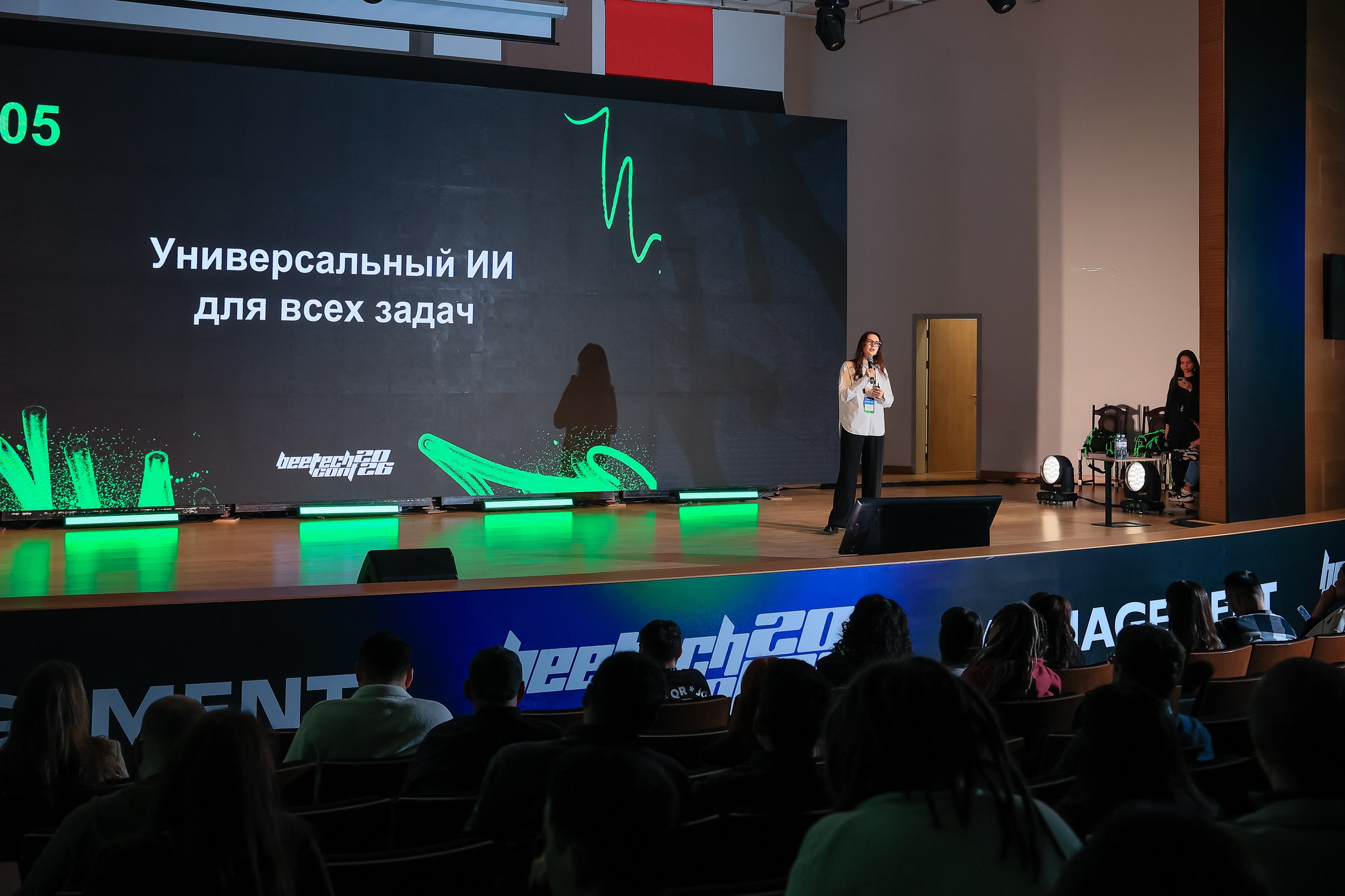
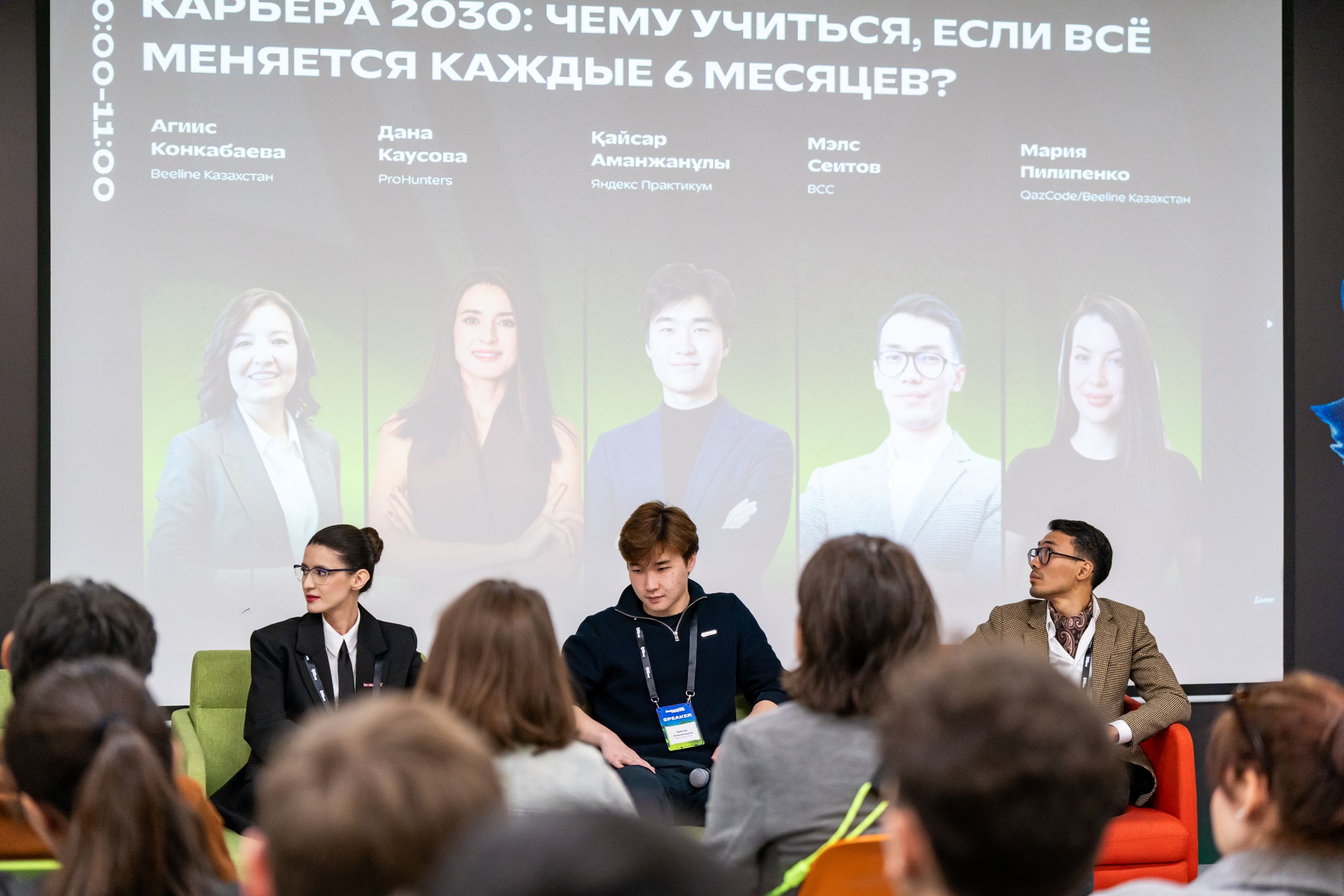
At beetech conf 2026, a separate apartment building was dedicated to this topic. The following participated in the discussion: Mels Seitov, CTO of Bank CenterCredit;Kaysar Amanzhanuly, B2B Partnership Acquisition Manager at Yandex Practicum;Dana Kausova, Head of Recruitment Hunters;Agiis Konkabayeva, Director of Change and IT at Beeline Kazakhstan;Maria Pilipenko, Head of IT Recruiting at QazCode/Beeline Kazakhstan.
Until recently, the career plan in IT looked relatively clear: to master a specialty, gain experience, grow to a senior, then to a supervisor or an expert. Today, tools and tasks are changing so fast that once mastered, a set of skills is no longer enough.
The first is to learn how to work with AI on real—world tasks. A useful skill does not start with a collection of suggestions, but with the ability to see a problem, assign a task to a tool, and verify the result. AI can quickly prepare a draft, help with analysis or prototype. Understanding the context and responsibility for the outcome remain with the specialist.
The second is to understand the task of the business and the user. A technically sound solution doesn't mean much if it doesn't meet a real need. The conversation with the client, the ability to formulate a problem and evaluate the effect of the work become valuable for the developer, analyst, designer and product manager.
The third is to show the results of your work. The title of the position or the list of completed courses tell less about a person than a specific case: what task they faced, what they proposed, and what changed after implementation. Therefore, it is useful to collect a portfolio of projects for those who do not plan to change jobs yet.
Finally, it's worth studying horizontally. Product knowledge helps the developer, technology understanding helps the recruitment specialist, and the ability to talk to the customer helps the analyst. These connections between areas allow you to notice tasks that are not visible within the same function.
By 2030, careers are unlikely to be the same sequence of steps for everyone. A more reliable strategy is to regularly review your skills, try new tools in practice, and understand how your work benefits people and businesses.
View the entire discussion: "Career 2030: What to learn if everything changes every 6 months?"
На beetech conf 2026 этой теме посвятили отдельный квартирник. В дискуссии участвовали: Мэлс Сеитов, CTO Bank CenterCredit; Кайсар Аманжанулы, B2B Partnership Acquisition Manager Яндекс Практикума; Дана Каусова, Head of Recruitment ProHunters; Агиис Конкабаева, директор по изменениям и IT Beeline Казахстан; Мария Пилипенко, руководитель IT-рекрутинга QazCode/Beeline Казахстан.
Ещё недавно карьерный план в IT выглядел относительно понятным: освоить специальность, накопить опыт, вырасти до senior, затем — до руководителя или эксперта. Сегодня инструменты и задачи меняются так быстро, что одного однажды освоенного набора навыков уже недостаточно.
Первое — учиться работать с AI на реальных задачах. Полезный навык начинается не с коллекции промптов, а с умения увидеть проблему, поставить задачу инструменту и проверить результат. AI может быстро подготовить черновик, помочь с анализом или прототипом. Понимание контекста и ответственность за итог остаются у специалиста.
Второе — разбираться в задаче бизнеса и пользователя. Технически безупречное решение мало значит, если оно не отвечает на реальную потребность. Разговор с клиентом, умение сформулировать проблему и оценить эффект работы становятся ценными для разработчика, аналитика, дизайнера и менеджера продукта.
Третье — показывать результаты своей работы. Название должности или перечень пройденных курсов рассказывают о человеке меньше, чем конкретный кейс: с какой задачей он столкнулся, что предложил и что изменилось после внедрения. Поэтому портфолио проектов полезно собирать и тем, кто пока не планирует менять работу.
Наконец, стоит учиться горизонтально. Разработчику помогает знание продукта, специалисту по подбору — понимание технологий, аналитику — умение разговаривать с заказчиком. Такие связи между областями позволяют замечать задачи, которые не видны в пределах одной функции.
Карьера к 2030 году едва ли будет одинаковой последовательностью ступеней для всех. Более надёжная стратегия — регулярно пересматривать свои навыки, пробовать новые инструменты на практике и понимать, какую пользу твоя работа приносит людям и бизнесу.
Посмотреть дискуссию целиком: «Карьера 2030: чему учиться, если всё меняется каждые 6 месяцев?»

 Share