

The post has been translated automatically. Original language: Russian




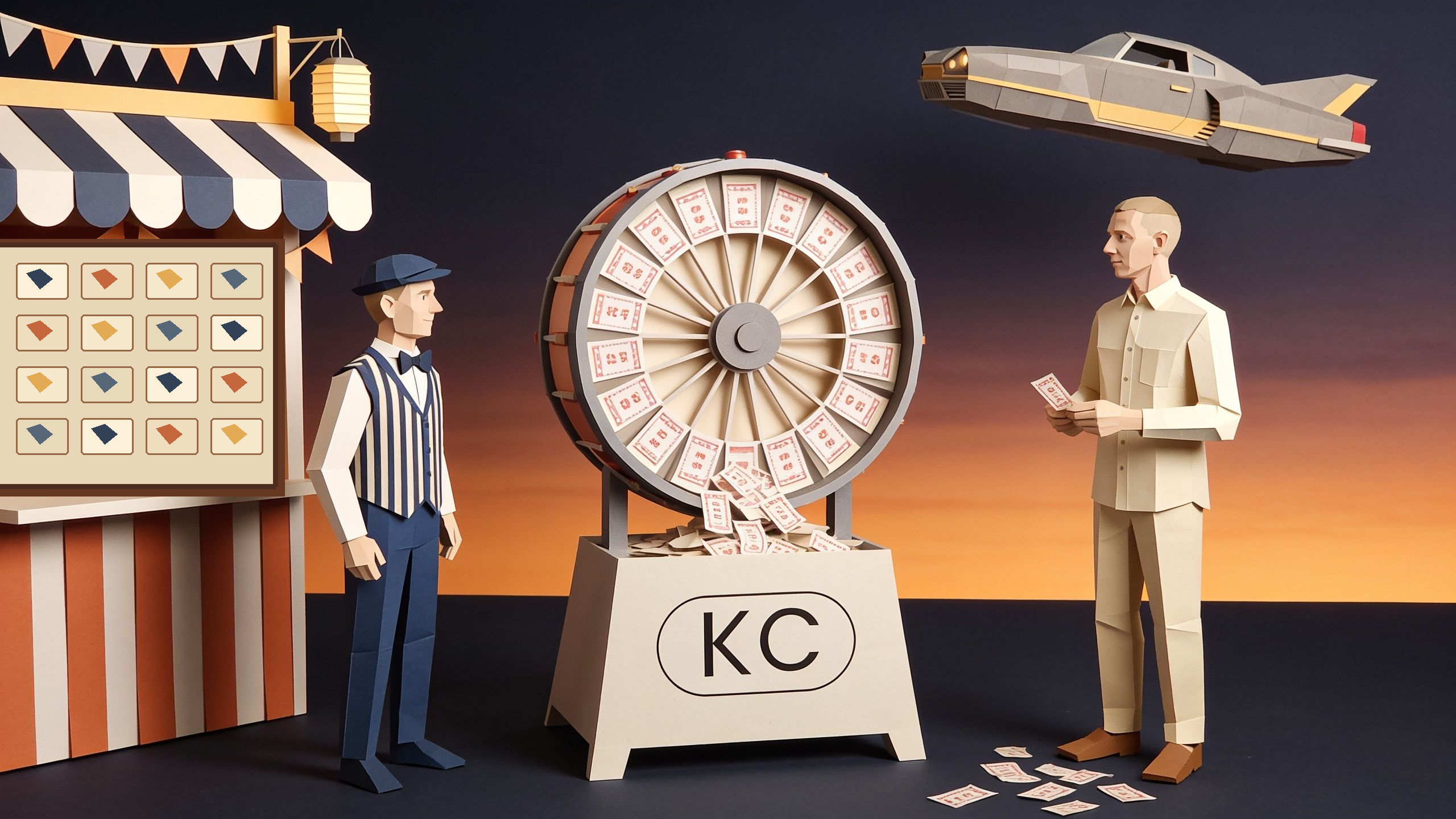
The Rybolov store is on the corner. The assortment has not changed for years: the same fishing line, the same hooks, the same seller. It's often crowded, and most of those who come buy something.
The store doesn't rely on new stray customers, it relies on the counter.
In the Angler, the counter shows what the catch is and the weight of the largest fish caught, where, for what, and how it was caught.
A man doesn't come for a fishing rod. He wants to tell a new chapter about himself and hear that it was noticed.
Now about the pain that people come to me with most often.
It happens that the owner of the best restaurant in the city throws up his hands: the cuisine is the strongest, we pay employees above the market, the interior is gorgeous, but the old guests leave anyway. They want something new.
Large chains regularly arrange Greek weeks or Italian ones, knowing in advance that they will buy the usual set anyway. Every year, phone manufacturers release a model that is almost indistinguishable from the last one. And this is not a hoax. This is a controlled novelty over an unchanging essence: the product is understandable, but there should be many reasons to return.
Many people can do this for clients. For their own people, almost no one.
That's the thing. The owner believes that retention is about money and conditions. I raised my salary, and the man came to life. For a couple of months. Then the new figure became the norm, and everything returned. Because salary is not a counter, it does not grow by itself.
Strong employees don't leave when they don't get enough pay. They leave when there is nothing left to tell about themselves. For the third year, the same site, the same shift, the same tasks — and most importantly, no one around notices that the person has become stronger and can already do more than 3 years ago. There is a height, but there is no notch on the height meter for him.
In real life, this can often be observed. Many people hold on to the team more tightly than to the salary, because we are social beings. And either those who have not taken root leave, or those whose ambitions are already above the ceiling in this place or company, and for some reason the management does not need a new level.
And the bad news is that artificial novelty doesn't save you. New job titles, a move to another office, an offsite strategic session — this is the Greek fast food week. It's a one-time reason if nothing has actually grown.
It is better to look not only at the outflow in general, but at the last ten who left. There is always a pattern: most leave at the same point in the relationship. We lived for a year, and in the second year something happened. They stopped calling "just like that." The man who was "his own" was replaced. This is not marketing, this is a relationship device, and it is fixed point-by-point.
When I visit the owner, I look not only at the motivation system. And where in the company does the personal trajectory of a strong person end under the guise of a position, and is there anyone to see it? The unpleasant thing usually turns out to be that people run into the same limitation as businesses. All decisions go through one head, which means that all victories are attributed to her, and defeats are blamed on those below. If the company does not grow, then the amount of power, money and privileges remains the same. You can grow inside such a structure only in terms of the volume of tasks (often for the same salary), but not in their weight.
If you have the courage and honesty, then you have to admit that some people have grown up, but there are no places for them, and you need a vision for the bright future of the company — then you can make these places before there is revenue for them, and they themselves will find how to generate this revenue.
But then the "unmotivated" suddenly stop being unmotivated: they have something to tell themselves and people, they have energy and drive.
What did your last strong employee say out loud when he left? One phrase, literally.
Магазин «Рыболов» на углу. Ассортимент не менялся годами: та же леска, те же крючки, тот же продавец. Часто там многолюдно, и большинство пришедших что-нибудь да покупает.
Магазин держится не на новых залетных покупателях, он держится на счётчике.
В «Рыболове» счётчик — какой улов и вес самой большой пойманной рыбины, где, на что и как поймал.
Человек приходит не за удочкой. Ему хочется рассказать про себя новую главу и услышать, что её заметили.
Теперь про боль, с которой ко мне приходят чаще всего.
Бывает, что владелец лучшего ресторана в городе разводит руками: кухня сильнейшая, платим сотрудникам выше рынка, шикарный интерьер, а старые гости всё равно уходят. Хочется им новенького.
Крупные сети регулярно устраивают то греческие недели, то итальянские — зная заранее, что купят всё равно привычный набор. Производители телефонов каждый год выпускают модель, почти не отличимую от прошлой. И это не обман. Это управляемая новизна над неизменной сутью: продукт понятен, но поводов вернуться должно быть много.
Для клиентов это умеют многие. Для своих — почти никто.
Вот в чём дело. Собственник считает, что удержание — это деньги и условия. Поднял оклад — человек ожил. На пару месяцев. Потом новая цифра стала нормой, и всё вернулось. Потому что оклад — это не счётчик, он не прирастает сам по себе.
Сильные сотрудники уходят не тогда, когда мало платят. Уходят, когда про себя нечего стало рассказывать. Третий год один и тот же участок, одна и та же смена, одни и те же задачи — и главное, никто вокруг не замечает, что человек стал сильнее и может уже больше чем 3 года назад. Рост есть, а зарубки на ростомере для него нет.
В жизни это можно часто наблюдать. Многие люди держатся за коллектив крепче, чем за оклад, ведь мы существа социальные. А уходят либо те, кто не прижился, либо те у кого амбиции уже выше потолка на этом месте или компании, а руководству новый уровень по каким-то причинам не нужен.
И плохая новость: искусственная новизна не спасает. Новые названия должностей, переезд в другой кабинет, выездная стратегическая сессия — это греческая неделя в фастфуде. Разовый повод, если по сути ничего не выросло.
Лучше смотреть не только на отток вообще — на последних десять ушедших. Всегда находится закономерность: большинство уходят в одной и той же точке отношений. Прожили год — и на втором году что-то произошло. Перестали звонить «просто так». Сменился человек, который был «своим». Это не маркетинг, это устройство отношений, и чинится оно точечно.
Когда захожу к собственнику, то смотрю не только на систему мотивации. А где в компании обрывается личная траектория сильного человека под маской должности и есть ли кому её видеть.
Обычно выясняется неприятное: люди упираются в то же ограничение, что и бизнес. Все решения проходят через одну голову, а значит и все победы приписываются ей же, а поражения сваливаются на нижестоящих. Если компания не растет, то размер власти, денег и привилегий остается прежним. Расти внутри такой конструкции можно только в объёме задач (часто за ту же зарплату), но не в их весе.
Если есть смелость и честность, то приходится признать, что часть людей выросла, а мест для них нет, и нужно виденье светлого будущего компании — тогда можно сделать эти места раньше, чем появится выручка под них, а они уже сами найдут, как эту выручку нагенерить.
Зато потом «немотивированные» вдруг перестают быть немотивированными: у них появилось, что рассказать и себе, и людям, появилась энергия и драйв.
Что сказал вслух ваш последний сильный сотрудник, когда уходил?
Одну фразу, дословно.
 Share