
The post has been translated automatically. Original language: Russian




— How to build a company with billions of dollars in revenue? — they asked at the conference. More like a joke.— Decide who you're hunting.
A billion is just two numbers.
How many clients do you have and how much each one brings in per year. There are few combinations, and they can be roughly counted on a napkin in a minute.
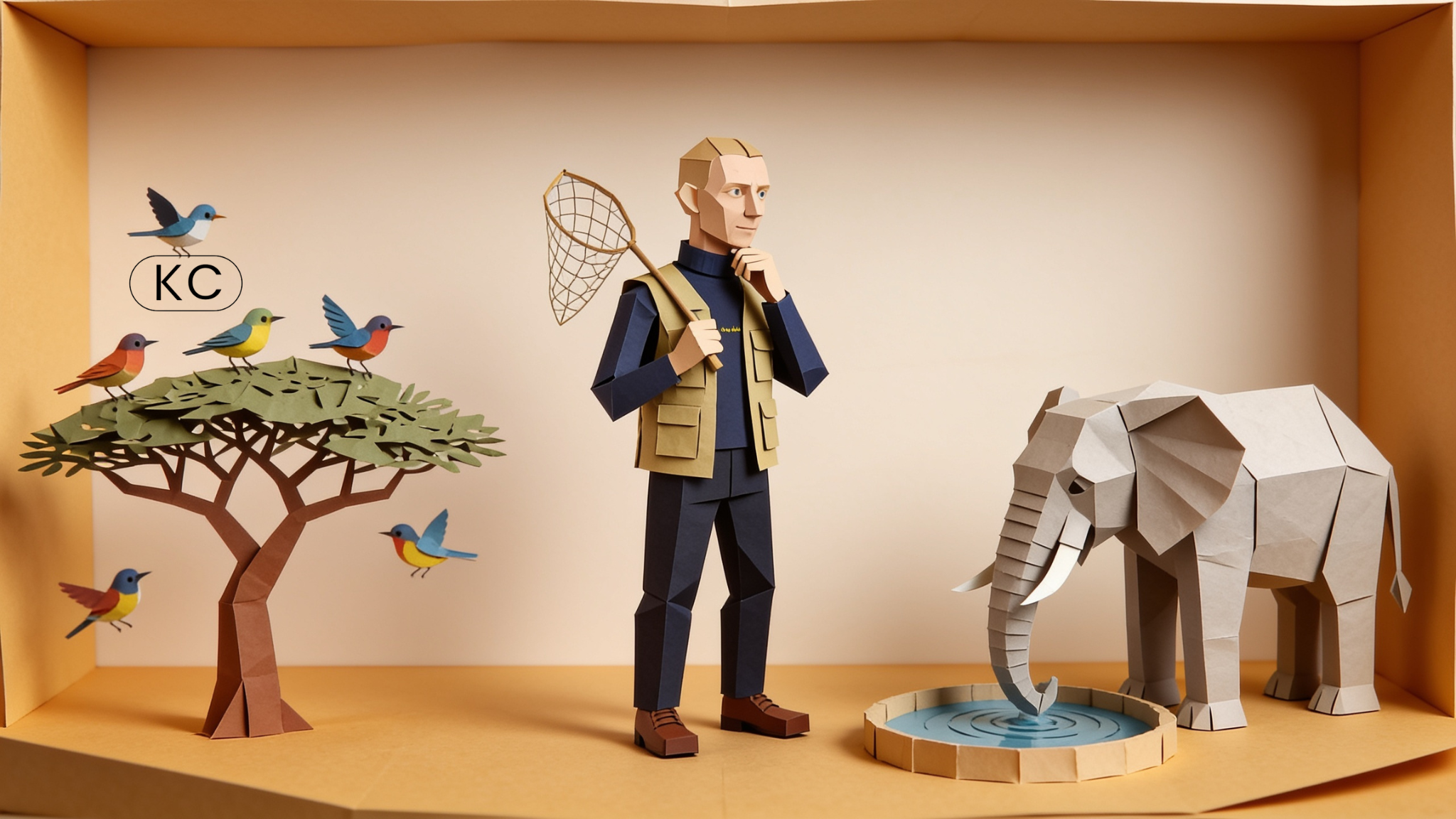
One million customers for a thousand rubles a year is one company. A thousand million customers is a completely different story. Ten clients of one hundred million each — the third. Sparrows, wild boars, elephants — speaking in metaphors.
The difference between them is not in scale. In the construction.
Sparrow hunting has no sellers at all. There is a product that diverges on its own, and patience for years until it diverges. Elephant hunting has no advertising. There are two people who have been going to the same offices for five years, and one lost purchase costs as the annual salary fund of the department. There is nothing in common between these two companies: neither people, nor money, nor what the owner does on Tuesdays.
Now, something that is rarely said out loud.
You're already hunting. You just didn't choose the game — you inherited the equipment from the company's previous life.
A typical picture: a check of three hundred thousand, and the owner personally sells it at meetings. Each transaction costs more than it brings, and this is not visible in the report, because no one puts the owner's time into the cost. The reverse picture is no better: we catch the big ones, and the flow of applications is set up for extras. Managers spend all day talking to those who will never buy, and honestly report on employment.
The second layer is even more unpleasant. They often hunt everyone in the same company at the same time. Sparrows, wild boars and elephants in the same department, for the same wage fund. Three different sales systems, none perfect, none paying off. And the owner's energy is flowing away to where the shouting is louder today, and not to where the money is.
A strategy is not a list of what you will do. This is the answer to the question of who you will feed when there is not enough food for everyone.
Twenty years in engineering have taught me the simple in form and the complex in implementation of the order. Before promising volume, they count the clock cycle: how many units per hour the line produces, how many hours per shift, where the queue is created in the production stream. And only then can we promise the delivery time.
In sales, the opposite is true. First, we set a revenue goal, then we ask you to call more actively. No one measured the gap between the first and the second.
Therefore, I usually ask the question "how to grow up at times": what kind of game do you have in your sights and what do you have in your hands. Next, you will see where you are shooting sparrows with an elephant rifle — and the cartridges are expensive, and the supply is finite.
Choosing a game doesn't make a billion closer. It makes it visible what you don't have for this hunt — people, money for the transaction cycle, patience — and not only them. Then the boring work goes on: remove one restriction, rest on the next, and so on in a circle. But you stop paying for three hunts at the same time, both with money and, more importantly, with your time.
Sometimes the honest answer is that your game in this clearing won't feed you. This is also a result, and it's better to know it now than in two years and three teams that somehow failed. Usually, one meeting is enough to see where the equipment does not match the target.
Do the math on a napkin: with your average check, how many customers do you need per million or billion? Write a number.
— Как построить компанию с миллиардной выручкой? — спросили на конференции. Скорее в шутку.
— Решить, на кого вы охотитесь.
Миллиард — это всего два числа.
Сколько у вас клиентов и сколько каждый приносит за год. Комбинаций немного, и их грубо можно посчитать на салфетке за минуту.
Миллион клиентов по тысяче рублей в год — это одна компания. Тысяча клиентов по миллиону — совсем другая. Десять клиентов по сто миллионов — третья. Воробьи, кабаны, слоны — говоря метафорами.
Разница между ними не в масштабе. В конструкции.
У охоты на воробьёв продавцов нет вообще. Есть продукт, который расходится сам, и терпение на годы, пока он расходится. У охоты на слонов нет рекламы. Есть два человека, которые пять лет ходят по одним и тем же кабинетам, и одна проигранная закупка стоит как годовой фонд оплаты труда отдела. Между этими двумя компаниями нет ничего общего: ни люди, ни деньги, ни то, чем занят собственник по вторникам.
Теперь то, что редко произносят вслух.
Вы уже охотитесь. Вы просто не выбирали дичь — экипировка досталась от прошлой жизни компании.
Типичная картина: чек триста тысяч, а продаёт его лично собственник на встречах. Каждая сделка обходится дороже, чем приносит, и это не видно в отчёте — потому что время собственника никто не ставит в затраты. Обратная картина не лучше: ловим крупных, а поток заявок настроен на массовку. Менеджеры весь день разговаривают с теми, кто никогда не купит, и честно отчитываются о занятости.
Второй слой, ещё неприятнее. Часто в одной компании охотятся одновременно на всех. Воробьи, кабаны и слоны в одном отделе, на один фонд оплаты труда. Три разные системы продаж, ни одна не доведена до идеала, ни одна не окупается. И энергия собственника утекает туда, где сегодня громче кричат, а не туда, где деньги.
Стратегия — это не список того, что вы будете делать. Это ответ на вопрос, кого вы будете кормить, когда еды не хватит на всех.
Двадцать лет в инженерии научили меня простому по форме и сложному по реализации порядку. Прежде чем обещать объём, считают такт: сколько единиц в час выдаёт линия, сколько часов в смене, где создаётся очередь в потоке производства. И только потом можно обещать срок поставки.
В продажах всё наоборот. Сначала ставим цель по выручке, потом просим звонить активнее. Разрыв между первым и вторым никто не мерил.
Поэтому вопрос «как вырасти в разы» я обычно разворачиваю: а какая дичь у вас в прицеле и что у вас в руках. Дальше будет видно, где вы стреляете из ружья на слона по воробьям — а патроны дорогие, и запас конечный.
Выбор дичи не делает миллиард ближе. Он делает видимым, чего у вас для этой охоты нет — людей, денег на цикл сделки, терпения — и не только их. Дальше идёт скучная работа: убрать одно ограничение, упереться в следующее, и так по кругу. Зато вы перестаёте платить за три охоты одновременно как деньгами, так и что более важно - своим временем.
Иногда честный ответ звучит так: ваша дичь на этой поляне вас не прокормит. Это тоже результат, и лучше узнать его сейчас, чем через два года и три команды, которые почему-то не справились. Обычно одной встречи хватает, чтобы увидеть, где экипировка не сходится с целью.
Посчитайте на салфетке: при вашем среднем чеке сколько нужно клиентов на миллион или миллиард? Напишите число.

 Share