
The post has been translated automatically. Original language: Russian



Most modern language models are primarily trained in English text. For countries with their own national language and large populations, this results in a gap: AI assistants understand the local context less well, and digital public services and educational products are more difficult to adapt to the language that people actually speak. Kazakhstan faced this problem earlier than many, and solved it on its own.
In 2024, QazCode, together with the Institute of AI and Digital Technologies (ISSAI) of Nazarbayev University and Astana Hub, developed KazLLM, a large language model trained on more than 150 billion tokens in Kazakh, Russian, English and Turkish. In 2025, the model received the GSMA Foundry Excellence Award, an award for its contribution to the development of AI for languages with a limited digital presence.
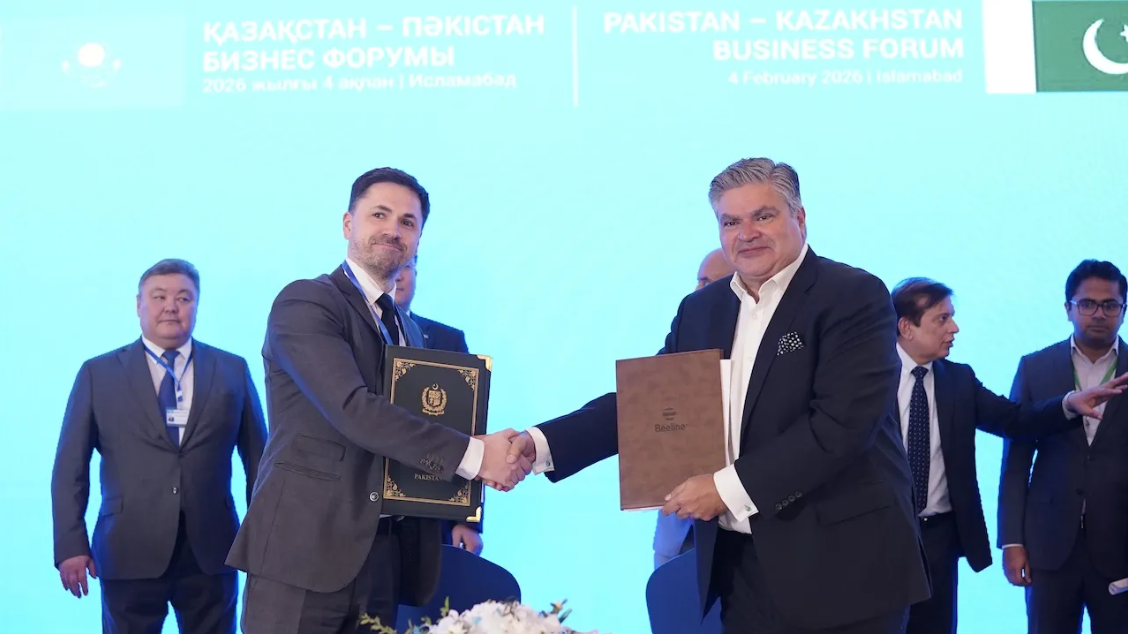
On February 4, 2026, at the Kazakh-Pakistani business forum in Islamabad, Beeline Kazakhstan and QazCode signed a memorandum with JazzWorld, Pakistan's largest telecom operator. The goal of the partnership is to create UrduLLM, the first full—fledged large language model in Urdu, the official language of Pakistan. The model should form the basis of electronic public services, educational products, AI assistants and digital services for millions of Urdu speakers.
The role of QazCode here is not a one—time consultation, but a direct transfer of experience: the Kazakh side shares the KazLLM architecture, datasets and testing methodology, as well as organizes the exchange of specialists between the research centers of the two countries.
QazCode emphasizes that countries with unique languages and large populations, such as Pakistan with its 255 million inhabitants, are able to independently develop advanced AI solutions if they have access to ready—made architecture and methodology. According to the company, technologies of this level are valuable only when they are understandable to people: it is important that AI speaks the language of users and takes into account their daily context — this is what determines the digital sovereignty of a country and strengthens international cooperation.
For businesses outside the telecom market, there is a practical conclusion in this case: the infrastructure built to solve a local problem — high—quality AI in the Kazakh language - turns into an actual export product. According to representatives of QazCode, Kyrgyzstan, Uzbekistan and Ukraine are already showing interest in such an experience: this is not a one-time deal, but a repeatable model that can be adapted to different languages and markets.
For Astana Hub and the Kazakh tech ecosystem as a whole, this means one thing: local development, which initially solved an internal problem - high—quality AI in the Kazakh language, becomes a recognizable export product, and with each new partnership this reputation only strengthens.
Большинство современных языковых моделей обучены в первую очередь на английском тексте. Для стран со своим национальным языком и большим населением это оборачивается разрывом: AI-ассистенты хуже понимают локальный контекст, а цифровые госуслуги и образовательные продукты сложнее адаптировать под язык, на котором реально говорят люди. Казахстан столкнулся с этой проблемой раньше многих — и решил её самостоятельно.
В 2024 году QazCode вместе с Институтом ИИ и цифровых технологий (ISSAI) Nazarbayev University и Astana Hub разработал KazLLM — большую языковую модель, обученную более чем на 150 миллиардах токенов на казахском, русском, английском и турецком языках. В 2025 году модель получила GSMA Foundry Excellence Award — награду за вклад в развитие AI для языков с ограниченным цифровым присутствием.
4 февраля 2026 года на казахстанско-пакистанском бизнес-форуме в Исламабаде Beeline Казахстан и QazCode подписали меморандум с крупнейшим телеком-оператором Пакистана — JazzWorld. Цель партнёрства — создание UrduLLM, первой полноценной большой языковой модели на урду, государственном языке Пакистана. Модель должна лечь в основу электронных госуслуг, образовательных продуктов, AI-ассистентов и цифровых сервисов для миллионов носителей урду.
Роль QazCode здесь — не разовая консультация, а прямая передача опыта: казахстанская сторона делится архитектурой KazLLM, датасетами и методологией тестирования, а также организует обмен специалистами между исследовательскими центрами двух стран.
В QazCode подчёркивают: страны с уникальными языками и большим населением — такие, как Пакистан с его 255 миллионами жителей, — способны самостоятельно разрабатывать передовые ИИ-решения, если получают доступ к готовой архитектуре и методологии. По мнению компании, технологии такого уровня имеют ценность только тогда, когда они понятны людям: важно, чтобы ИИ говорил на языке пользователей и учитывал их повседневный контекст — именно это определяет цифровой суверенитет страны и укрепляет международное сотрудничество.
Для бизнеса за пределами телеком-рынка в этом кейсе есть практический вывод: инфраструктура, построенная для решения локальной задачи — качественного AI на казахском языке, — превращается в актуальный экспортный продукт. По словам представителей QazCode, интерес к такому опыту уже проявляют Кыргызстан, Узбекистан и Украина: речь идёт не о разовой сделке, а о повторяемой модели, которую можно адаптировать под разные языки и рынки.
Для Astana Hub и казахстанской tech-экосистемы в целом это значит одно: локальная разработка, изначально решавшая внутреннюю задачу — качественный ИИ на казахском языке, — становится узнаваемым экспортным продуктом, и с каждым новым партнёрством эта репутация только укрепляется.
 Share