
The post has been translated automatically. Original language: Russian





A first programming class is an important moment for a child. The mood they leave the classroom in often decides whether they want to continue. Parents can have a big influence on this, even if they have never written a line of code themselves. Here is what we see in our work with children every year.
Before the class: ease the worry
Many children are nervous that they will not understand anything. Tell your child that nobody in the first lesson knows how to code and that this is completely normal. The goal is to meet the teacher and the group and to build something with their own hands. Do not promise they will make a game right away: high expectations often lead to disappointment.
After the class: ask the right questions
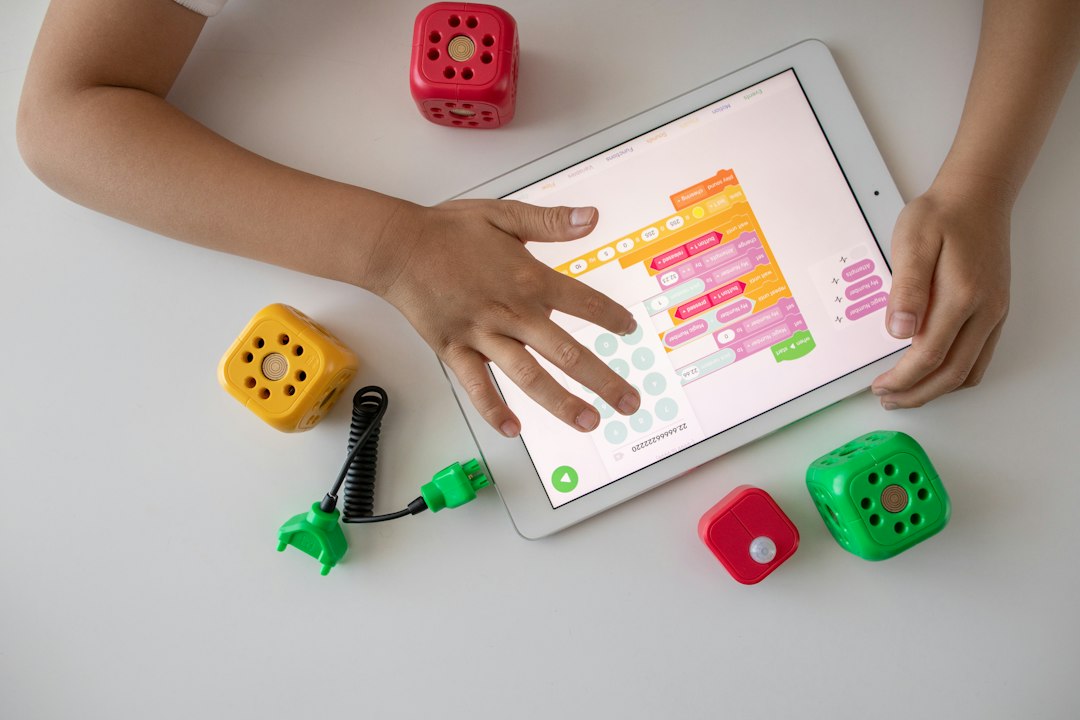
Instead of asking whether they liked it, ask what they managed to make today, or ask them to show you. When a child explains a project to an adult, they go through the logic again and reinforce what they learned. Even if the result looks simple, like a character walking across the screen, for the child it is their very first program.
Praise effort, not talent
Saying "you are a genius" feels nice, but at the first mistake a child may decide they are not one and give up. It is better to point out specific actions: "You searched for that bug for a long time and found it yourself." This builds the habit of not giving up, which matters more in programming than any knowledge.
Mistakes are part of the process
Code rarely works on the first try, even for professionals. If your child is upset that the program "broke", explain that finding bugs is the real work of a developer. Offer to go through it step by step together and find where things went wrong.
At home, without pressure
There is no need to turn every Sunday into an extra lesson. It is enough to show interest in their projects from time to time and give them space for free experiments. Interest lasts when programming stays creative rather than becoming a chore.
The first weeks are when a child forms their attitude to the subject. Calm support from parents helps them get through this stage with more confidence and actually enjoy the classes.
Первое занятие по программированию — важный момент для ребёнка. От того, с каким настроением он выйдет из класса, во многом зависит, захочет ли он продолжать. Родители могут сильно повлиять на это, даже если сами никогда не писали код. Делимся тем, что видим в работе с детьми каждый год.
До занятия: снять тревогу
Многие дети волнуются, что «ничего не поймут». Скажите ребёнку, что на первом уроке никто не умеет программировать и это нормально. Задача — познакомиться с преподавателем, группой и попробовать что-то собрать своими руками. Не обещайте, что он сразу сделает игру: завышенные ожидания часто приводят к разочарованию.
После занятия: спрашивать правильно
Вместо «Ну как, понравилось?» спросите «Что у тебя получилось сегодня?» или «Покажи, что ты сделал». Когда ребёнок объясняет свой проект взрослому, он заново проговаривает логику и закрепляет материал. Даже если результат кажется простым — персонаж, который ходит по экрану, — для ребёнка это первая собственная программа.
Хвалить усилие, а не талант
Фраза «Ты у нас гений» звучит приятно, но при первой же ошибке ребёнок может решить, что он «не гений» и бросить. Лучше отмечать конкретные действия: «Ты долго искал ошибку и нашёл её сам». Так формируется привычка не сдаваться, которая в программировании важнее любых знаний.
Ошибки — часть процесса
Код редко работает с первого раза даже у профессионалов. Если ребёнок расстроен, что программа «сломалась», расскажите, что поиск ошибок — это и есть настоящая работа разработчика. Предложите вместе пройти по шагам и найти, где что-то пошло не так.
Дома без давления
Не стоит превращать каждое воскресенье в дополнительный урок. Достаточно иногда интересоваться проектами и давать время на свободные эксперименты. Интерес держится тогда, когда программирование остаётся творчеством, а не обязанностью.
Первые недели — время, когда закладывается отношение к предмету. Спокойная поддержка родителей помогает ребёнку пройти этот этап увереннее и получить от занятий удовольствие.
 Share