
The post has been translated automatically. Original language: Russian




Until recently, it took decades for a product to become a global hit. Avocado toast has taken years to make its way from Australian coffee shops to menus anywhere in the world. Today, it takes a couple of weeks to go from going viral on TikTok to empty shelves in a supermarket.
Recently, The Economist published an excellent analysis of how food turned from a simple source of calories into the main engine of algorithms and consumption culture.
While some are mixing protein powder with water, and others are standing in hourly queues for another match lagg, the food industry is experiencing a tectonic shift. And that's why food Fads are spreading at the speed of light today.:
- Algorithms instead of tradition. Previously, chefs and cookbooks set trends. Today, the trend is set by a 15-second video, where the correct sound of cutting or aesthetic whipping of green foam gives millions of views per night.
- Identity is on the plate. Choosing food has become a quick way to express your values. "Oat" milk, matcha, protein bars are no longer about satisfying hunger, but about demonstrating status, taking care of oneself and belonging to a "healthy lifestyle" or "aesthetics."
- The speed of the corporate response. Brands have learned to instantly pick up HYPE. Have R&D departments been testing new products for years? if Dubai chocolate or protein pudding has gone viral online, analogues will appear on the mass market before the wave of interest subsides.
As a result, we live in the era of ultra-fast food globalism. On the one hand, it's great that cool and healthy habits like switching to high-quality protein or antioxidants become widespread instantly. On the other hand, food risks becoming an analogue of "fast fashion", where products are bought for the sake of aesthetic photos on social networks, and not for the sake of taste.
And what's the latest "viral" food trend in your diet, matcha, high-protein protein, or something exotic?
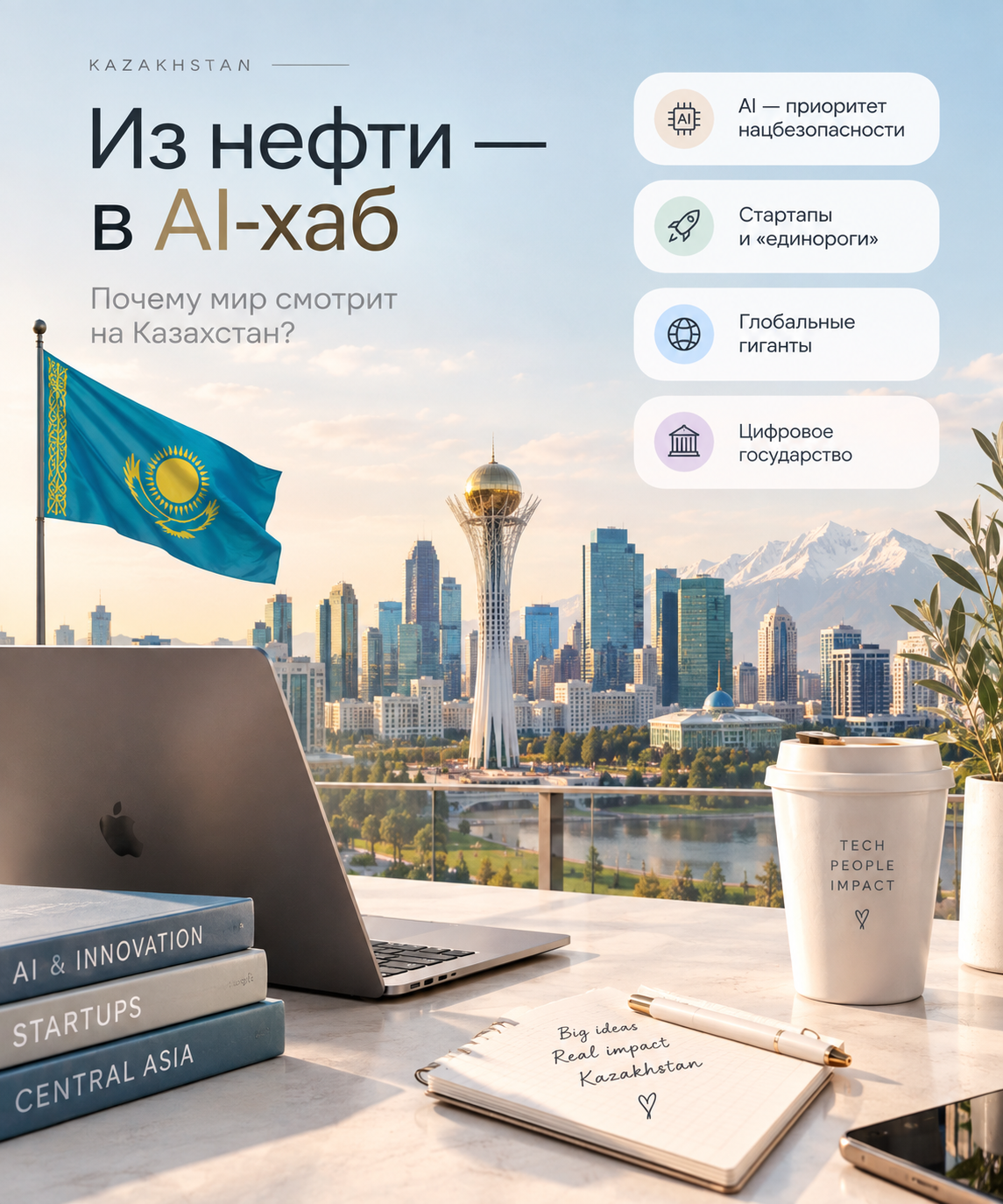
Если вы следите за мировыми IT-новостями, то наверняка заметили необычный тренд: издания от The Independent до Reddit и GITEX всё чаще обсуждают технологический феномен Казахстана. Страна, которую еще недавно ассоциировали исключительно с нефтью и ресурсами, совершает стремительный рывок в статус главного цифрового и AI-хаба Центральной Евразии.
Почему глобальный техмедведь обратил сюда свой взор и о чём пишут международные аналитики?
- Ставка на AI как «вопрос выживания» Казахстан не просто внедряет нейросети в бизнес, внедрение ИИ объявлено приоритетом национальной безопасности и ключевым моментом трансформации экономики. Страна уже запустила Первую национальную AI-платформу, приняла профильный закон и готовит к открытию суверенный суперкомпьютерный хаб на 100 МВт в партнерстве с NVIDIA.
- Экосистема, которая реально растит «единорогов» Оценка стартап-экосистемы страны выросла более чем в 18 раз за последние годы. Проекты родом из Казахстана и Astana Hub (такие как CerebraAI, Higgsfield, Codiplay) закрывают крупные раунды в Кремниевой долине, экспансируют в США, Великобританию и Азию.
- Точка притяжения гигантов Ивент GITEX AI Kazakhstan доказал: мировые гиганты больше не смотрят на регион как на второстепенный рынок. Свои решения и платформы сюда везут Atlassian, Cloudflare, Cisco, Salesforce и OpenAI, внедряя свои технологии в местный финтех, промгиганты и телеком.
- Цифровое государство в реальном времени Казахстан уже входит в Топ-10 стран мира по уровню развития онлайн-госуслуг (UN e-Government Index), где более 90% процессов цифровизовано. Для мирового IT-сообщества это удобный тестовый полигон: от внедрения GovTech до легализации крипто-инфраструктуры и гибких налоговых режимов.
Казахстан строит инфраструктуру под «экономику будущего, которой ещё даже не существует», инвестируя в суверенный Compute, финтех и DeepTech-кадры до того, как этот поезд уйдёт окончательно.
Как думаете, удастся ли удержать этот темп и закрепиться в Топ-20 мировых AI-держав?

 Share