
The post has been translated automatically. Original language: English



What a patient eats can decide whether their medicine works, fails, or causes harm. Food–drug interactions affect millions of people every day, yet they get far less attention than drug–drug interactions.
What food–drug interactions are
A food–drug interaction happens when something in the diet changes how a medicine is absorbed, broken down, or how it acts. The result can be a weaker drug, a stronger one, or more side effects.
Well-known examples
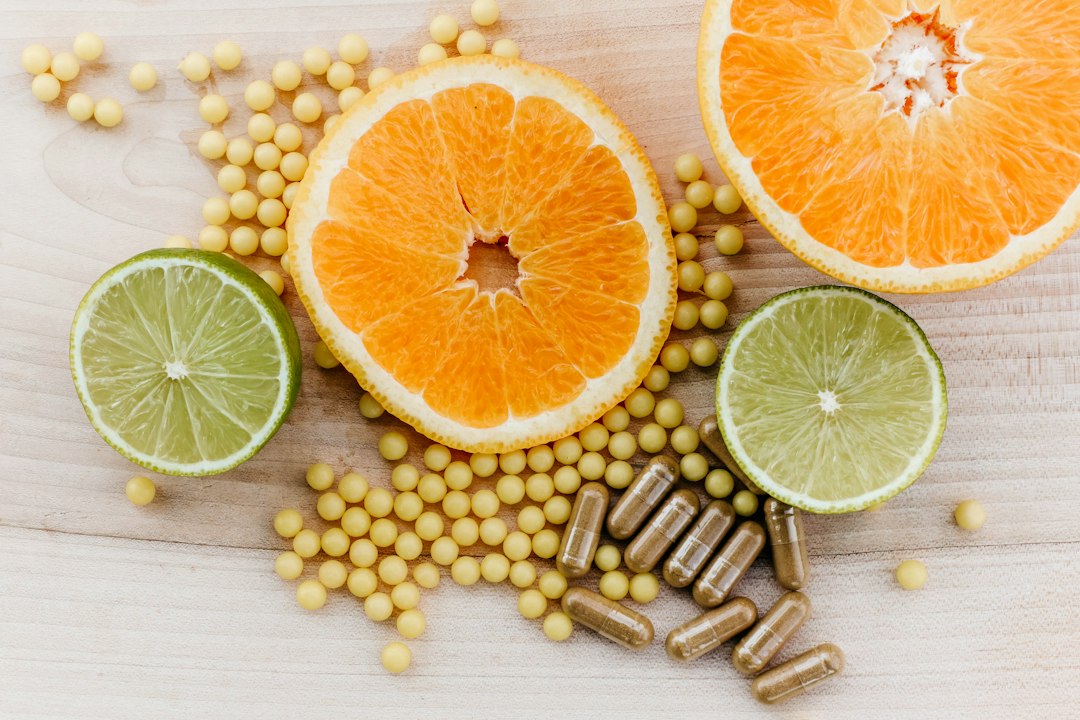
Everyday foods can change treatment outcomes:
| Food or drink | Medicine type | What can happen |
| Grapefruit juice | Some statins and blood pressure drugs | Higher drug levels, more side effects |
| Leafy greens (vitamin K) | Warfarin | Weaker or stronger blood-thinning effect |
| Dairy, calcium, iron | Some antibiotics, levothyroxine | Less of the drug is absorbed |
| Alcohol | Sedatives, opioids, some diabetes drugs | Drowsiness, low blood sugar |
Who is most at risk
Risk is highest for older adults on several medicines, people with chronic conditions, patients on narrow-margin drugs like anticoagulants, and anyone who never receives clear dietary guidance.
Where medtech can help
Most prescribing systems check drug–drug interactions, but food is often left to a generic label line. Technology can close this gap:
- Smarter clinical decision support that flags food and supplement interactions at prescribing and dispensing.
- Patient apps that pair reminders with clear, personal dietary guidance.
- Remote monitoring that spots early warning signs when diet and medicine clash.
This article is for general information and is not a substitute for professional medical advice. Patients should talk to their doctor or pharmacist before changing their diet or medication.
 Share