
The post has been translated automatically. Original language: Russian




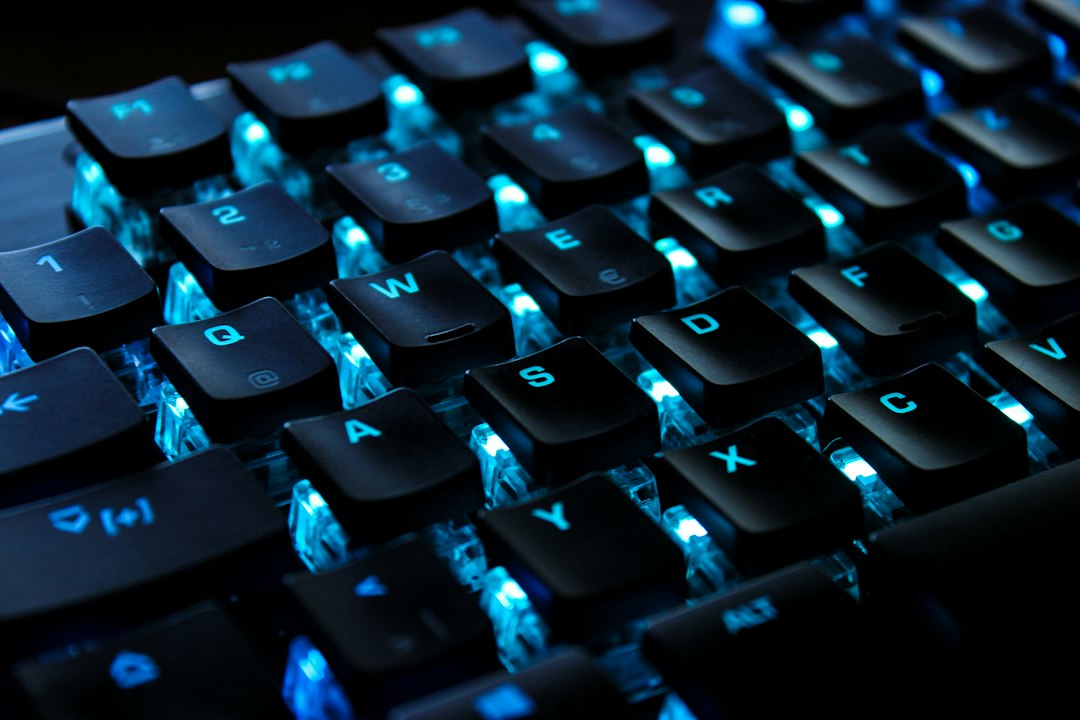
If you look at your keyboard on your smartphone or computer, you'll notice that the letters on it are arranged in a strange chaotic order: QWERTY is in the English layout, and YTSUKEN is in the Russian.
It would seem, why not just make the buttons alphabetically — from A to Z? After all, it would be much easier to learn how to type! Behind this chaos lies an ingenious engineering trick from the 19th century, which was created in order to... slow down a person's typing speed.
The finger Trap In the 1870s, American Christopher Scholes invented the first commercial typewriter. In its first versions, the letters on the keys were arranged alphabetically. But there was a huge technical problem.When the typists learned to type very quickly, the metal levers with letters inside the machine did not have time to return to their place. If two letters that often stand side by side in words (for example, S and T or O and... other vowels) were pressed one after the other too quickly, the levers clung tightly to each other and broke the mechanism.An elegant solution to the problem, Scholes decided to go for a trick. He analyzed which letters in the language are used most often and are most often located next to each other. Then he spread these "popular" letters as far apart as possible at different ends of the keyboard.
- The printing speed intentionally dropped because the fingers had to reach across the entire panel.
- The levers of the machine stopped colliding, and the equipment stopped breaking.
And what about the Russian keyboard layout?
In Russia, typewriters appeared later, when their mechanisms had already become more reliable and did not jam so much. Therefore, Russian engineers went the other way — they made the layout as convenient and fast as possible.
They placed the most popular letters of the Russian language (such as O, A, I, E, N, T) in the very center, under the index fingers, which are the easiest to control. And rare letters like C, S, F, B were sent to the very edges, under weak little fingers.Today, we have powerful touchscreen smartphones in our hands, where no levers can physically jam. But the habit of humanity turned out to be stronger than technology: we are so used to QWERTY and YTSUKEN that no one will dare to change them anymore.
Если вы посмотрите на свою клавиатуру на смартфоне или компьютере, то заметите, что буквы на ней расположены в странном хаотичном порядке: QWERTY — в английской раскладке, и ЙЦУКЕН — в русской.
Казалось бы, почему не сделать кнопки просто по алфавиту — от А до Я? Ведь так было бы гораздо проще учиться печатать! За этим хаосом скрывается гениальная инженерная хитрость из XIX века, которая была создана для того, чтобы... замедлить скорость печати человека.
Ловушка для быстрых пальцевВ 1870-х годах американец Кристофер Шоулз изобрел первую коммерческую печатную машинку. В её первых версиях буквы на клавишах располагались как раз по алфавиту. Но возникла огромная техническая проблема.Когда машинистки научились печатать очень быстро, металлические рычажки с буквами внутри машинки не успевали возвращаться на место. Если две буквы, которые часто стоят рядом в словах (например, S и T или O и... другие гласные), нажимались одна за другой слишком быстро, рычажки намертво цеплялись друг за друга и ломали механизм.Изящное решение проблемыШоулз решил пойти на хитрость. Он проанализировал, какие буквы в языке используются чаще всего и чаще всего стоят по соседству. Затем он разнес эти «популярные» буквы как можно дальше друг от друга в разные концы клавиатуры.
- Скорость печати намеренно упала, потому что пальцам приходилось тянуться через всю панель.
- Рычажки машинки перестали сталкиваться, и техника перестала ломаться.
А что с русской раскладкой ЙЦУКЕН?
В России печатные машинки появились позже, когда их механизмы уже стали более надежными и не заедали так сильно. Поэтому русские инженеры пошли другим путем — они сделали раскладку максимально удобной и быстрой.
Самые популярные буквы русского языка (такие как О, А, И, Е, Н, Т) они поместили в самый центр, под указательные пальцы, которыми легче всего управлять. А редкие буквы вроде Ц, Щ, Ф, Ъ отправили на самые края, под слабые мизинцы.Сегодня у нас в руках мощные сенсорные смартфоны, где никакие рычажки уже физически не могут заклинить. Но привычка человечества оказалась сильнее технологий: мы настолько привыкли к QWERTY и ЙЦУКЕН, что менять их уже никто не решится.
 Share