

The post has been translated automatically. Original language: Russian


Every company has texts that no one is behind. Instructions, regulations, you never know what other documents without the author's signature.
Everything is correct there. Clause 4.2, the deadline, and so on. A text that works. And a text with no one behind it.
It's a comfortable position, and I've lived in it for years. A useful text cannot be challenged personally. If the instructions are written and they are correct, you can criticize the instructions, but not the author. The author is simply not there (or he is hidden deep from you).
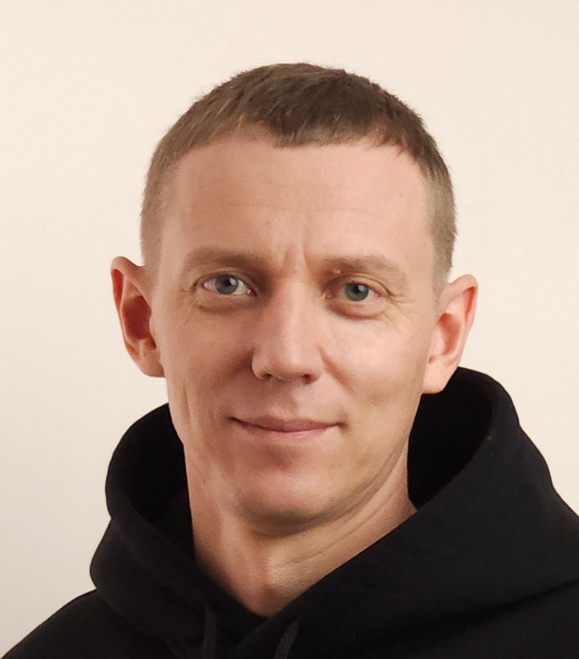
I'm currently writing articles for owners, startup founders, and strong employees. This is my first public text project in this form. And to be honest, it's easier for me to write a useful document of any technical format than these five hundred words.
Because the mechanics are different. In a useful text, I am responsible for correctness. In the article — for your personal opinion.
I wrote the first version exactly the way I know how. He laid out the problem point by point, drew a conclusion, and provided accurate wording. I reread it. Perfect. It's dead. You can attach this to the contract, but you can't read it with interest over coffee during a break or in the evening.
Usefulness is armor. As long as you're useful and agree with the majority, there's almost nothing to offend you for. As soon as you say, "I think differently than is customary," you are already standing under the bright spotlight.
We all see other people's mistakes and don't notice our own, that's how we're built. My limitation wasn't writing skills. It was not ready to put its signature.
There is a habit in engineering that I have long considered a virtue: quality is tested by testing, not by absentee applause. It works, so it's great. If it doesn't work, we're redoing it. We don't ask anyone.
With texts, this habit breaks. Here, the test is when a living person recognizes himself in the text and flashes a thought: "About me." And to do this, the text must have a living author, otherwise why waste electricity?
I have enough material: engineering, working with businesses, two of my own projects, what I'm writing about now.
What was missing was the willingness to be recognizable, not just right.
And one more thought that makes me uncomfortable.
The owners come with the same thing. They ask you to analyze the processes, calculate the funnel, and correct the motivation system. All this is necessary, and we will do it. But more often it turns out that it's not the process that keeps the business going, but what a person doesn't want to say out loud: the wrong market, the wrong partner, the wrong business that he's been dragging for years out of stubbornness or habit. Useful work is also a way not to approach the main thing.
I did the same thing. I just hid not in the processes, but in the correctness of the formulations.
So this channel is not just about coverage for me. I'm not waiting for a stadium of fans. I need to test one hypothesis for myself: if you take off your utility armor, your voice will become stronger or weaker.
The stakes are clear. The rules can be rewritten. There is no signature.
Being useful is easier than being alive. They read useful things to the end, but they don't do it, but they believe in the living.
В каждой компании лежат тексты, за которыми никого нет. Инструкции, регламенты, мало ли каких еще документов без подписи автора.
Там всё правильно. Пункт 4.2, срок и так далее. Текст, который работает. И текст, за которым никого нет.
Это удобная позиция, и я годами жил в ней. Полезный текст нельзя оспорить лично. Если написана инструкция и она верна — критиковать можно инструкцию, но не автора. Автора там просто нет (или он спрятан глубоко от Вас).
Сейчас я пишу статьи для собственников, фаундеров стартапов и сильных сотрудников. Это мой первый публичный текстовый проект в таком виде. И честно скажу: полезный документ любого технического формата мне писать легче, чем эти пятьсот слов.
Потому что механика другая. В полезном тексте я отвечаю за корректность. В статье — за свой личный взгляд.
Первую версию я написал ровно так, как умею. Разложил проблему по пунктам, сделал вывод, снабдил аккуратными формулировками. Перечитал. Идеально. Мертво. Такое можно прикрепить к договору, но нельзя с интересом прочитать за кофе на перерыве или вечером.
Полезность — это броня. Пока ты полезен и совпадаешь с мнением большинства, тебя почти не за что задеть. Как только говоришь «я думаю иначе, чем принято» — ты уже стоишь под ярким лучом прожектора.
Все мы видим чужие ошибки и не замечаем собственные, так мы устроены. Моё ограничение было не в навыке письма. Оно было в неготовности поставить свою подпись.
В инженерии есть привычка, которую я долго считал достоинством: качество проверяется испытанием, а не заочными аплодисментами. Работает — значит отлично. Не работает — переделываем. Никого не спрашиваем.
С текстами эта привычка ломается. Здесь испытание — это когда живой человек узнаёт в тексте себя и мелькает мысль: «Про меня». А для этого в тексте должен быть живой автор — иначе зачем тогда тратить электричество.
Материала у меня хватает: инженерия, работа с бизнесами, два своих проекта, то, о чём теперь пишу.
Не хватало другого — готовности быть узнаваемым, а не только правым.
И ещё одна мысль, от которой мне неуютно.
Собственники приходят с тем же самым. Просят разобрать процессы, посчитать воронку, поправить систему мотивации. Всё это нужно, и мы это сделаем. Но чаще выясняется, что бизнес держит не процесс, а то, что человек не хочет сказать вслух: не тот рынок, не тот партнёр, не то дело, которое он тащит годами из упрямства или привычки. Полезная работа — это тоже способ не подходить к главному.
Я делал так же. Только прятался не в процессы, а в корректность формулировок.
Так что этот канал для меня — не только про охваты. Я не жду стадиона болельщиков. Мне нужно проверить одну гипотезу на себе: если снять броню полезности, твой голос станет сильнее или слабее.
Ставки понятны. Регламент можно переписать. Подпись — нет.
Полезным быть проще, чем живым. Полезное читают до конца, но не делают, зато живому верят.

 Share