
The post has been translated automatically. Original language: Russian




Every second mini-case in the successful success feed looks like this: a call, the right commercial offer, a sale for thousands (millions). Then they are invited to a course where they will teach you how to make the same sentences. "Copied, pasted, sold."
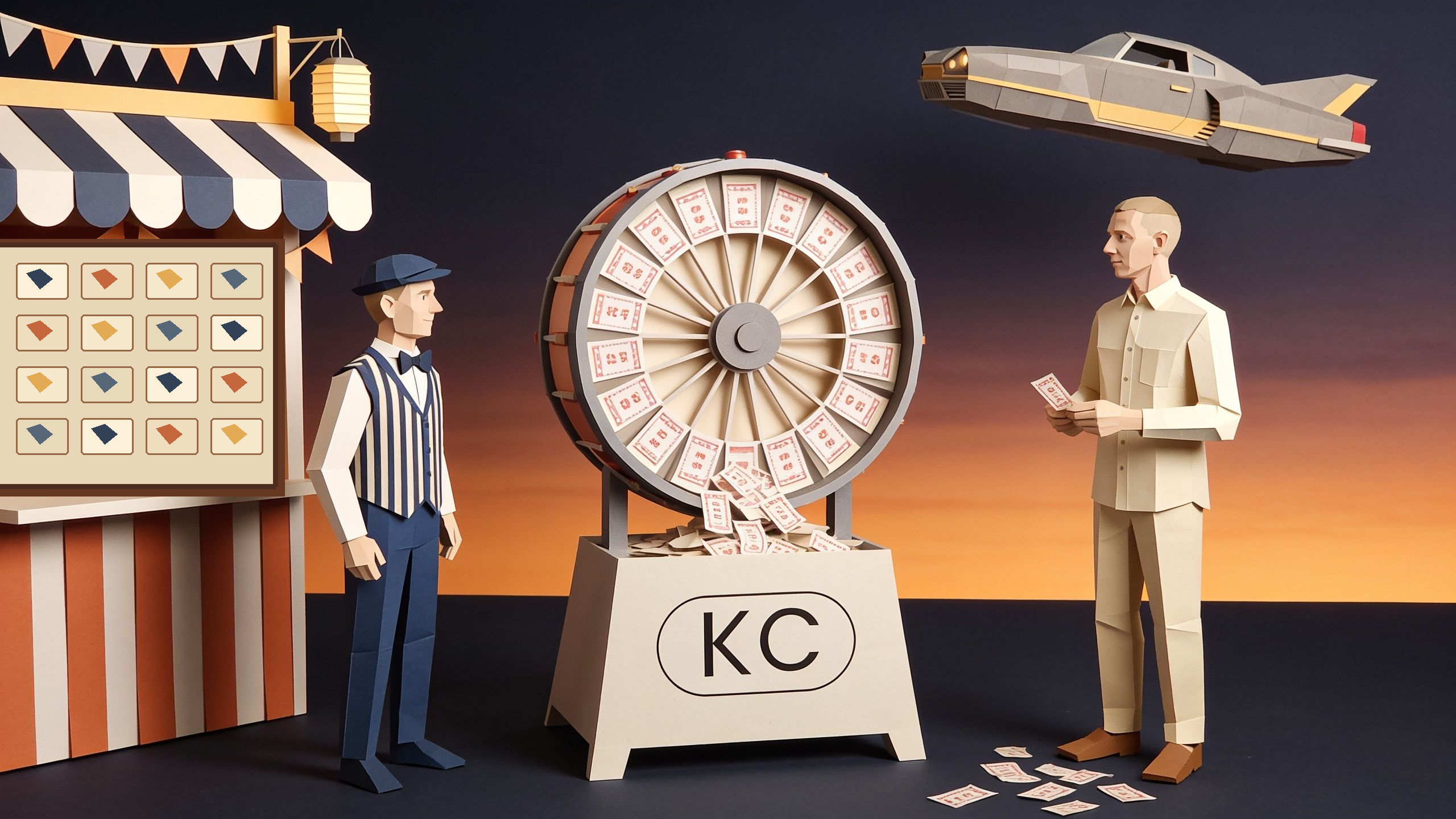
I'll tell you straight out: This is not a case. This is a lottery ticket that is shown by the winners (or those who want to appear like them). Losers do not publish their tickets.
There is nothing wrong with the best deal. Sold, well done. The question is, what of this can be taken into your business. And here comes the unpleasant thing: it happens that almost nothing.
One sale does not answer the main question of the system: will the result be repeated when this person is gone?
In production, this is considered calm and without romance. No one says, "our machine has turned out a great piece." They say: cycle time, marriage in pieces per thousand, loading in hours per shift. Because one good detail doesn't mean anything. Only repeatability and the required level of quality decide.
The one best deal is the event.
The system is when the result is reproduced by people with average qualifications, without luck, and preferably without you.
A company that lives on a hero, and it pays for it twice.
The first time is with money: the hero quickly understands his price and starts talking to you not as a productive employee, but as a rock star of the sales department.
The second time we pay, we don't know: your character has everything in his head. How he chooses who to talk to, what answers the objection about the price, why he calls on the third day after lunch. It's not written down anywhere. If he leaves, he will take this knowledge with him, and you have already paid for experiments so that this knowledge can be found.
At the same time, everything looks decent. The revenue is there, the plan is closing, the case is beautiful. The restriction is hidden. It comes out the moment you decide to grow: you take two new managers, and they give you many times less. And you conclude that people are bad. 99% of people are ordinary. There was simply nothing to pass on to them except formal knowledge without taking into account the specifics of your business.
Ready-made sets of phrases do not cure this. I used to worry about who they were calling at all and how quickly they answered.
When I analyze sales, I don't give out blanks. I lay out the client's path through the links and see where the whole chain breaks. We improve it, and the numbers move up on the same people, with the same words. Then we come up against the following limitation, and we work with it. The work is boring and not always pleasant, but repeatable and productive.
The first month or two after switching to the system, sales are likely to slip. The system always loses to luck first. This is the price for long-term success, not failure.
Test yourself in thirty seconds. Three questions, answer honestly, out loud:
The best deal of the month — did this person repeat the result in the next period?
How many days does it take on average from application to payment? Do you know the number or are you calculating?
If your strongest salesperson leaves on Friday, what of his knowledge will remain in the company in writing?
If you don't have an answer to at least one question, you don't have a sales system yet, but a series of successful tickets.
Каждый второй мини-кейс в ленте успешного успеха выглядит так: звонок, правильное коммерческое предложение, продажа на тысячи (миллионы).
Дальше приглашают на курс, где научат составлять такие же предложения. «Скопировал, вставил, продал».
Скажу прямо: это не кейс. Это лотерейный билет, который показывают победители (или те кто хотят такими казаться). Проигравшие свои билеты не публикуют.
Ничего плохого в самой лучшей сделке нет. Продали — молодцы. Вопрос в том, что из этого можно унести в свой бизнес. И вот тут выходит неприятное: бывает что почти ничего.
Одна продажа не отвечает на главный вопрос системы: повторится ли результат, когда этого человека не будет?
На производстве такое считают спокойно и без романтики. Никто не говорит «наш станок выточил отличную деталь». Говорят: время цикла, брак в штуках на тысячу, загрузка в часах за смену. Потому что одна хорошая деталь ничего не значит. Решает только повторяемость и нужный уровень качества.
Одна лучшая сделка это событие.
Система — это когда результат воспроизводится людьми средней квалификации, без везения и желательно без Вас.
Компания, которая живёт на герое, и она платит за это дважды.
Первый раз — деньгами: герой быстро понимает свою цену и начинает разговаривает с Вами уже не как результативный сотрудник, а как рок-звезда отдела продаж.
Второй раз мы платим — незнанием: у Вашего героя всё в голове. Как он выбирает, с кем разговаривать, что отвечает на возражение про цену, почему звонит именно на третий день после обеда. Это не записано нигде. Если он уйдёт, то унесёт это знание с собой, а Вы уже заплатили за эксперименты, чтобы это знание было найдено.
При этом внешне всё прилично. Выручка есть, план закрывается, кейс красивый. Ограничение спрятано. Оно вылезает в тот момент, когда вы решаете расти: берёте двух новых менеджеров, а они дают в разы меньше. И делаете вывод, что люди плохие. Люди в 99% обычные. Просто передавать им было нечего, кроме формальных знаний без учета специфики твоего бизнеса.
Готовые наборы фраз этого не лечат. Раньше рвётся: в том, кому вообще звонят и как быстро отвечают.
Когда разбираю продажи, я не раздаю заготовок. Раскладываю путь клиента по звеньям и смотрю, в каком месте рвется вся цепь. Улучшаем его — и цифры двигаются вверх на тех же людях, с теми же словами. Потом упираемся в следующее ограничение, и работаем с ним. Работа скучная и не всегда приятная, зато повторяемая и результативная.
Первые месяц-два после перехода на систему продажи с большой вероятностью просядут. Система всегда сначала проигрывает везению. Это цена за долгосрочный успех, а не провал.
Проверьте себя за тридцать секунд. Три вопроса, отвечать честно, вслух:
Лучшая сделка за месяц — повторил ли этот человек результат в следующем периоде?
Сколько дней в среднем проходит от заявки до оплаты? Знаете число или прикидываете?
Если Ваш сильнейший продавец уйдёт в пятницу, что из его знаний останется в компании в письменном виде?
Если хотя бы на один вопрос ответа нет — у вас пока не система продаж, а серия удачных билетов.

 Share