
The post has been translated automatically. Original language: Russian




Predictive medicine is one of the areas where IT is gradually changing the approach to treatment itself. While traditional medicine mainly reacts to symptoms that have already appeared, digital technologies allow us to look for signs of a possible disease in advance. Medical records, test results, examination data, genetic information, and artificial intelligence algorithms are used for this purpose.
The system can analyze a large amount of data and find patterns that are difficult for a person to notice. For example, a combination of certain indicators may indicate an increased risk of cardiovascular disease, diabetes, or other conditions. This creates the opportunity to start monitoring or prevention even before the problem becomes apparent to the patient.
The main advantage of this approach is the ability to move from treating the consequences to preventing the disease. If the doctor knows in advance about the increased risk, the patient may be recommended additional examinations, lifestyle changes, or regular follow-up. In some cases, this can actually increase the chances of earlier intervention.
But the prognosis is not equal to the diagnosis. Even if the algorithm estimates the probability of a disease as high, this does not mean that a person will necessarily get sick. The error also occurs in the opposite direction: the system may not notice the problem or assess the risk as low.
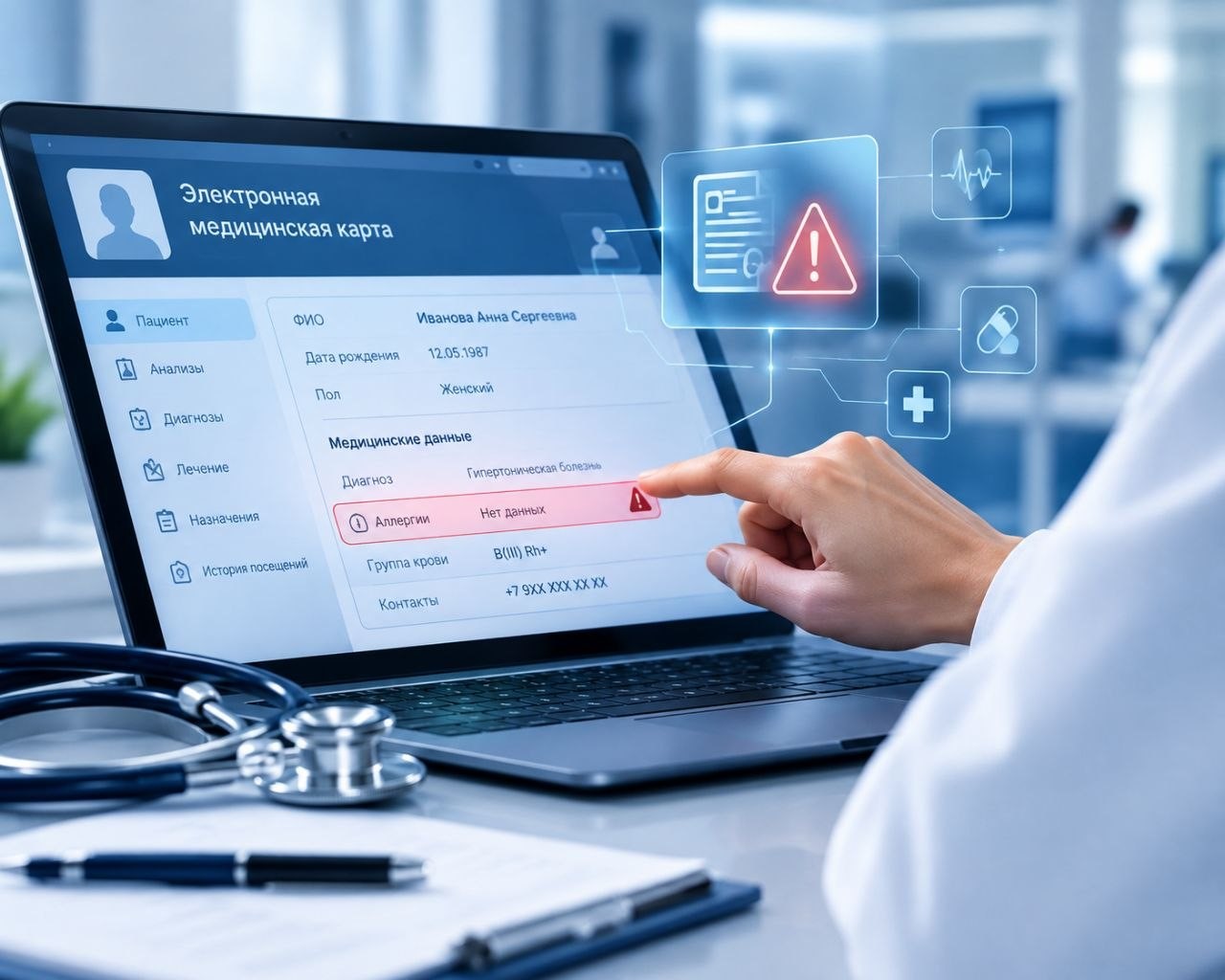
The quality of the data is of great importance. If there are omissions, errors, or outdated information in the electronic medical record, the algorithm will analyze exactly this data. As a result, the technology can produce a convincing but incorrect forecast.
There is another problem - a false alarm. If a person is informed of a high risk of illness without sufficient medical confirmation, this can lead to unnecessary examinations, stress, and self-treatment. Therefore, the results of predictive systems should be considered as an additional signal for the doctor, and not as a final conclusion.
The promise of predictive medicine is connected precisely with the combination of technology and clinical experience. The algorithm is able to quickly process huge amounts of information, and the doctor evaluates the result based on the patient's symptoms, medical history, and individual characteristics.
Predictive systems may become an important part of preventive medicine in the future. But their task is not to replace the doctor or predict the patient's fate, but to help them notice possible risks earlier. The sooner the problem is detected and confirmed by a specialist, the more opportunities there are for timely prevention and treatment.
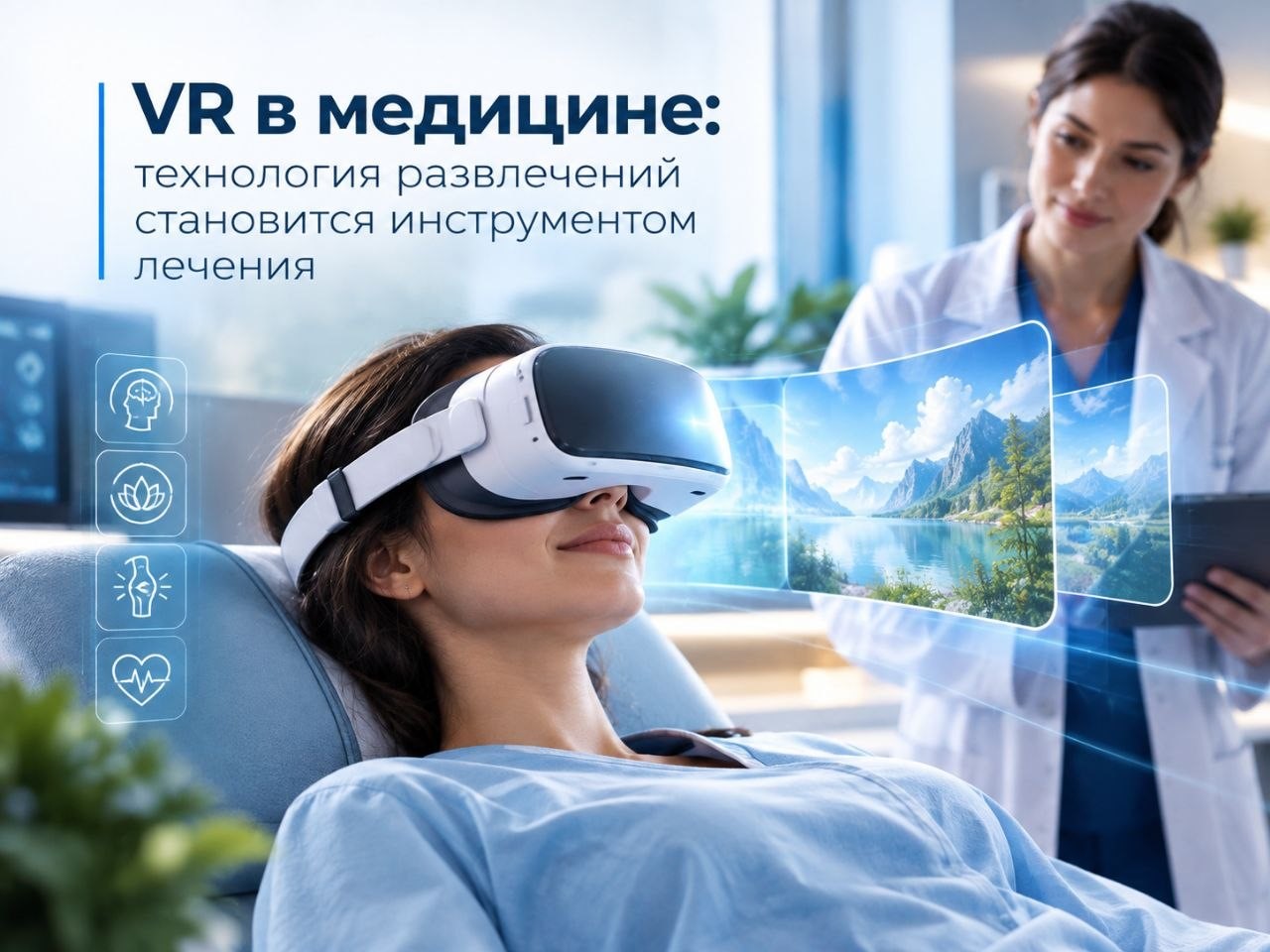
Виртуальная реальность долго воспринималась преимущественно как технология для игр и развлечений. Сегодня VR всё активнее используется в медицине — от обучения врачей до реабилитации пациентов и психологической терапии. Главная особенность технологии заключается в возможности создать контролируемую виртуальную среду, в которой человек может выполнять определённые действия и получать обратную связь.
Одно из наиболее очевидных применений VR — медицинское образование. Студенты и врачи могут тренироваться на виртуальных моделях, изучать анатомию и отрабатывать различные медицинские процедуры без риска для реального пациента. Такие симуляции позволяют многократно повторять сложные действия и учиться реагировать на нестандартные ситуации.
VR также используется в реабилитации. Виртуальные упражнения помогают пациентам тренировать движения, координацию и отдельные навыки после заболеваний или травм. Интерактивная среда может сделать занятия более вовлекающими и позволять специалисту отслеживать выполнение упражнений.
Ещё одно направление — работа с болью и психологическим состоянием. Виртуальная среда может переключать внимание пациента и использоваться в отдельных терапевтических подходах, в том числе при тревожных расстройствах, фобиях и посттравматических состояниях. Исследования также рассматривают VR как инструмент для персонализированной терапии.
Однако VR не является универсальным решением. У некоторых пользователей возникают головокружение, тошнота или так называемая «киберболезнь». Кроме того, оборудование требует правильной настройки, а медицинский персонал должен понимать, когда и каким пациентам такая технология действительно подходит.
Существует и проблема доказательности. Результаты исследований разных VR-систем не всегда можно напрямую сравнивать: отличаются устройства, программы, длительность занятий и группы пациентов. Поэтому для широкого внедрения технологии необходимы стандарты и качественные клинические исследования.
При правильном использовании VR становится не заменой врачу, а дополнительным инструментом. Он позволяет безопасно моделировать ситуации, которые невозможно или сложно воспроизвести в обычном кабинете, и делать реабилитацию более интерактивной.
В дальнейшем VR может стать частью обычного медицинского процесса — от подготовки специалистов до индивидуальных программ восстановления. Но ценность технологии определяется не эффектностью виртуального мира, а тем, насколько он действительно помогает пациенту получить более безопасное, эффективное и персонализированное лечение.
 Share