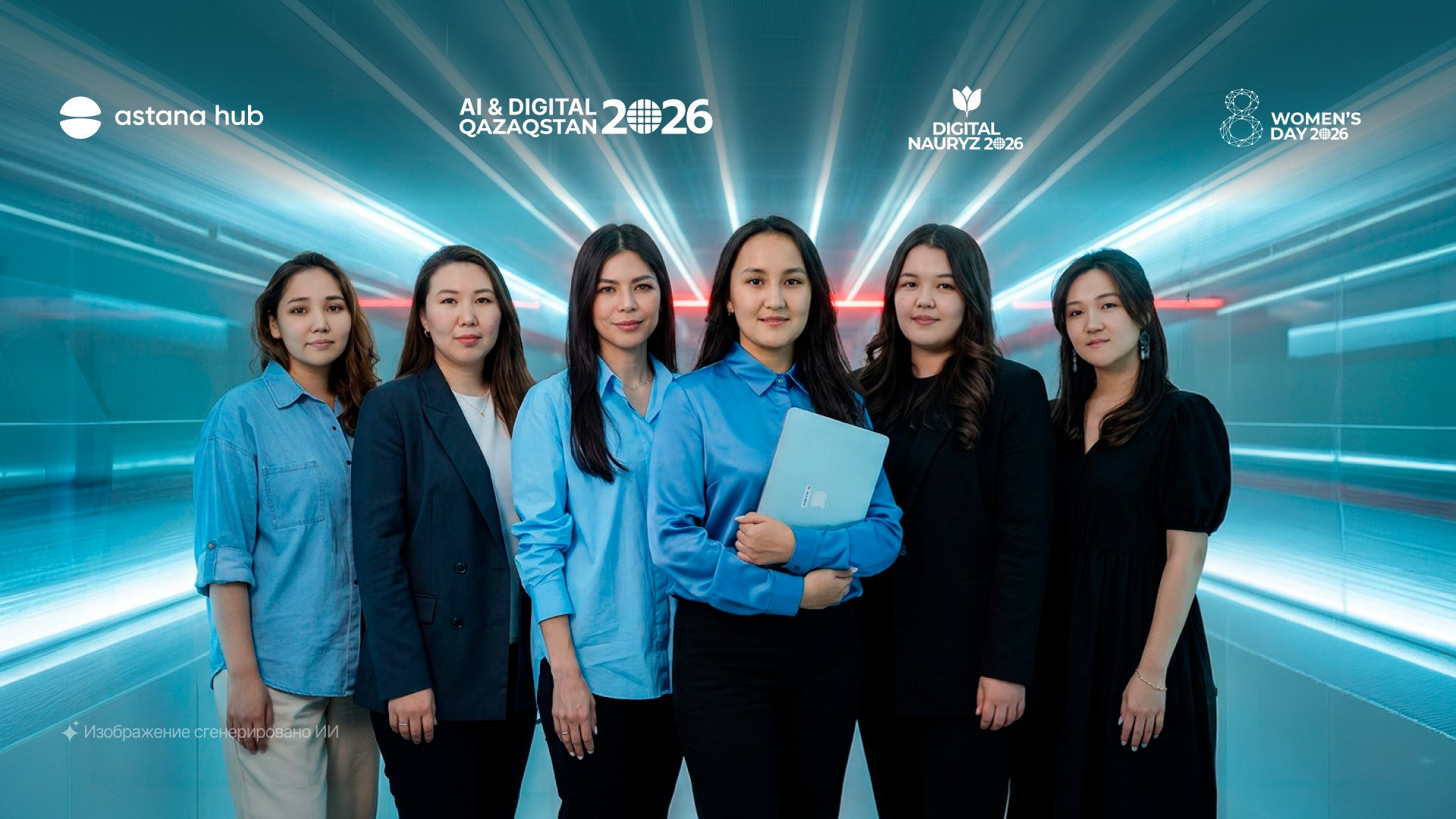





Behind these figures are teams, products, and technological solutions that are being applied across various sectors of the economy. These founders are launching innovative projects, developing digital services, and bringing their solutions to market.
One such example is the HealthTech startup AR Sana, led by Ainur Nuradil. The team is developing a digital early speech therapy system for children aged 1.5 to 6 years. The platform combines a game-based module for the child with a professional tool for speech therapists, enabling continued practice between in-person sessions and systematic progress tracking. This approach helps families maintain regular practice, while allowing specialists to design more precise therapy programs. Today, AR Sana’s solutions are being tested by more than 20 families; the platform is used by 5 speech therapy centers, 2 schools, and over 35 specialists. The project has received a grant of KZT 10 million from NU Impact Foundation and is preparing for scaling.
The founder of CheckDoc, Tota Smatova, is working to make healthcare services more accessible. The team is developing a digital platform that integrates lab testing, doctor consultations, and home visits by medical staff into a single service. Users can receive recommendations based on symptom analysis and quickly book appointments with specialists, while companies can integrate corporate healthcare programs for employees. One of the platform’s key features is an initial consultation via an AI assistant: the system collects medical history, records symptoms, generates preliminary recommendations, and suggests necessary tests even before a doctor visit. Over 3.5 years, more than 4,000 patients and around 10 corporate clients have used the service. The project has attracted approximately $300,000 in private and venture investment.
Kazakhstani startup solutions are also finding applications in professional sports. Mirai Tech develops deep-tech products based on artificial intelligence that help analyze athletes’ movements, reduce injury risks, and improve training efficiency. The startup has attracted $200,000 in private investment and won Astana Hub Battle at Digital Bridge 2025. The project’s founder, Gulnur Kalimuldina, was also included in the Top 30 Women Founders globally by the Aurora Tech Award.
Safety is the focus of the startup AMAN, founded by Aruzhan Mede. The team is building a comprehensive ecosystem for the digital and physical safety of children and educational institutions. The mobile application includes an SOS button with geolocation and audio transmission, as well as child safety monitoring features. A separate solution, AMAN AI, is designed for schools: it includes AI-powered video analytics, IoT sensors, and an alert system with direct transmission to law enforcement. Today, the app has been installed more than 20,000 times, with an active user base of around 11,000. The service is used by over 3,500 families, as well as more than 15 schools, partner organizations, and universities. The system is integrated with emergency services, with an average signal transmission and response time of about 4 seconds.
Another area where women-led Astana Hub projects are активно (actively) developing is healthcare digitalization. MacDent is building a SaaS+AI cloud platform to automate dental clinic operations — from patient records and appointment scheduling to financial management and analytics. Today, the service is used by more than 2,000 clinics and is gradually expanding into Central Asian markets, including Uzbekistan and Kyrgyzstan.
In 2025, the team reached the final of Astana Hub Battle at Digital Bridge, where the project was recognized as one of the most promising in the region. The founder, Makpal Orakkyzy, also became a winner of the Women in Tech Global Awards 2025 in Paris. Aidana Aituarova, founder of Porte Tech, is developing digital solutions for the hospitality industry. The startup is creating a digital concierge for hotels: the solution allows guests to complete online check-in, unlock rooms via smartphone, and order services without contacting reception. This helps hotels enhance service quality and optimize operations. Over the past year, the project has grown tenfold and expanded its geographic presence: in addition to Kazakhstan, its solutions have been introduced in Saudi Arabia and Uzbekistan.
These stories are about creation and impact. Women participants of Astana Hub are building projects that affect each of us — from faster access to medical care to safety in schools where our children study. They are bringing innovation to healthcare, education, and sports, demonstrating how technology can improve diverse aspects of everyday life.
Behind these figures are teams, products, and technological solutions that are being applied across various sectors of the economy. These founders are launching innovative projects, developing digital services, and bringing their solutions to market.
One such example is the HealthTech startup AR Sana, led by Ainur Nuradil. The team is developing a digital early speech therapy system for children aged 1.5 to 6 years. The platform combines a game-based module for the child with a professional tool for speech therapists, enabling continued practice between in-person sessions and systematic progress tracking. This approach helps families maintain regular practice, while allowing specialists to design more precise therapy programs. Today, AR Sana’s solutions are being tested by more than 20 families; the platform is used by 5 speech therapy centers, 2 schools, and over 35 specialists. The project has received a grant of KZT 10 million from NU Impact Foundation and is preparing for scaling.
The founder of CheckDoc, Tota Smatova, is working to make healthcare services more accessible. The team is developing a digital platform that integrates lab testing, doctor consultations, and home visits by medical staff into a single service. Users can receive recommendations based on symptom analysis and quickly book appointments with specialists, while companies can integrate corporate healthcare programs for employees. One of the platform’s key features is an initial consultation via an AI assistant: the system collects medical history, records symptoms, generates preliminary recommendations, and suggests necessary tests even before a doctor visit. Over 3.5 years, more than 4,000 patients and around 10 corporate clients have used the service. The project has attracted approximately $300,000 in private and venture investment.
Kazakhstani startup solutions are also finding applications in professional sports. Mirai Tech develops deep-tech products based on artificial intelligence that help analyze athletes’ movements, reduce injury risks, and improve training efficiency. The startup has attracted $200,000 in private investment and won Astana Hub Battle at Digital Bridge 2025. The project’s founder, Gulnur Kalimuldina, was also included in the Top 30 Women Founders globally by the Aurora Tech Award.
Safety is the focus of the startup AMAN, founded by Aruzhan Mede. The team is building a comprehensive ecosystem for the digital and physical safety of children and educational institutions. The mobile application includes an SOS button with geolocation and audio transmission, as well as child safety monitoring features. A separate solution, AMAN AI, is designed for schools: it includes AI-powered video analytics, IoT sensors, and an alert system with direct transmission to law enforcement. Today, the app has been installed more than 20,000 times, with an active user base of around 11,000. The service is used by over 3,500 families, as well as more than 15 schools, partner organizations, and universities. The system is integrated with emergency services, with an average signal transmission and response time of about 4 seconds.
Another area where women-led Astana Hub projects are активно (actively) developing is healthcare digitalization. MacDent is building a SaaS+AI cloud platform to automate dental clinic operations — from patient records and appointment scheduling to financial management and analytics. Today, the service is used by more than 2,000 clinics and is gradually expanding into Central Asian markets, including Uzbekistan and Kyrgyzstan.
In 2025, the team reached the final of Astana Hub Battle at Digital Bridge, where the project was recognized as one of the most promising in the region. The founder, Makpal Orakkyzy, also became a winner of the Women in Tech Global Awards 2025 in Paris. Aidana Aituarova, founder of Porte Tech, is developing digital solutions for the hospitality industry. The startup is creating a digital concierge for hotels: the solution allows guests to complete online check-in, unlock rooms via smartphone, and order services without contacting reception. This helps hotels enhance service quality and optimize operations. Over the past year, the project has grown tenfold and expanded its geographic presence: in addition to Kazakhstan, its solutions have been introduced in Saudi Arabia and Uzbekistan.
These stories are about creation and impact. Women participants of Astana Hub are building projects that affect each of us — from faster access to medical care to safety in schools where our children study. They are bringing innovation to healthcare, education, and sports, demonstrating how technology can improve diverse aspects of everyday life.

 Share
Share