





The new hub will serve as a strategic platform for B2B tech startups from Central Eurasia, enabling “soft landing” access to high-growth SEA markets, including Malaysia, Singapore, and other countries in the region. The initiative significantly expands the geographic scope and ambitions of the partners, building a structured bridge between the Central Eurasian and Southeast Asian innovation ecosystems.
“The new hub brings together entrepreneurs, corporations, and investors, creating an ecosystem that provides startups with access to a large and fast-growing Southeast Asian market. We see strong interest in the SEA region from IT Park Uzbekistan residents and startups across the region. Many companies already consider these countries a priority for international expansion. This hub will allow them not only to test their solutions but also to move toward real implementation and sustainable growth,” said First Deputy CEO of IT Park Uzbekistan, Jahongir Radjabov.
The hub will provide startups with comprehensive support, ranging from legal and business adaptation to access to pilot projects with large corporations, investors, mentorship programs, and business missions. Special emphasis will be placed on converting pilots into commercial contracts and attracting local investment.
“The launch of the SEA hub is a logical continuation of our strategy to globalize Central Asian startups. We have already jointly opened hubs in Dubai and Shanghai, and this new initiative is the next step in expanding our international presence. We are building not just a presence point, but a full-scale infrastructure for entering one of the world’s most dynamic tech markets. This will give our startups access to new customers, partners, and investments, while strengthening the region’s integration into the global innovation ecosystem,” said Managing Director of Astana Hub, Tanat Uskembayev.

The initiative is expected to direct selected high-potential startups with market-ready products into the hub. Beyond expansion support, it also aims to create a two-way flow of innovation by attracting SEA startups to Kazakhstan and Uzbekistan, enabling joint R&D projects, and fostering technology transfer.
“At Big Sky Capital, we see enormous untapped potential in strengthening ties between the rapidly growing markets of Central and Southeast Asia. By building this hub in Malaysia, we are creating a critical bridge that enables our portfolio companies and regional talent to scale into one of the world’s most dynamic digital economies. We will leverage our expertise in go-to-market strategy and B2B SaaS development to ensure that innovations from Central Asia achieve sustainable and long-term presence in the Southeast Asian ecosystem,” said Managing Partner of Big Sky Capital, Adil Nurgozhin.
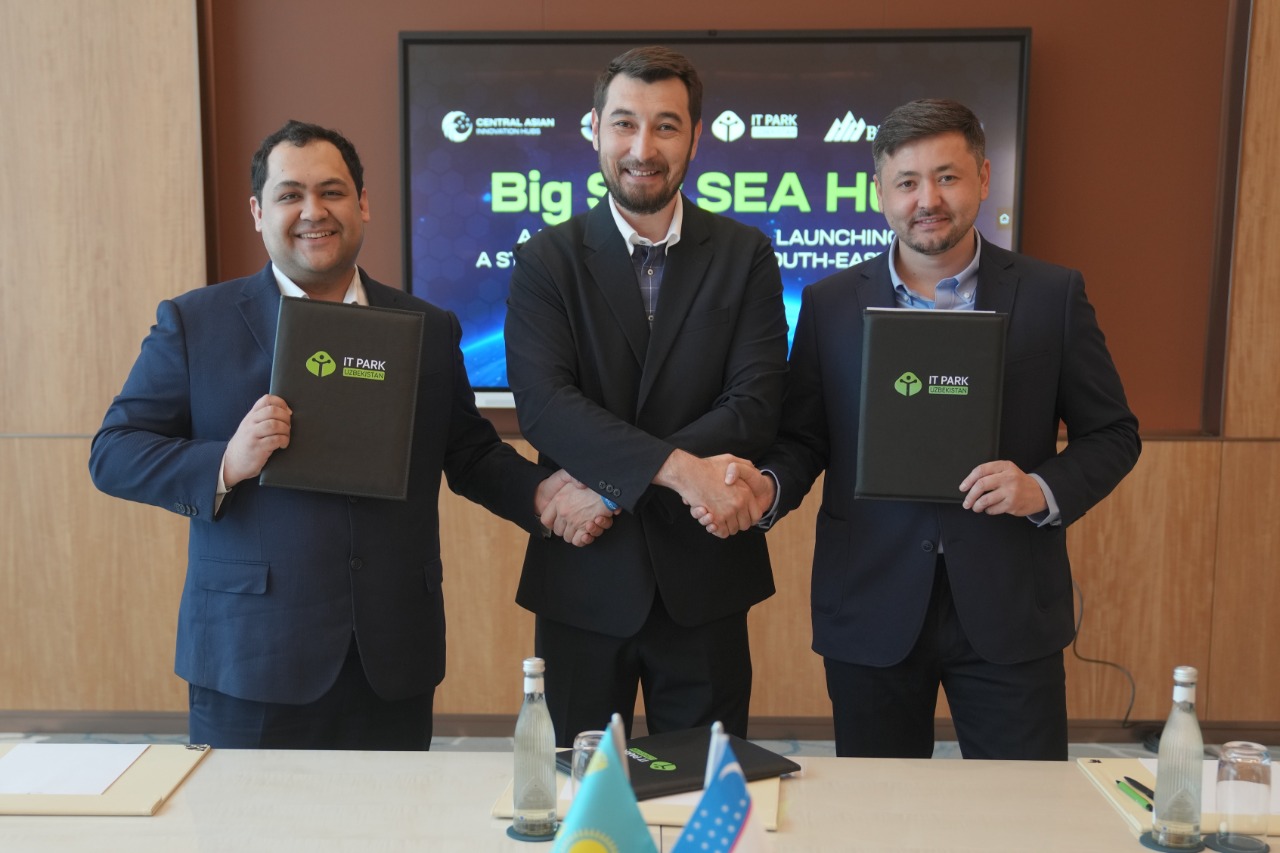
The memorandum establishes a framework for long-term cooperation in startup support, venture capital attraction, IT and AI export development, and the launch of joint educational and acceleration programs.
The launch of the hub is expected to become a major step in positioning Central Asia as an emerging exporter of technology solutions and will strengthen the global presence of regional companies.
The new hub will serve as a strategic platform for B2B tech startups from Central Eurasia, enabling “soft landing” access to high-growth SEA markets, including Malaysia, Singapore, and other countries in the region. The initiative significantly expands the geographic scope and ambitions of the partners, building a structured bridge between the Central Eurasian and Southeast Asian innovation ecosystems.
“The new hub brings together entrepreneurs, corporations, and investors, creating an ecosystem that provides startups with access to a large and fast-growing Southeast Asian market. We see strong interest in the SEA region from IT Park Uzbekistan residents and startups across the region. Many companies already consider these countries a priority for international expansion. This hub will allow them not only to test their solutions but also to move toward real implementation and sustainable growth,” said First Deputy CEO of IT Park Uzbekistan, Jahongir Radjabov.
The hub will provide startups with comprehensive support, ranging from legal and business adaptation to access to pilot projects with large corporations, investors, mentorship programs, and business missions. Special emphasis will be placed on converting pilots into commercial contracts and attracting local investment.
“The launch of the SEA hub is a logical continuation of our strategy to globalize Central Asian startups. We have already jointly opened hubs in Dubai and Shanghai, and this new initiative is the next step in expanding our international presence. We are building not just a presence point, but a full-scale infrastructure for entering one of the world’s most dynamic tech markets. This will give our startups access to new customers, partners, and investments, while strengthening the region’s integration into the global innovation ecosystem,” said Managing Director of Astana Hub, Tanat Uskembayev.
The initiative is expected to direct selected high-potential startups with market-ready products into the hub. Beyond expansion support, it also aims to create a two-way flow of innovation by attracting SEA startups to Kazakhstan and Uzbekistan, enabling joint R&D projects, and fostering technology transfer.
“At Big Sky Capital, we see enormous untapped potential in strengthening ties between the rapidly growing markets of Central and Southeast Asia. By building this hub in Malaysia, we are creating a critical bridge that enables our portfolio companies and regional talent to scale into one of the world’s most dynamic digital economies. We will leverage our expertise in go-to-market strategy and B2B SaaS development to ensure that innovations from Central Asia achieve sustainable and long-term presence in the Southeast Asian ecosystem,” said Managing Partner of Big Sky Capital, Adil Nurgozhin.
The memorandum establishes a framework for long-term cooperation in startup support, venture capital attraction, IT and AI export development, and the launch of joint educational and acceleration programs.
The launch of the hub is expected to become a major step in positioning Central Asia as an emerging exporter of technology solutions and will strengthen the global presence of regional companies.

 Share
Share