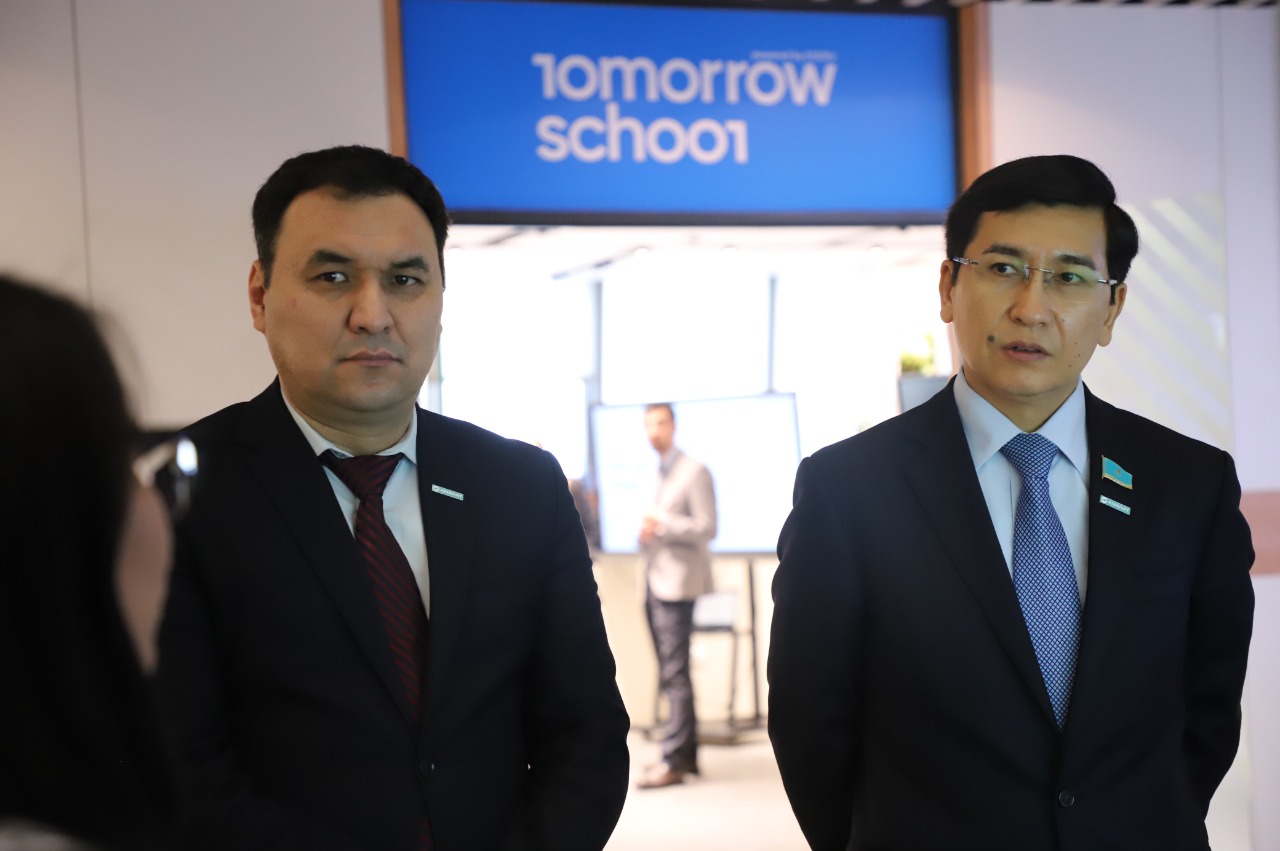





During the visit, Astana Hub CEO Magzhan Madiyev introduced the deputy to the hub’s ecosystem and its core areas of activity — ranging from tech talent development to the support and scaling of technology startups.
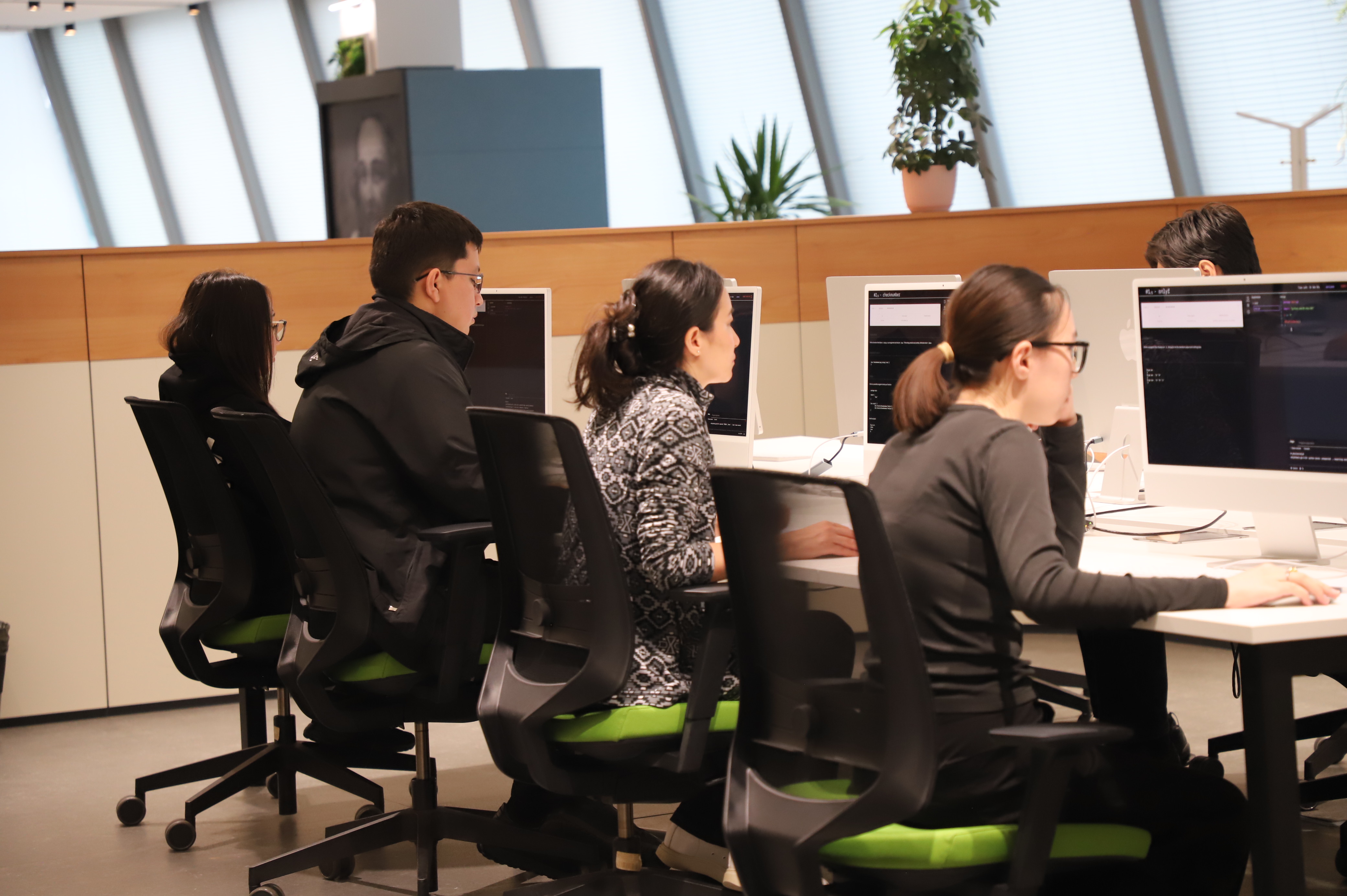
One of the key highlights of the visit was Tomorrow School, Kazakhstan’s first peer-to-peer artificial intelligence school. The school operates under the 01 Edu methodology developed by French programmer and educator Nicolas Sadirac. Aspiring tech professionals study more than 20 programming languages, including Python, JavaScript, Golang, and Rust. Tuition at the school is fully free of charge.

The Mazhilis deputy was also presented with a number of projects that are already successfully operating both in Kazakhstan and on international markets:
Smartestprep — an all-in-one AI-powered platform helping international students gain admission to universities worldwide;
Ustem Foundation — a public foundation advancing STEM education in Kazakhstan and Central Asia;
TrustExam — a digital exam proctoring and certification monitoring system;
inDrive — a global platform offering transportation and urban services.

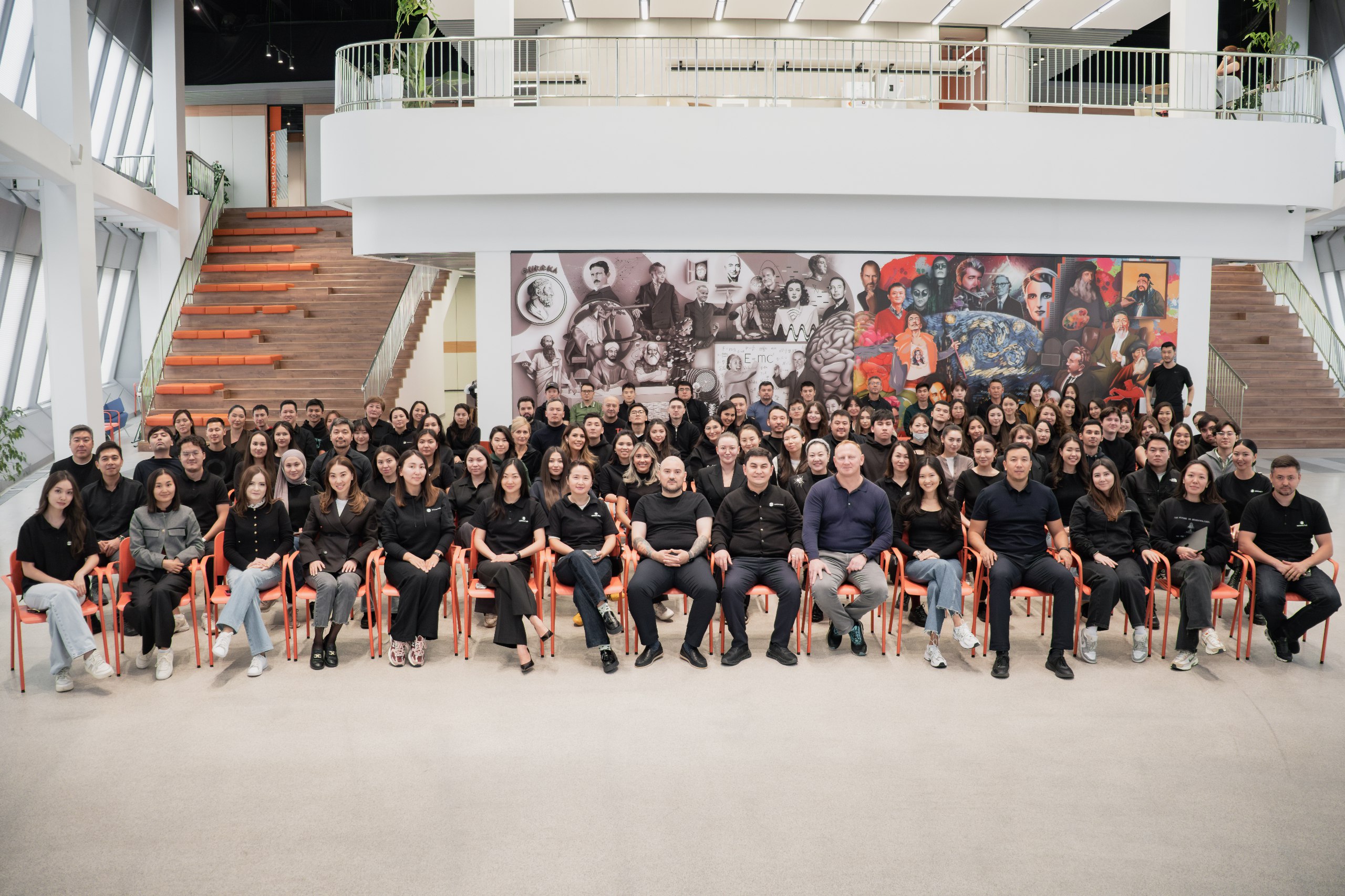
Today, Astana Hub is home to more than 2,000 tech companies, including over 490 foreign-owned businesses. Participants benefit from tax and visa incentives, business development programs, educational support, and modern infrastructure. Astana Hub continues to strengthen its position as a key driver of digital innovation in the region, bringing government, business, and technology together within a single ecosystem.
During the visit, Astana Hub CEO Magzhan Madiyev introduced the deputy to the hub’s ecosystem and its core areas of activity — ranging from tech talent development to the support and scaling of technology startups.
One of the key highlights of the visit was Tomorrow School, Kazakhstan’s first peer-to-peer artificial intelligence school. The school operates under the 01 Edu methodology developed by French programmer and educator Nicolas Sadirac. Aspiring tech professionals study more than 20 programming languages, including Python, JavaScript, Golang, and Rust. Tuition at the school is fully free of charge.
The Mazhilis deputy was also presented with a number of projects that are already successfully operating both in Kazakhstan and on international markets:
Smartestprep — an all-in-one AI-powered platform helping international students gain admission to universities worldwide;
Ustem Foundation — a public foundation advancing STEM education in Kazakhstan and Central Asia;
TrustExam — a digital exam proctoring and certification monitoring system;
inDrive — a global platform offering transportation and urban services.
Today, Astana Hub is home to more than 2,000 tech companies, including over 490 foreign-owned businesses. Participants benefit from tax and visa incentives, business development programs, educational support, and modern infrastructure. Astana Hub continues to strengthen its position as a key driver of digital innovation in the region, bringing government, business, and technology together within a single ecosystem.

 Share
Share