





The “presentation + demo” format allowed the market to see real tools that the government provides to accelerate technological development and act as a service partner for developers, granting access to what is essential for AI creation — high-quality government data and the infrastructure required to process it.
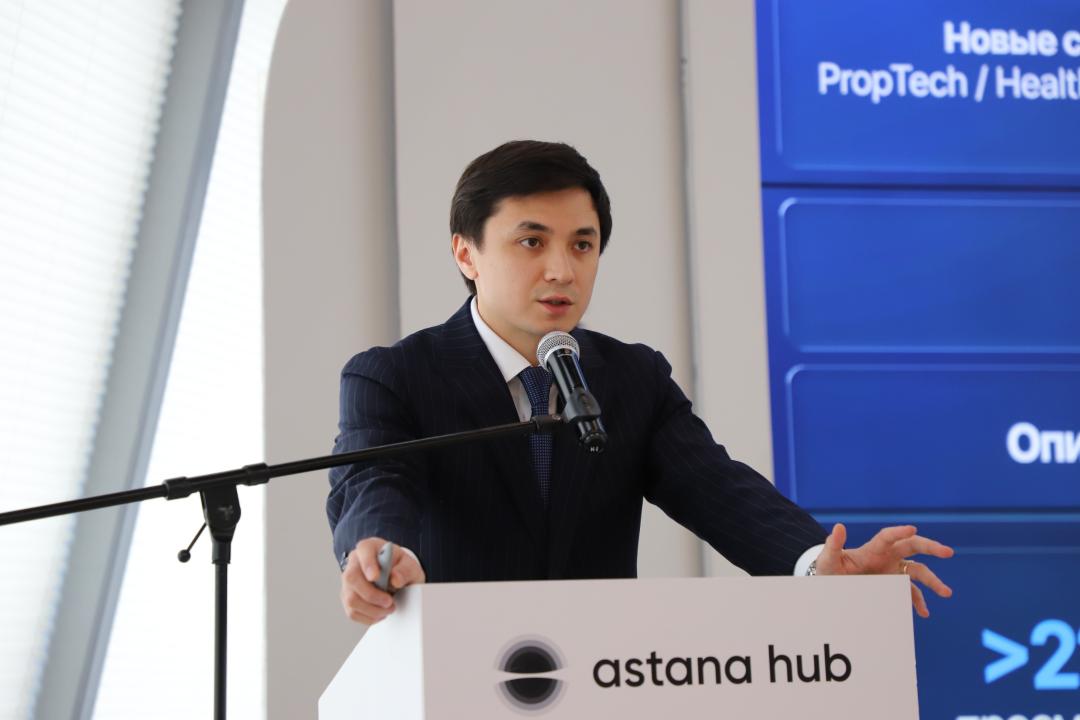
Vice Minister Dmitry Mun noted that the ministry aims to remove any barriers between government information resources and developer teams. Startups and companies can now not only use ready-made datasets but also directly request specific data from the ministry tailored to their product needs. According to Dmitry Mun, if a model requires specialized data for training, developers can submit a request, and the ministry will assist in preparing the necessary dataset. A key tool for this is the Ashyq Data portal, developed by the ministry in partnership with National Information Technologies JSC, where nearly 200 datasets are already available in open access — ranging from real estate analytics to medical indicators, including 73 exclusive datasets published for the first time. The data is updated weekly and provided free of charge. Vice Minister Dmitry Mun described the portal as a centralized “showcase” of anonymized data integrating more than 120 government databases.
However, building advanced AI products requires not only data but also the capacity to process it. To support developers, Ilyas Makashev, Advisor to the CEO of Astana Hub, presented the AlemLLM platform. This service enables companies to access computing resources for training neural networks through a user-friendly application system. During the meeting, a live demonstration showed how quickly developers can register and begin using the platform’s resources for their projects.

The meeting also addressed where AI can be applied within government in the coming years. Aliya Ospanova, CEO of the Digital Government Support Center, shared plans for the digitalization of public services over the next three years. This helps businesses understand which solutions will be in demand and which challenges are currently most relevant for the country.
“Our key objective is to ensure transparency in the field of digitalization and provide equal access to data for the entire IT market. We have published ready-made and already developed business processes, as well as approved IT plans of government agencies. Now every IT company has the opportunity to see which data (attributes) of government bodies have been digitized and which have not yet been digitized,” noted Aliya Ospanova.
The meeting concluded with a dynamic discussion: representatives of the IT business community were able to ask speakers their most pressing questions. Participants were particularly interested in the technical aspects of accessing data, mechanisms of cooperation, and practical steps for launching joint pilot projects. The speakers provided detailed responses to each inquiry, emphasizing that such meetings will become regular. This dialogue demonstrated that the government is ready to act as a reliable provider of resources for the market, making the path from idea to a functioning AI service in Kazakhstan significantly shorter and more transparent for all stakeholders.
Source: Ministry of Artificial Intelligence and Digital Development of the Republic of Kazakhstan

The “presentation + demo” format allowed the market to see real tools that the government provides to accelerate technological development and act as a service partner for developers, granting access to what is essential for AI creation — high-quality government data and the infrastructure required to process it.
Vice Minister Dmitry Mun noted that the ministry aims to remove any barriers between government information resources and developer teams. Startups and companies can now not only use ready-made datasets but also directly request specific data from the ministry tailored to their product needs. According to Dmitry Mun, if a model requires specialized data for training, developers can submit a request, and the ministry will assist in preparing the necessary dataset. A key tool for this is the Ashyq Data portal, developed by the ministry in partnership with National Information Technologies JSC, where nearly 200 datasets are already available in open access — ranging from real estate analytics to medical indicators, including 73 exclusive datasets published for the first time. The data is updated weekly and provided free of charge. Vice Minister Dmitry Mun described the portal as a centralized “showcase” of anonymized data integrating more than 120 government databases.
However, building advanced AI products requires not only data but also the capacity to process it. To support developers, Ilyas Makashev, Advisor to the CEO of Astana Hub, presented the AlemLLM platform. This service enables companies to access computing resources for training neural networks through a user-friendly application system. During the meeting, a live demonstration showed how quickly developers can register and begin using the platform’s resources for their projects.
The meeting also addressed where AI can be applied within government in the coming years. Aliya Ospanova, CEO of the Digital Government Support Center, shared plans for the digitalization of public services over the next three years. This helps businesses understand which solutions will be in demand and which challenges are currently most relevant for the country.
“Our key objective is to ensure transparency in the field of digitalization and provide equal access to data for the entire IT market. We have published ready-made and already developed business processes, as well as approved IT plans of government agencies. Now every IT company has the opportunity to see which data (attributes) of government bodies have been digitized and which have not yet been digitized,” noted Aliya Ospanova.
The meeting concluded with a dynamic discussion: representatives of the IT business community were able to ask speakers their most pressing questions. Participants were particularly interested in the technical aspects of accessing data, mechanisms of cooperation, and practical steps for launching joint pilot projects. The speakers provided detailed responses to each inquiry, emphasizing that such meetings will become regular. This dialogue demonstrated that the government is ready to act as a reliable provider of resources for the market, making the path from idea to a functioning AI service in Kazakhstan significantly shorter and more transparent for all stakeholders.
Source: Ministry of Artificial Intelligence and Digital Development of the Republic of Kazakhstan

 Share
Share