




Kazakhstan’s participation marks the start of a systematic rollout of ChatGPT Edu, a specialized educational version of artificial intelligence, across the country’s national education system. Kazakhstan has become the first country in Central Asia to join this international program.
Participation in Edu for Countries carries strategic importance for Kazakhstan’s education policy. Amid global discussions on the impact of artificial intelligence on learning, Kazakhstan takes the position that AI does not replace teachers, but enhances their professional capabilities. The use of ChatGPT Edu is aimed at reducing administrative and methodological workload for educators and creating conditions for more effective and personalized learning.
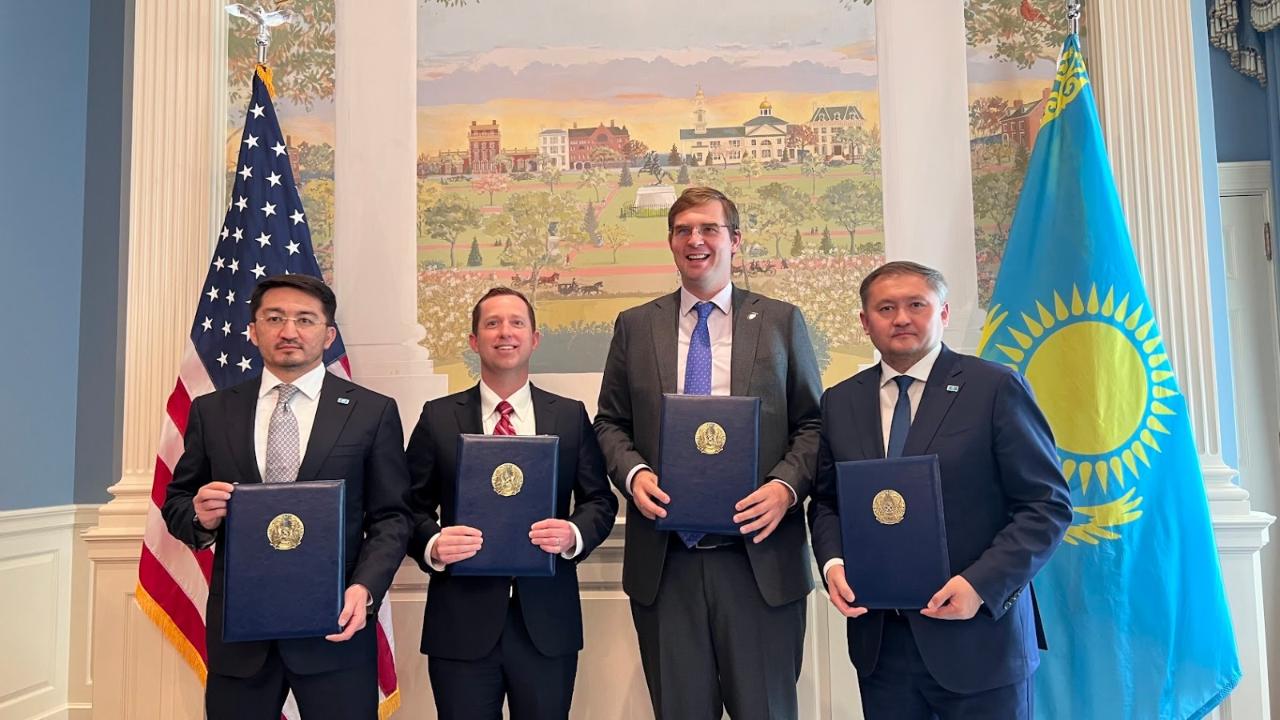
The initiative is being implemented under agreements reached following a Memorandum of Cooperation signed on November 6, 2025, during the Head of State’s visit to the United States. The main agreement was signed by OpenAI, Inc., Freedom Holding Corp., and the regional partner Bilim Group. The project is funded through private investment, without the use of state budget resources or external grants, highlighting strong support from the business community.
“Kazakhstan’s entry into the first international cohort of Edu for Countries takes place during the Year of Artificial Intelligence and Digitalization and reflects our systemic approach to integrating AI into key sectors. We view ChatGPT Edu as a practical tool to support educators and strengthen the research environment. The program is being implemented in line with national education standards, security requirements, and the principle of equal access,” said Zhaslan Madiyev, Deputy Prime Minister and Minister of Artificial Intelligence and Digital Development of the Republic of Kazakhstan.
As part of the rollout of ChatGPT Edu in Kazakhstan, 165,000 licenses will be provided free of charge to educational institutions nationwide, including:
-
100,000 licenses for teachers in preschool, secondary, technical, and vocational education;
-
62,800 licenses for faculty members and administrative staff in higher and postgraduate education;
-
2,200 licenses for members of the Astana Hub ecosystem.
“We see our partnership with OpenAI as a unique project that will help shape a model of future education, and we view ChatGPT Edu as a comprehensive solution for universities that strengthens the capabilities of educators and researchers rather than replacing them. Artificial intelligence is not a substitute for humans—it is a tool that enhances thinking when used with critical understanding and a responsible culture of adoption. In education and science, AI makes it possible to accelerate the preparation of learning materials, improve the quality of feedback to students, and unlock new opportunities for research. This is a key element in building a competitive, AI-literate academic environment in Kazakhstan. Kazakhstan’s focus is not on automating education, but on expanding human potential. We are not training users of artificial intelligence—we are training its creators,” emphasized Sayasat Nurbek, Minister of Science and Higher Education of the Republic of Kazakhstan.
“We view the integration of artificial intelligence into the education system as a strategic step to strengthen the role of teachers. AI becomes a support tool, taking on some of the non-teaching tasks. Solutions like ChatGPT Edu serve as intelligent assistants that expand educators’ capabilities and strengthen an individualized approach for every learner. Artificial intelligence is not a source of ready-made answers—it is a resource for developing critical thinking, responsibility, and digital culture. It helps educators quickly create differentiated learning materials for students with varying levels of preparedness, improve the effectiveness of feedback, and develop learners’ skills in working with modern technologies.
For Kazakhstan, it is especially important to nurture not passive consumers of AI, but a generation capable of engaging with it consciously, critically, and creatively. Our goal is to develop human capital and build an education environment ready for the challenges of the future,” said Zh. Suleimenova, Minister of Education of the Republic of Kazakhstan.
ChatGPT Edu provides educators with tools for preparing teaching materials, assignments, and tests; adapting content to learners’ proficiency levels; and creating materials in Kazakh, Russian, and English. When reviewing student work, the system can be used to develop evaluation criteria and generate feedback, while all grading-related decisions remain fully within the teacher’s authority.
Starting in January 2026, regular training sessions will be organized jointly with OpenAI specialists to support users in applying ChatGPT Edu in educational, administrative, and research activities. This will ensure consistent approaches to AI use and strengthen digital and AI literacy among educators.
Educational institutions will also be provided with a dedicated secure workspace to enable collaboration and ensure compliance with the Republic of Kazakhstan’s legislation on information security and personal data protection.
“Astana Hub places strong emphasis on developing human capital and building a sustainable technology ecosystem. The innovation cluster offers incubation and acceleration programs for startup founders aimed at team growth and product development at various stages, while educational initiatives focus on preparing highly qualified specialists. Joining the Edu for Countries initiative and gaining access to ChatGPT Edu expands learning opportunities for students of the peer-to-peer Tomorrow School and the Tech Orda program, helping them develop AI competencies and apply artificial intelligence technologies in practice,” said Valeriya Tyo, Managing Director of Astana Hub.
International experience from the implementation of ChatGPT Edu in leading educational institutions demonstrates increased student engagement, improved quality of learning materials, and better time efficiency for educators. These results will be leveraged as Kazakhstan gradually rolls out the technology across its education system.
Learn more here.
Kazakhstan’s participation marks the start of a systematic rollout of ChatGPT Edu, a specialized educational version of artificial intelligence, across the country’s national education system. Kazakhstan has become the first country in Central Asia to join this international program.
Participation in Edu for Countries carries strategic importance for Kazakhstan’s education policy. Amid global discussions on the impact of artificial intelligence on learning, Kazakhstan takes the position that AI does not replace teachers, but enhances their professional capabilities. The use of ChatGPT Edu is aimed at reducing administrative and methodological workload for educators and creating conditions for more effective and personalized learning.
The initiative is being implemented under agreements reached following a Memorandum of Cooperation signed on November 6, 2025, during the Head of State’s visit to the United States. The main agreement was signed by OpenAI, Inc., Freedom Holding Corp., and the regional partner Bilim Group. The project is funded through private investment, without the use of state budget resources or external grants, highlighting strong support from the business community.
“Kazakhstan’s entry into the first international cohort of Edu for Countries takes place during the Year of Artificial Intelligence and Digitalization and reflects our systemic approach to integrating AI into key sectors. We view ChatGPT Edu as a practical tool to support educators and strengthen the research environment. The program is being implemented in line with national education standards, security requirements, and the principle of equal access,” said Zhaslan Madiyev, Deputy Prime Minister and Minister of Artificial Intelligence and Digital Development of the Republic of Kazakhstan.
As part of the rollout of ChatGPT Edu in Kazakhstan, 165,000 licenses will be provided free of charge to educational institutions nationwide, including:
-
100,000 licenses for teachers in preschool, secondary, technical, and vocational education;
-
62,800 licenses for faculty members and administrative staff in higher and postgraduate education;
-
2,200 licenses for members of the Astana Hub ecosystem.
“We see our partnership with OpenAI as a unique project that will help shape a model of future education, and we view ChatGPT Edu as a comprehensive solution for universities that strengthens the capabilities of educators and researchers rather than replacing them. Artificial intelligence is not a substitute for humans—it is a tool that enhances thinking when used with critical understanding and a responsible culture of adoption. In education and science, AI makes it possible to accelerate the preparation of learning materials, improve the quality of feedback to students, and unlock new opportunities for research. This is a key element in building a competitive, AI-literate academic environment in Kazakhstan. Kazakhstan’s focus is not on automating education, but on expanding human potential. We are not training users of artificial intelligence—we are training its creators,” emphasized Sayasat Nurbek, Minister of Science and Higher Education of the Republic of Kazakhstan.
“We view the integration of artificial intelligence into the education system as a strategic step to strengthen the role of teachers. AI becomes a support tool, taking on some of the non-teaching tasks. Solutions like ChatGPT Edu serve as intelligent assistants that expand educators’ capabilities and strengthen an individualized approach for every learner. Artificial intelligence is not a source of ready-made answers—it is a resource for developing critical thinking, responsibility, and digital culture. It helps educators quickly create differentiated learning materials for students with varying levels of preparedness, improve the effectiveness of feedback, and develop learners’ skills in working with modern technologies.
For Kazakhstan, it is especially important to nurture not passive consumers of AI, but a generation capable of engaging with it consciously, critically, and creatively. Our goal is to develop human capital and build an education environment ready for the challenges of the future,” said Zh. Suleimenova, Minister of Education of the Republic of Kazakhstan.
ChatGPT Edu provides educators with tools for preparing teaching materials, assignments, and tests; adapting content to learners’ proficiency levels; and creating materials in Kazakh, Russian, and English. When reviewing student work, the system can be used to develop evaluation criteria and generate feedback, while all grading-related decisions remain fully within the teacher’s authority.
Starting in January 2026, regular training sessions will be organized jointly with OpenAI specialists to support users in applying ChatGPT Edu in educational, administrative, and research activities. This will ensure consistent approaches to AI use and strengthen digital and AI literacy among educators.
Educational institutions will also be provided with a dedicated secure workspace to enable collaboration and ensure compliance with the Republic of Kazakhstan’s legislation on information security and personal data protection.
“Astana Hub places strong emphasis on developing human capital and building a sustainable technology ecosystem. The innovation cluster offers incubation and acceleration programs for startup founders aimed at team growth and product development at various stages, while educational initiatives focus on preparing highly qualified specialists. Joining the Edu for Countries initiative and gaining access to ChatGPT Edu expands learning opportunities for students of the peer-to-peer Tomorrow School and the Tech Orda program, helping them develop AI competencies and apply artificial intelligence technologies in practice,” said Valeriya Tyo, Managing Director of Astana Hub.
International experience from the implementation of ChatGPT Edu in leading educational institutions demonstrates increased student engagement, improved quality of learning materials, and better time efficiency for educators. These results will be leveraged as Kazakhstan gradually rolls out the technology across its education system.
Learn more here.

 Share
Share