




The company has developed an intelligent platform that helps healthcare organizations maintain documentation in compliance with the orders of the Ministry of Health and clinical protocols of Kazakhstan. The system analyzes records within seconds and reduces manual review time by up to 95%, allowing doctors to focus on patients rather than paperwork. The platform’s key focus is to keep clinics informed about current standards and regulatory requirements. The result is higher-quality medical documentation and, consequently, improved quality of care.
To date, the platform has processed tens of millions of medical records. More than 30 clinics in Kazakhstan, including the country’s largest networks, use the product. Defect AI is ISO 27001 certified and compliant with HIPAA requirements.
Drawing on global best practices, the team has integrated a smart search function into the platform: doctors can instantly access detailed treatment guidance based on official Ministry of Health documents instead of manually reviewing lengthy regulatory texts. The solution was inspired by the OpenEvidence platform — the Defect AI team met with its founder at Stanford.
In international markets, the project operates under the brand Rette — derived from the Kazakh word “retteu,” meaning “to organize” or “to put in order.” The name reflects the product’s essence: an AI assistant that helps healthcare organizations systematically streamline documentation using artificial intelligence, enabling them to process significantly larger volumes of medical records without compromising quality or hiring additional staff.
Experience in Kazakhstan has given the team deep insight into how healthcare systems operate internally. However, the U.S. market differs fundamentally: it is the largest healthcare system in the world, with an annual volume of approximately $5 trillion, and the number of health insurance organizations exceeds that of Kazakhstan by thousands of times. At the end of 2025, the company closed its first funding round. The team is now actively developing the platform for the U.S. market and onboarding its first American clients. The next investment round is planned for mid-spring 2026.
The core team is based in Kazakhstan, with additional team members located in the United States, Japan, the United Kingdom, and Germany. The team includes professionals with experience at Meta, Google, and Microsoft. Thanks to established ties with Stanford University, the company regularly consults with professors at the forefront of the field.

With the support of StartX, the team has formed an Advisory Board that includes practicing physicians, healthcare investors, founders with successful exits, and technical experts with experience in implementing healthcare projects.
“Getting into StartX is a dream for thousands of entrepreneurs worldwide. We applied four times before being accepted into the Spring 2026 cohort, and that journey strengthened our team. Since we always intended to build a product for international markets, we decided to join Astana Hub. We established strong collaboration with the Astana Hub team back during our previous startup, Sheberkhana — a prototyping lab. We are also grateful to Astana Hub Ventures for their support and investment in our project. Our mission is to simplify administrative processes in healthcare, make incentive systems fairer, and improve the quality of medical care,” said Defect AI co-founder Sanzhar Myrzaghalym.

According to the founders, StartX operates in an intensive format. Its key distinction is its community-driven culture. Each founder can rely on support from a broad network of entrepreneurs who have gone through StartX over the years, while also contributing to and supporting others.
Selection for the Spring cohort included multiple stages of technological and business evaluation and was supported by Astana Business Campus and Nazarbayev University. Participation in the program became possible thanks to the Platinum agreement between StartX and Astana Business Campus, part of the NU Impact Foundation ecosystem.
Defect AI’s acceptance into one of the leading accelerator programs in the United States confirms the global competitiveness of Kazakhstani technological solutions and marks a new stage of international growth for the team. Earlier, the project was also among the successful graduates of the Silicon Valley Residency program implemented by the Ministry of Artificial Intelligence and Digital Development of the Republic of Kazakhstan in partnership with the Ministry of Digital Technologies of the Republic of Uzbekistan, Astana Hub, Astana Hub Ventures, IT Park Uzbekistan, and IT Park Ventures.
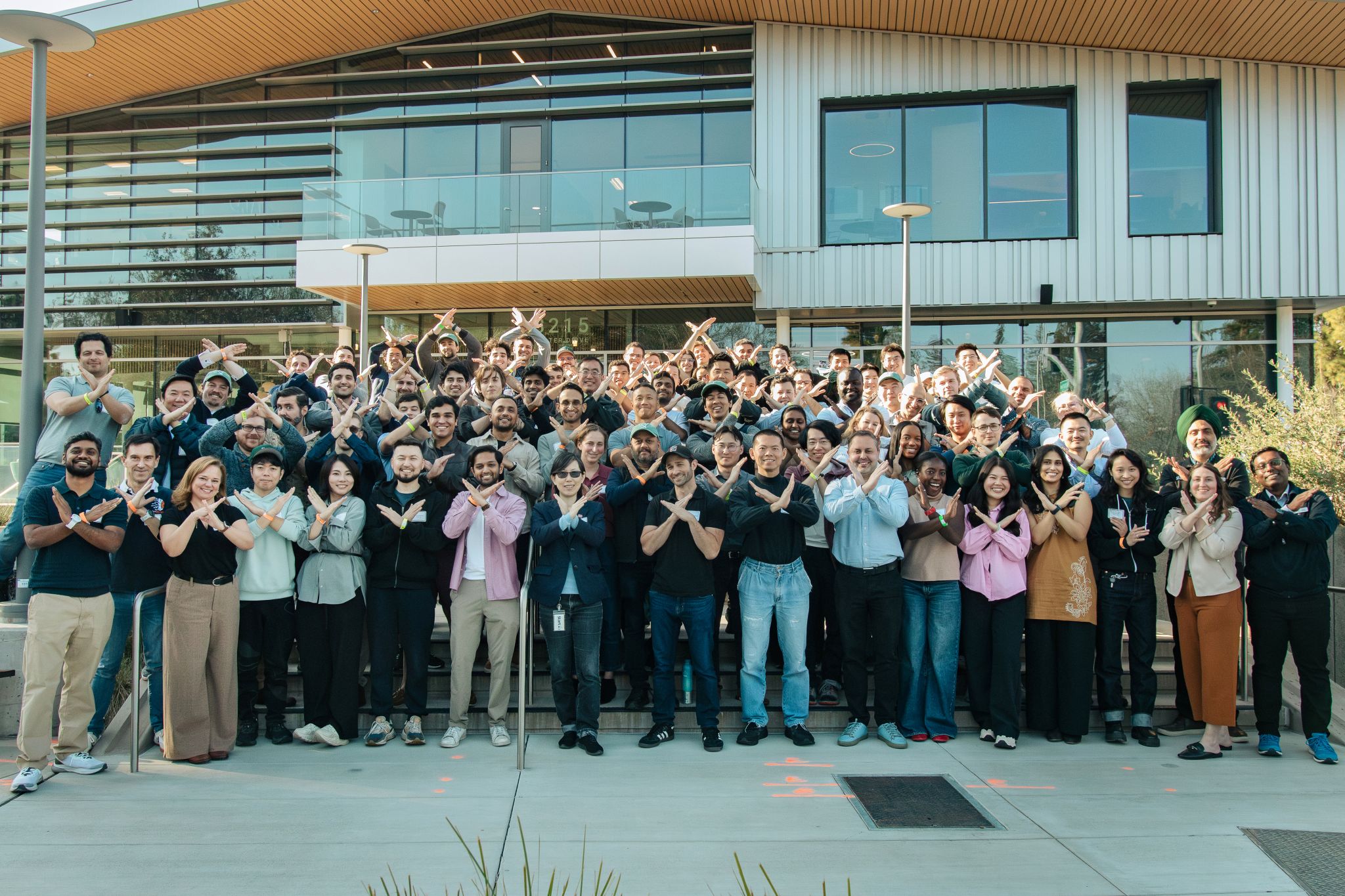
Photo: courtesy of the team’s personal archive and Stanford University
The company has developed an intelligent platform that helps healthcare organizations maintain documentation in compliance with the orders of the Ministry of Health and clinical protocols of Kazakhstan. The system analyzes records within seconds and reduces manual review time by up to 95%, allowing doctors to focus on patients rather than paperwork. The platform’s key focus is to keep clinics informed about current standards and regulatory requirements. The result is higher-quality medical documentation and, consequently, improved quality of care.
To date, the platform has processed tens of millions of medical records. More than 30 clinics in Kazakhstan, including the country’s largest networks, use the product. Defect AI is ISO 27001 certified and compliant with HIPAA requirements.
Drawing on global best practices, the team has integrated a smart search function into the platform: doctors can instantly access detailed treatment guidance based on official Ministry of Health documents instead of manually reviewing lengthy regulatory texts. The solution was inspired by the OpenEvidence platform — the Defect AI team met with its founder at Stanford.
In international markets, the project operates under the brand Rette — derived from the Kazakh word “retteu,” meaning “to organize” or “to put in order.” The name reflects the product’s essence: an AI assistant that helps healthcare organizations systematically streamline documentation using artificial intelligence, enabling them to process significantly larger volumes of medical records without compromising quality or hiring additional staff.
Experience in Kazakhstan has given the team deep insight into how healthcare systems operate internally. However, the U.S. market differs fundamentally: it is the largest healthcare system in the world, with an annual volume of approximately $5 trillion, and the number of health insurance organizations exceeds that of Kazakhstan by thousands of times. At the end of 2025, the company closed its first funding round. The team is now actively developing the platform for the U.S. market and onboarding its first American clients. The next investment round is planned for mid-spring 2026.
The core team is based in Kazakhstan, with additional team members located in the United States, Japan, the United Kingdom, and Germany. The team includes professionals with experience at Meta, Google, and Microsoft. Thanks to established ties with Stanford University, the company regularly consults with professors at the forefront of the field.
With the support of StartX, the team has formed an Advisory Board that includes practicing physicians, healthcare investors, founders with successful exits, and technical experts with experience in implementing healthcare projects.
“Getting into StartX is a dream for thousands of entrepreneurs worldwide. We applied four times before being accepted into the Spring 2026 cohort, and that journey strengthened our team. Since we always intended to build a product for international markets, we decided to join Astana Hub. We established strong collaboration with the Astana Hub team back during our previous startup, Sheberkhana — a prototyping lab. We are also grateful to Astana Hub Ventures for their support and investment in our project. Our mission is to simplify administrative processes in healthcare, make incentive systems fairer, and improve the quality of medical care,” said Defect AI co-founder Sanzhar Myrzaghalym.
According to the founders, StartX operates in an intensive format. Its key distinction is its community-driven culture. Each founder can rely on support from a broad network of entrepreneurs who have gone through StartX over the years, while also contributing to and supporting others.
Selection for the Spring cohort included multiple stages of technological and business evaluation and was supported by Astana Business Campus and Nazarbayev University. Participation in the program became possible thanks to the Platinum agreement between StartX and Astana Business Campus, part of the NU Impact Foundation ecosystem.
Defect AI’s acceptance into one of the leading accelerator programs in the United States confirms the global competitiveness of Kazakhstani technological solutions and marks a new stage of international growth for the team. Earlier, the project was also among the successful graduates of the Silicon Valley Residency program implemented by the Ministry of Artificial Intelligence and Digital Development of the Republic of Kazakhstan in partnership with the Ministry of Digital Technologies of the Republic of Uzbekistan, Astana Hub, Astana Hub Ventures, IT Park Uzbekistan, and IT Park Ventures.
Photo: courtesy of the team’s personal archive and Stanford University

 Share
Share