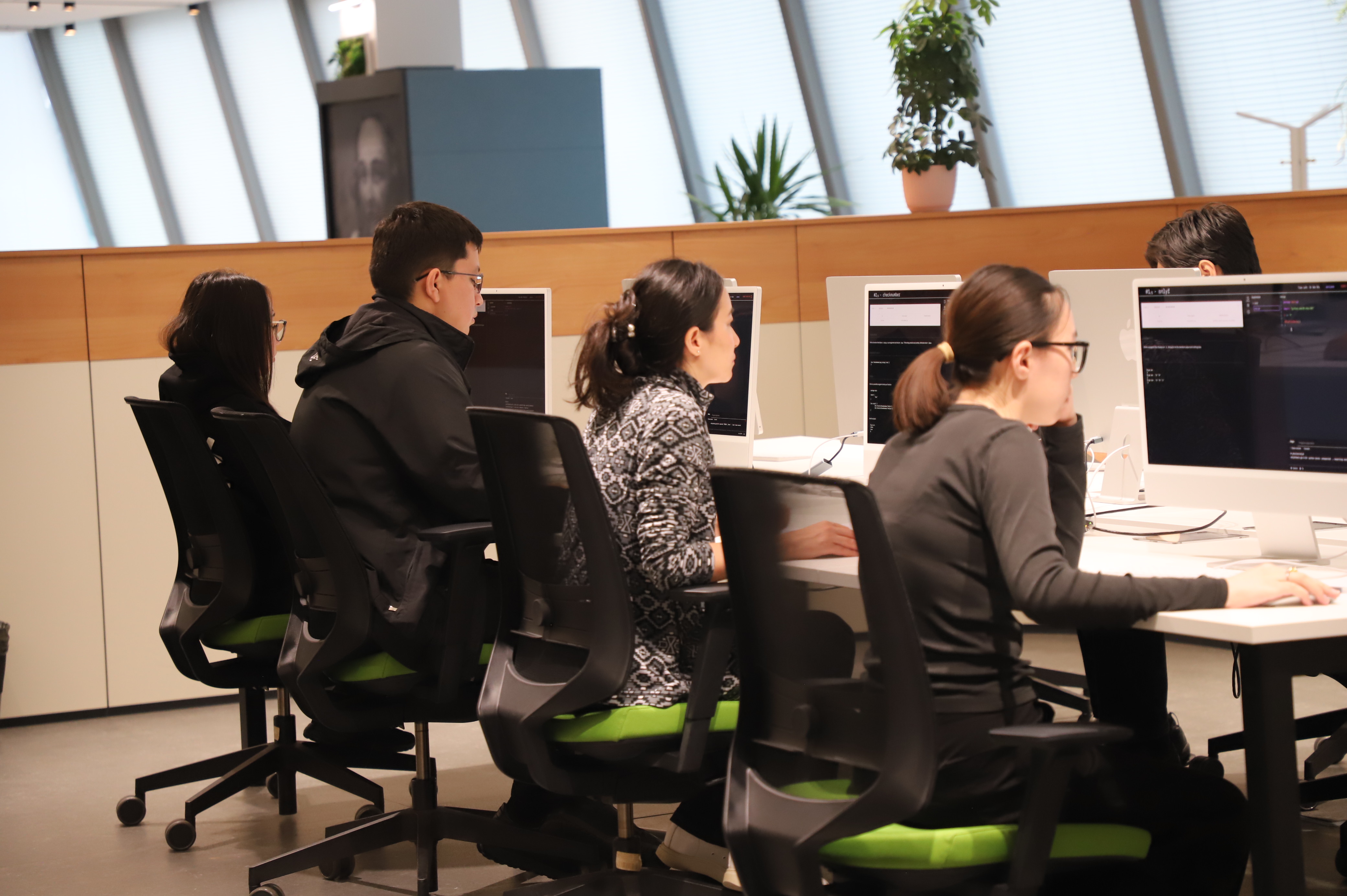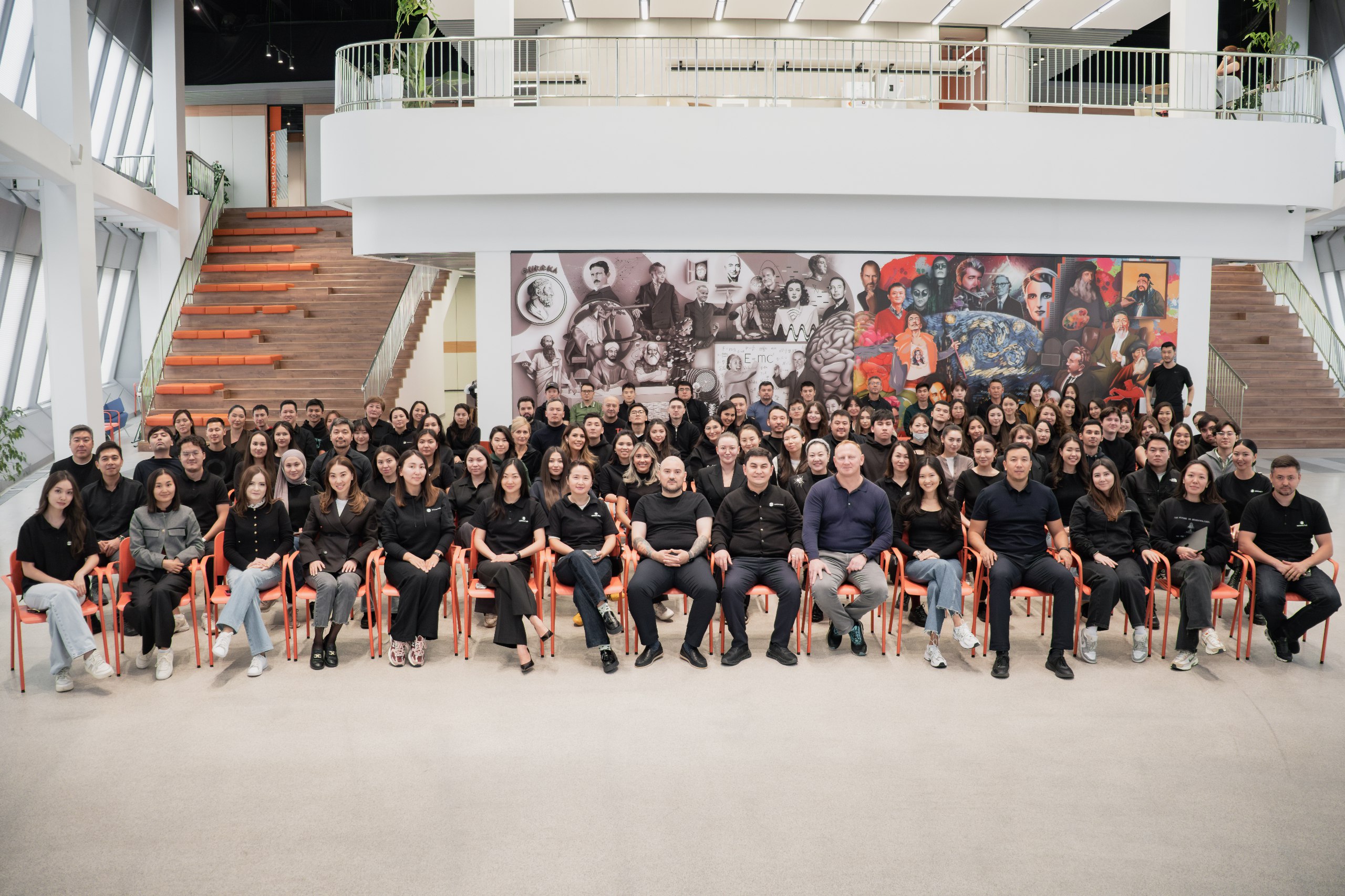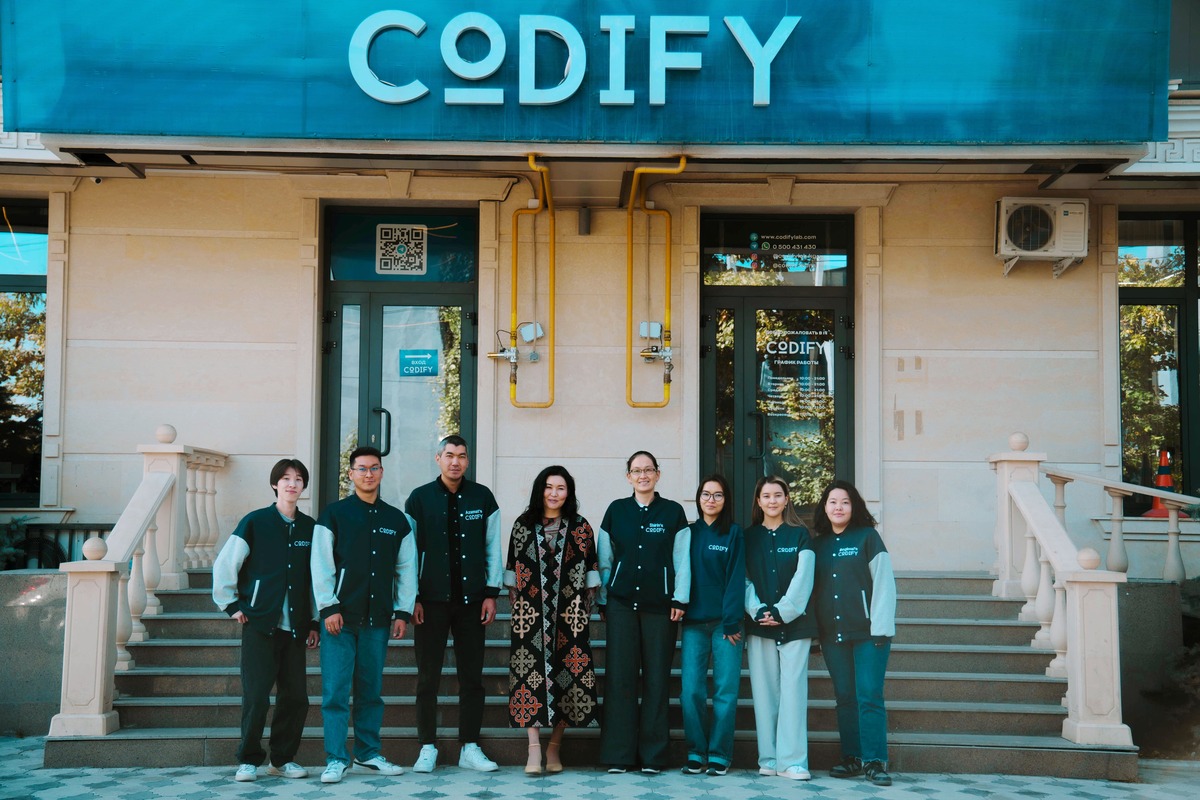





In 2020, Dina founded Codify, an IT school for children and teenagers. Just two years later, the company was valued at $6 million. As part of the joint project by Digital Business and Astana Hub, “100 Startup Stories of Central Asia,” Dina shared what she did in Afghanistan, what she found most challenging about life in the U.S., and how a childhood experience taught her not to be afraid of taking risks. She also spoke about her most expensive failures and what sets Codify apart from other IT schools.
“I Didn’t Want to Spend My Entire Day Standing Under the Sun at a Market”
— Dina, in interviews you’ve said that you ended up in IT by accident. How did that happen?
— Initially, I wanted to become a designer, and my parents were actually encouraging me to pursue a career in medicine. In the end, after finishing the 9th grade, I missed the application deadlines and managed to enroll in the Polytechnic College in Bishkek in an IT-related program.
It truly was a random choice—I knew very little about technology at the time. But recently, I realized that my willingness to step into the unknown was formed much earlier in childhood. I lived with my grandmother in a rural village, and we had a two-hectare field. Starting from the 3rd or 4th grade, I helped pick strawberries at dawn, and by 7–8 a.m. I was already selling them at the market.
Back then, it felt embarrassing to sell at a bazaar, especially when your classmates were outside playing. Over time, that feeling evolved into a desire to be more resourceful—to never again spend entire days working in the fields under the sun or standing behind a market stall.
I genuinely love my profession. I enjoy product design, thinking through features, and analyzing markets far more than being a startup founder or businesswoman. I never wanted to be an entrepreneur, but I’ve grown into the role—especially since we have a truly great team.
Education, Afghanistan, and the First Big Leap
— Let’s return to your background. What did you do after college?
— In 2011, I completed my bachelor’s degree at the International University of Kyrgyzstan ahead of schedule, majoring in Programming and Analytics, and graduated with honors. At that time, there were very few IT vacancies, so I prepared a résumé and sent it to various organizations. Eventually, I was hired as a corporate client manager at an international furniture company. After three months, I realized that despite the good salary, it wasn’t for me.
I had always wanted to continue my education abroad, but I didn’t have the money. I started thinking about how to save the required amount. At the time, my brother was working in Afghanistan at a NATO base. He suggested I interview with the Army Air Force Exchange Service, a company that supplies military personnel with clothing, food, medicine, and other essentials. They were looking for English-speaking staff, and I was offered a one-year contract.
— How did that experience influence your future?
— Spending an entire year in a closed area, far from the familiar ecosystem of family, friends, and university life, was quite difficult. Apart from work, reading, and exercising, there was little else to do. But during that time, I was able to clearly define what I truly wanted to pursue—and I managed to save $12,000.
Studies and Career in the United States
— What did you do after returning to Bishkek?
— I was accepted into a master’s program at the University of London with a 75% tuition discount. Even with the discount, it was still very expensive. Eventually, I enrolled at Lincoln University in California in the Management Information Systems program.
I took several courses in my first semester and immediately started working two jobs to support myself.
— How did your career in the U.S. develop?
— Like many students, I initially worked as a cashier and waitress. In my second year, I decided to look for an IT position. I spent six months going to interviews and receiving rejection after rejection. I had nearly exhausted my savings when I finally landed a job as a systems analyst at Wells Fargo in Iowa.
After two years, I went to Bishkek for what was supposed to be a summer vacation—but I ended up staying permanently. I was offered a project manager role at the IT development company ZenSoft. Even though the salary was several times lower than in the U.S., I accepted. The project was just getting started, and I was drawn to the idea of building something almost from scratch.
Coming Home and Starting Over
— How difficult was it to make that decision?
— Life in the U.S. was much harder. I felt like I was alone against the entire world. I understood that I was largely unprotected and that many privileges were unavailable to me as an immigrant. I managed to overcome those challenges once, but I don’t think I could go through that again.
In my view, I returned at the right time. At 26 or 27, it’s much easier to start over than after 35. Last year, I visited California again and met people I knew who had stayed. Now they want to return to their home countries, but they no longer have social ties there. For them, going back and starting from zero feels far more frightening.
Read more at Digitalbusiness.kz.
In 2020, Dina founded Codify, an IT school for children and teenagers. Just two years later, the company was valued at $6 million. As part of the joint project by Digital Business and Astana Hub, “100 Startup Stories of Central Asia,” Dina shared what she did in Afghanistan, what she found most challenging about life in the U.S., and how a childhood experience taught her not to be afraid of taking risks. She also spoke about her most expensive failures and what sets Codify apart from other IT schools.
“I Didn’t Want to Spend My Entire Day Standing Under the Sun at a Market”
— Dina, in interviews you’ve said that you ended up in IT by accident. How did that happen?
— Initially, I wanted to become a designer, and my parents were actually encouraging me to pursue a career in medicine. In the end, after finishing the 9th grade, I missed the application deadlines and managed to enroll in the Polytechnic College in Bishkek in an IT-related program.
It truly was a random choice—I knew very little about technology at the time. But recently, I realized that my willingness to step into the unknown was formed much earlier in childhood. I lived with my grandmother in a rural village, and we had a two-hectare field. Starting from the 3rd or 4th grade, I helped pick strawberries at dawn, and by 7–8 a.m. I was already selling them at the market.
Back then, it felt embarrassing to sell at a bazaar, especially when your classmates were outside playing. Over time, that feeling evolved into a desire to be more resourceful—to never again spend entire days working in the fields under the sun or standing behind a market stall.
I genuinely love my profession. I enjoy product design, thinking through features, and analyzing markets far more than being a startup founder or businesswoman. I never wanted to be an entrepreneur, but I’ve grown into the role—especially since we have a truly great team.
Education, Afghanistan, and the First Big Leap
— Let’s return to your background. What did you do after college?
— In 2011, I completed my bachelor’s degree at the International University of Kyrgyzstan ahead of schedule, majoring in Programming and Analytics, and graduated with honors. At that time, there were very few IT vacancies, so I prepared a résumé and sent it to various organizations. Eventually, I was hired as a corporate client manager at an international furniture company. After three months, I realized that despite the good salary, it wasn’t for me.
I had always wanted to continue my education abroad, but I didn’t have the money. I started thinking about how to save the required amount. At the time, my brother was working in Afghanistan at a NATO base. He suggested I interview with the Army Air Force Exchange Service, a company that supplies military personnel with clothing, food, medicine, and other essentials. They were looking for English-speaking staff, and I was offered a one-year contract.
— How did that experience influence your future?
— Spending an entire year in a closed area, far from the familiar ecosystem of family, friends, and university life, was quite difficult. Apart from work, reading, and exercising, there was little else to do. But during that time, I was able to clearly define what I truly wanted to pursue—and I managed to save $12,000.
Studies and Career in the United States
— What did you do after returning to Bishkek?
— I was accepted into a master’s program at the University of London with a 75% tuition discount. Even with the discount, it was still very expensive. Eventually, I enrolled at Lincoln University in California in the Management Information Systems program.
I took several courses in my first semester and immediately started working two jobs to support myself.
— How did your career in the U.S. develop?
— Like many students, I initially worked as a cashier and waitress. In my second year, I decided to look for an IT position. I spent six months going to interviews and receiving rejection after rejection. I had nearly exhausted my savings when I finally landed a job as a systems analyst at Wells Fargo in Iowa.
After two years, I went to Bishkek for what was supposed to be a summer vacation—but I ended up staying permanently. I was offered a project manager role at the IT development company ZenSoft. Even though the salary was several times lower than in the U.S., I accepted. The project was just getting started, and I was drawn to the idea of building something almost from scratch.
Coming Home and Starting Over
— How difficult was it to make that decision?
— Life in the U.S. was much harder. I felt like I was alone against the entire world. I understood that I was largely unprotected and that many privileges were unavailable to me as an immigrant. I managed to overcome those challenges once, but I don’t think I could go through that again.
In my view, I returned at the right time. At 26 or 27, it’s much easier to start over than after 35. Last year, I visited California again and met people I knew who had stayed. Now they want to return to their home countries, but they no longer have social ties there. For them, going back and starting from zero feels far more frightening.
Read more at Digitalbusiness.kz.

 Share
Share