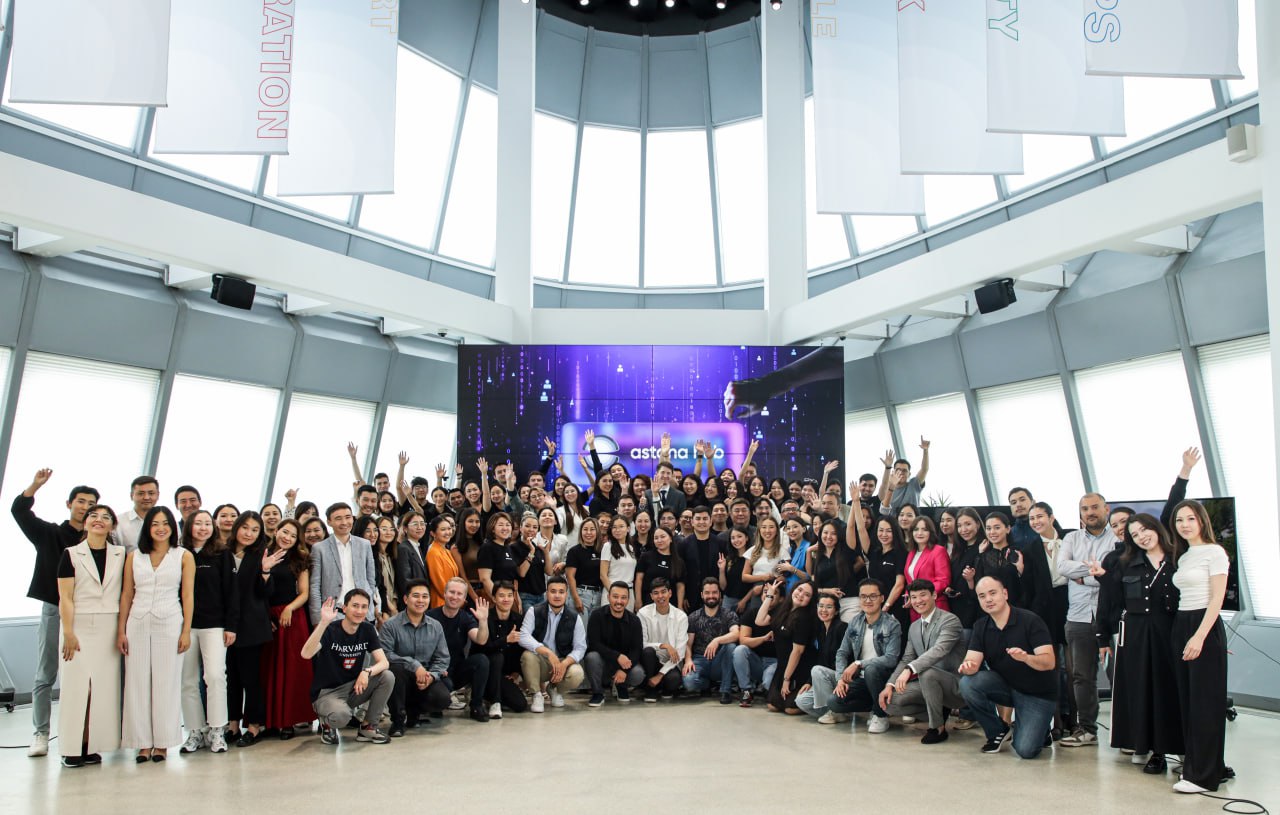





Participants explored how scientific ideas and research outcomes can be transformed into technology products, what conditions are necessary to bring innovations to market, and the role that universities, industry, investors, acceleration programs, and international professional communities play in this process.
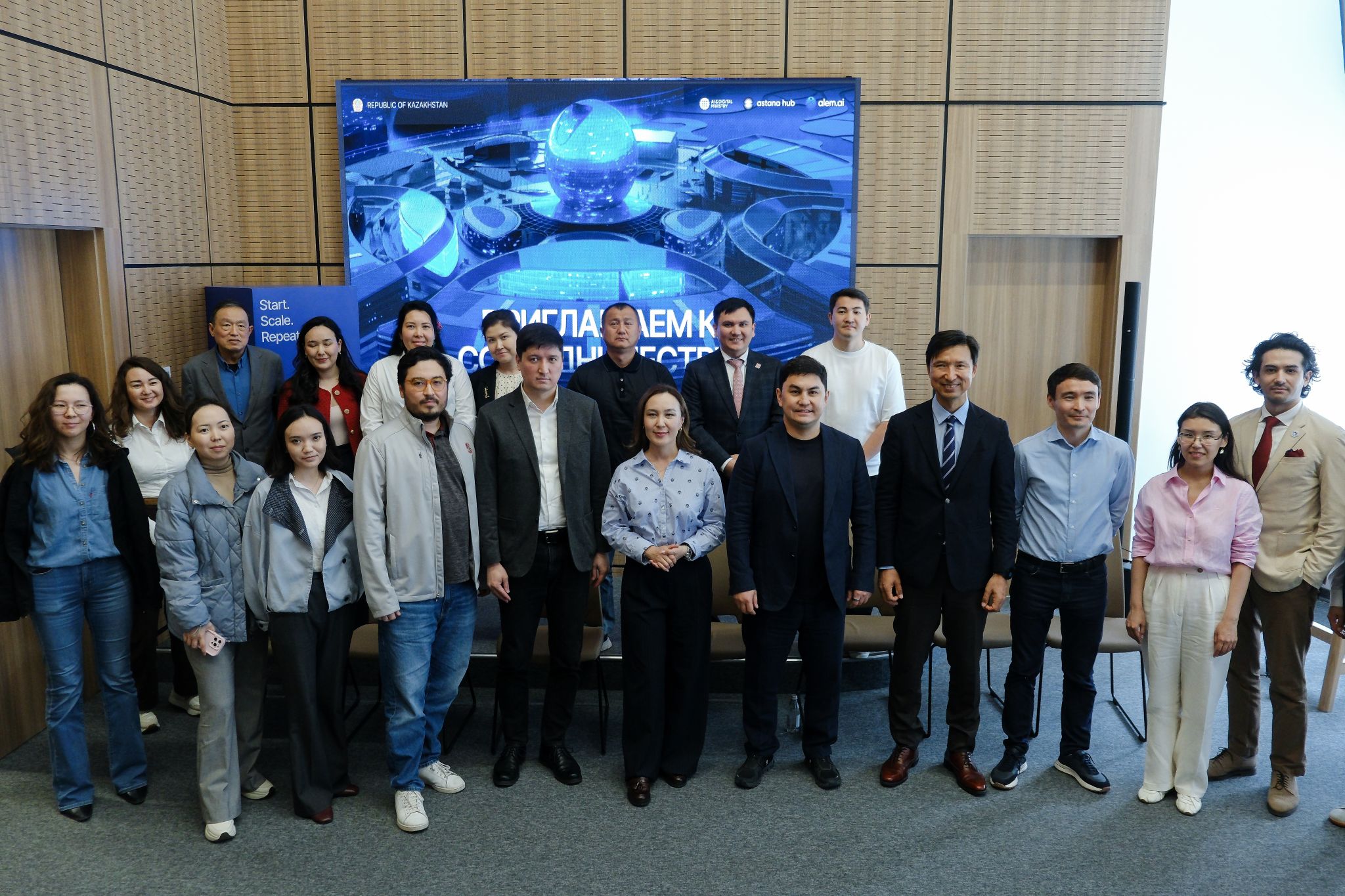
The discussion featured Magzhan Madiyev, CEO of Astana Hub; Aliya Sembayeva, Scientific Advisor to the CEO of Astana Hub; Serik Meirmanov, Professor and Vice President of Ritsumeikan Asia Pacific University; Nurlybek Mursali, Founder and CEO of Biodock Inc.; Gulsim Kulsharova, Assistant Professor at Nazarbayev University; Didar Yedilkhan, Professor at Astana IT University and Chair of IEEE Kazakhstan Section; and Anarbek Utegulov, Director of Technology Centers at Astana Hub.
Participants emphasized that a strong scientific idea alone is not enough to build a successful science and technology startup. Bringing innovations to market requires a capable team, a clear understanding of market needs, early customers, pilot projects, mentorship, and access to funding.

During the discussion, Astana Hub was presented as a technology ecosystem that can serve as a practical platform for scientists and research teams. The innovation cluster offers startup development infrastructure, educational and business programs, access to a community of entrepreneurs and experts, venture financing tools, corporate partners, and international scaling opportunities.
Participants also highlighted the importance of emerging initiatives in artificial intelligence, including the development of AI-focused programs, technology centers, and support mechanisms for innovative teams.
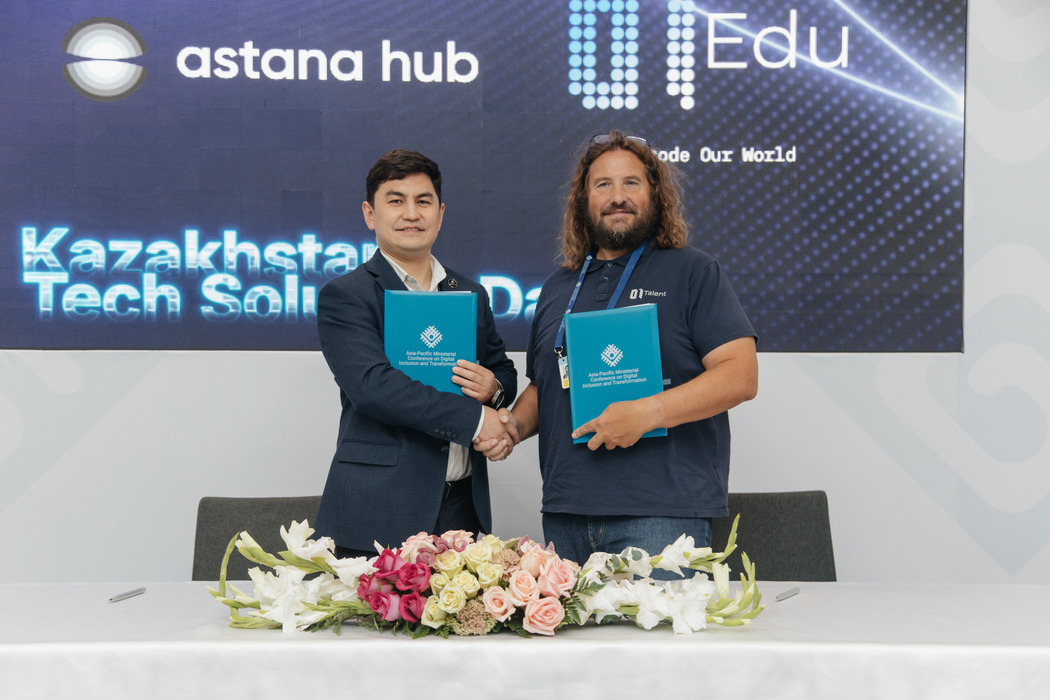
A key outcome of the event was the signing of a Memorandum of Cooperation between Astana Hub and the Qazaq International Science & Technology Association (QIST).
The memorandum aims to strengthen collaboration between Kazakhstan’s technology ecosystem and the international community of Kazakh scientists, researchers, and science and technology professionals. The parties intend to jointly support science and technology initiatives, foster the development of startups based on scientific research, and strengthen connections between researchers, universities, startups, and industry.
The partnership between Astana Hub and QIST will help build stronger links between researchers in Kazakhstan and members of the scientific diaspora abroad. This collaboration will create additional opportunities for expert support, international networking, joint projects, knowledge exchange, and greater involvement of scientists in the development of technology entrepreneurship in Kazakhstan.
The “From Science to Startup” event served as a platform for open dialogue between the scientific community and the startup ecosystem. Participants concluded by emphasizing the importance of systematically developing programs that help researchers move from scientific discovery to market-ready technologies through incubation and acceleration programs, intellectual property support, access to industry pilots, venture financing, and international markets.

Participants explored how scientific ideas and research outcomes can be transformed into technology products, what conditions are necessary to bring innovations to market, and the role that universities, industry, investors, acceleration programs, and international professional communities play in this process.
The discussion featured Magzhan Madiyev, CEO of Astana Hub; Aliya Sembayeva, Scientific Advisor to the CEO of Astana Hub; Serik Meirmanov, Professor and Vice President of Ritsumeikan Asia Pacific University; Nurlybek Mursali, Founder and CEO of Biodock Inc.; Gulsim Kulsharova, Assistant Professor at Nazarbayev University; Didar Yedilkhan, Professor at Astana IT University and Chair of IEEE Kazakhstan Section; and Anarbek Utegulov, Director of Technology Centers at Astana Hub.
Participants emphasized that a strong scientific idea alone is not enough to build a successful science and technology startup. Bringing innovations to market requires a capable team, a clear understanding of market needs, early customers, pilot projects, mentorship, and access to funding.
During the discussion, Astana Hub was presented as a technology ecosystem that can serve as a practical platform for scientists and research teams. The innovation cluster offers startup development infrastructure, educational and business programs, access to a community of entrepreneurs and experts, venture financing tools, corporate partners, and international scaling opportunities.
Participants also highlighted the importance of emerging initiatives in artificial intelligence, including the development of AI-focused programs, technology centers, and support mechanisms for innovative teams.
A key outcome of the event was the signing of a Memorandum of Cooperation between Astana Hub and the Qazaq International Science & Technology Association (QIST).
The memorandum aims to strengthen collaboration between Kazakhstan’s technology ecosystem and the international community of Kazakh scientists, researchers, and science and technology professionals. The parties intend to jointly support science and technology initiatives, foster the development of startups based on scientific research, and strengthen connections between researchers, universities, startups, and industry.
The partnership between Astana Hub and QIST will help build stronger links between researchers in Kazakhstan and members of the scientific diaspora abroad. This collaboration will create additional opportunities for expert support, international networking, joint projects, knowledge exchange, and greater involvement of scientists in the development of technology entrepreneurship in Kazakhstan.
The “From Science to Startup” event served as a platform for open dialogue between the scientific community and the startup ecosystem. Participants concluded by emphasizing the importance of systematically developing programs that help researchers move from scientific discovery to market-ready technologies through incubation and acceleration programs, intellectual property support, access to industry pilots, venture financing, and international markets.

 Share
Share