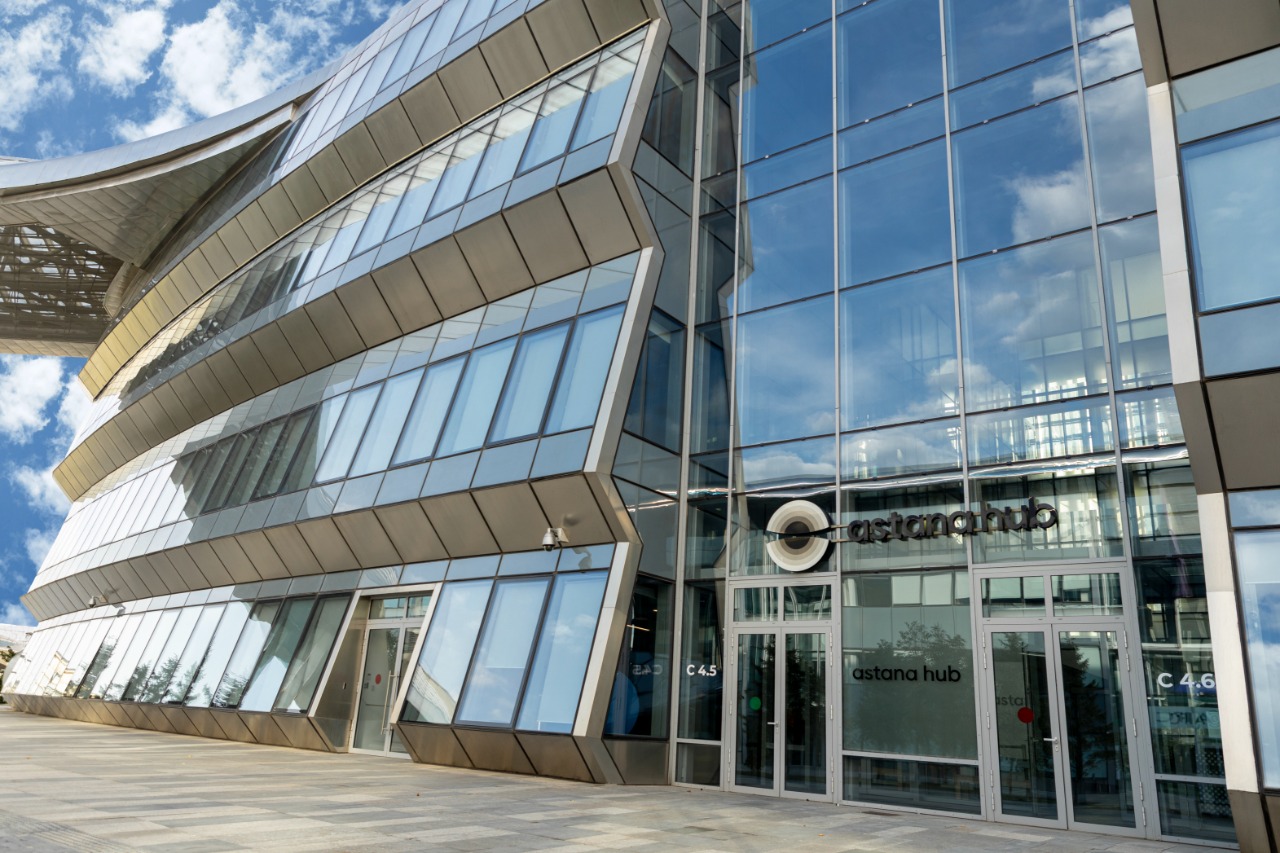





On 6 November, Astana Hub celebrates its eighth anniversary. Over this period, the international innovation cluster has become a key centre for the development of the IT and AI industries in Kazakhstan and Central Eurasia, building an extensive ecosystem for startups, investors and technology companies. With the support of the President, the Government and Kazakhstan’s Ministry of Artificial Intelligence and Digital Development, the country has created conditions that foster technology entrepreneurship, attract investment and strengthen its integration into the global innovation ecosystem.
“Today, Astana Hub is a fully fledged technology ecosystem bringing together 2,700 companies, including 560 with foreign participation. It provides an environment where ideas become products, startups grow into international businesses, and talented people find opportunities to fulfil their potential. Since 2019, ecosystem participants have generated $6.7 billion in total revenue and $2.4 billion in IT services exports, while startups have attracted more than $2 billion in investment. These figures reflect sustained efforts to develop entrepreneurship, technology and human capital. We are creating conditions that enable technology to drive economic growth and Kazakhstani companies to become part of the global technology market. Our greatest achievements, however, are measured not only by the scale of the ecosystem and its economic performance, but above all by the people, companies and technologies that are becoming the foundation of the country’s digital economy,” said Magzhan Madiyev, CEO of Astana Hub.
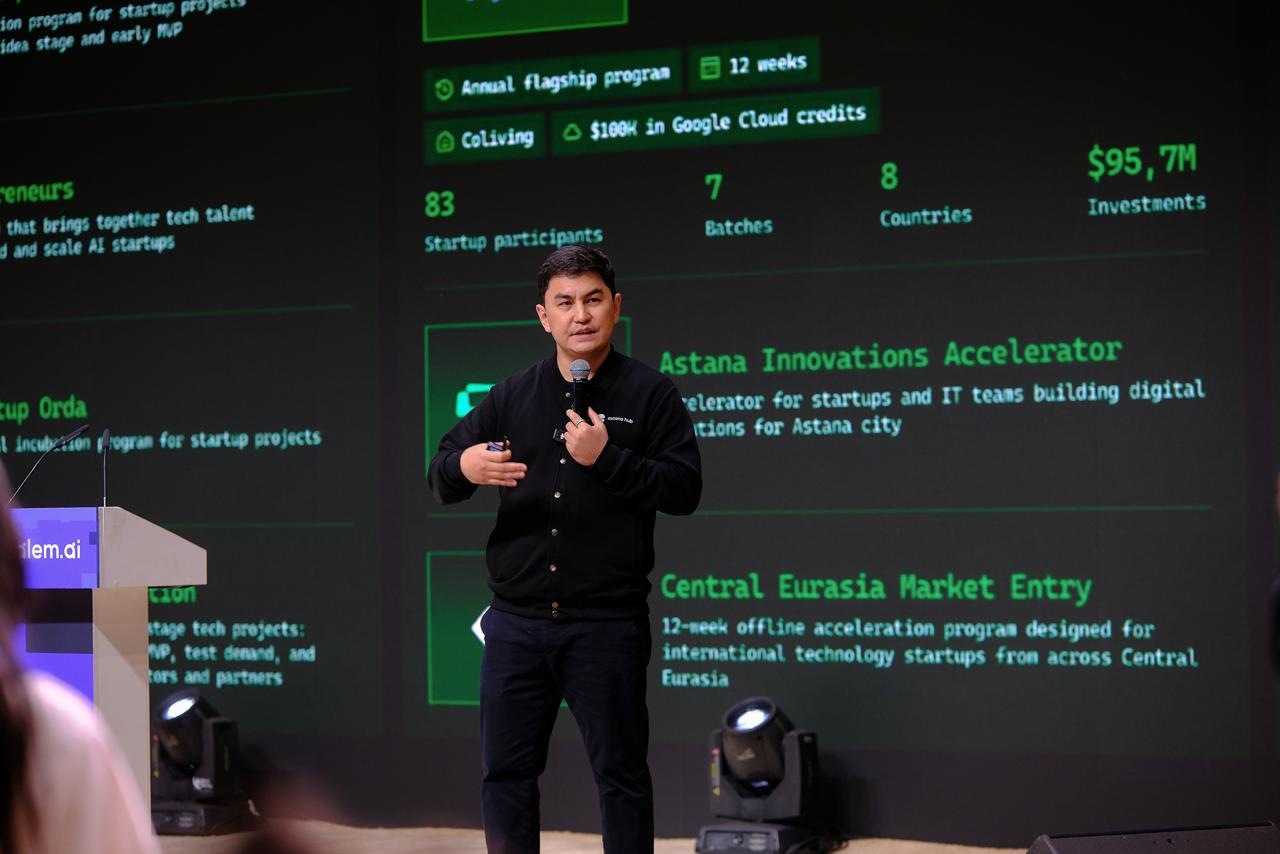
Astana Hub continues to expand its technology ecosystem across the country. Today, the cluster brings together 20 regional IT hubs that serve as centres for local community development, IT training and support for technology entrepreneurship. Since their launch, the regional hubs have held more than 5,200 events, bringing together 80,000 participants and showcasing 700 startups. Alongside these activities, programmes such as Startup Orda, G-Ton and Smart City Accelerator support entrepreneurial initiatives, help startups grow and promote the adoption of innovative solutions in the regions.
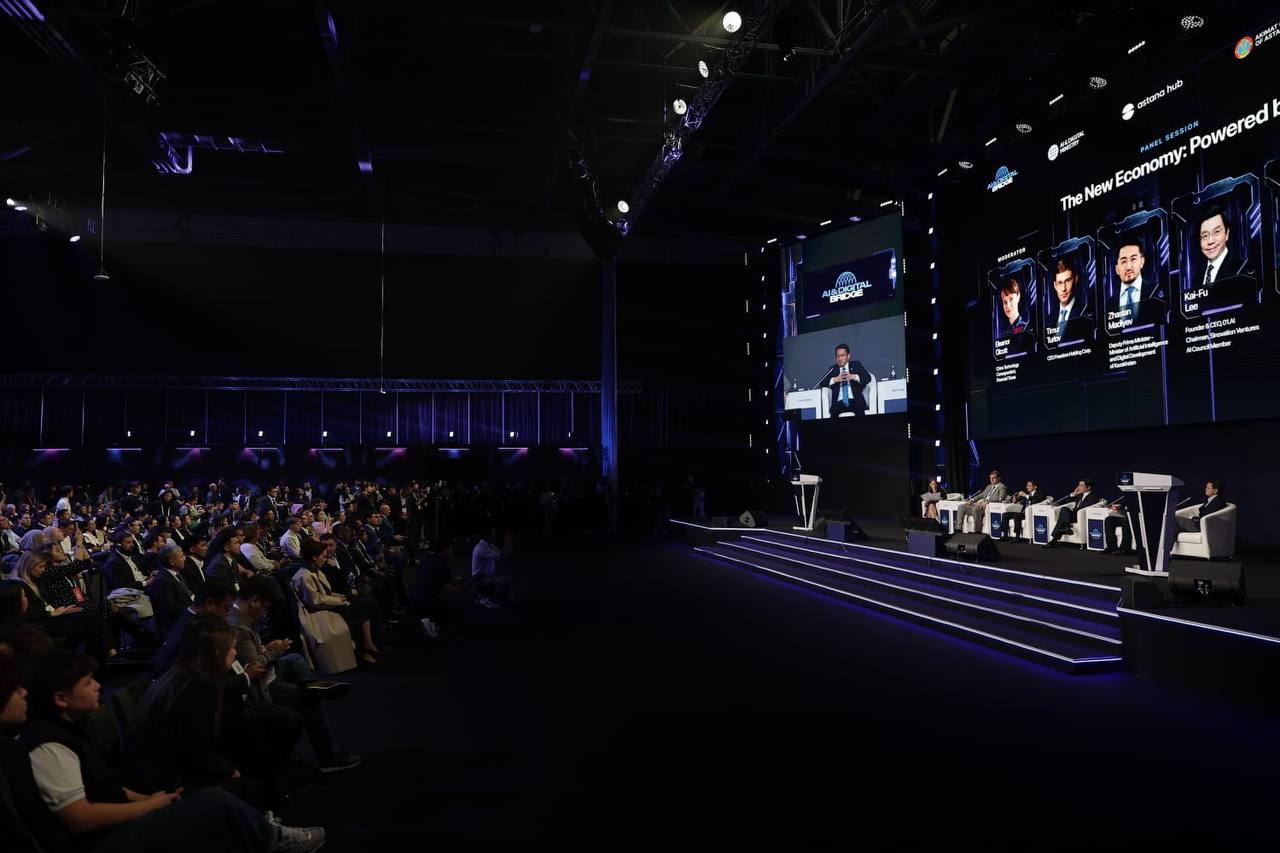
Major events on this year’s technology calendar included the Digital Qazaqstan national forum in Shymkent, the AI & Digital Bridge 2026 international forum in Astana, and GITEX AI Kazakhstan, held in Kazakhstan for the first time. Together, these events strengthened Kazakhstan’s position as a Eurasian technology and AI hub, advancing international cooperation, entrepreneurship and investment.
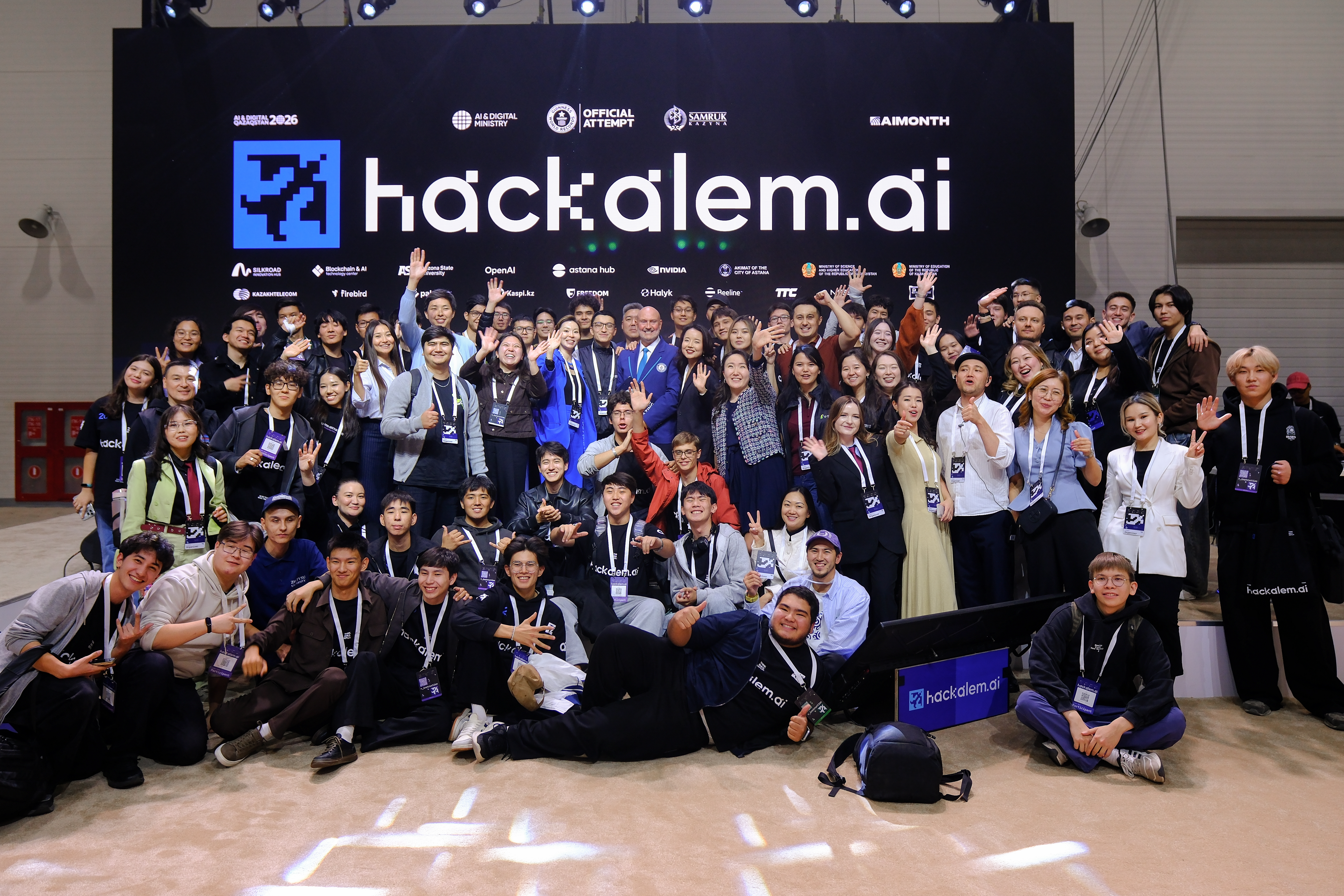
Another milestone in 2026 was HackAlem AI, the world’s largest AI hackathon, which brought together 2,415 participants and set a Guinness World Record with the participation of global technology partners NVIDIA and OpenAI.
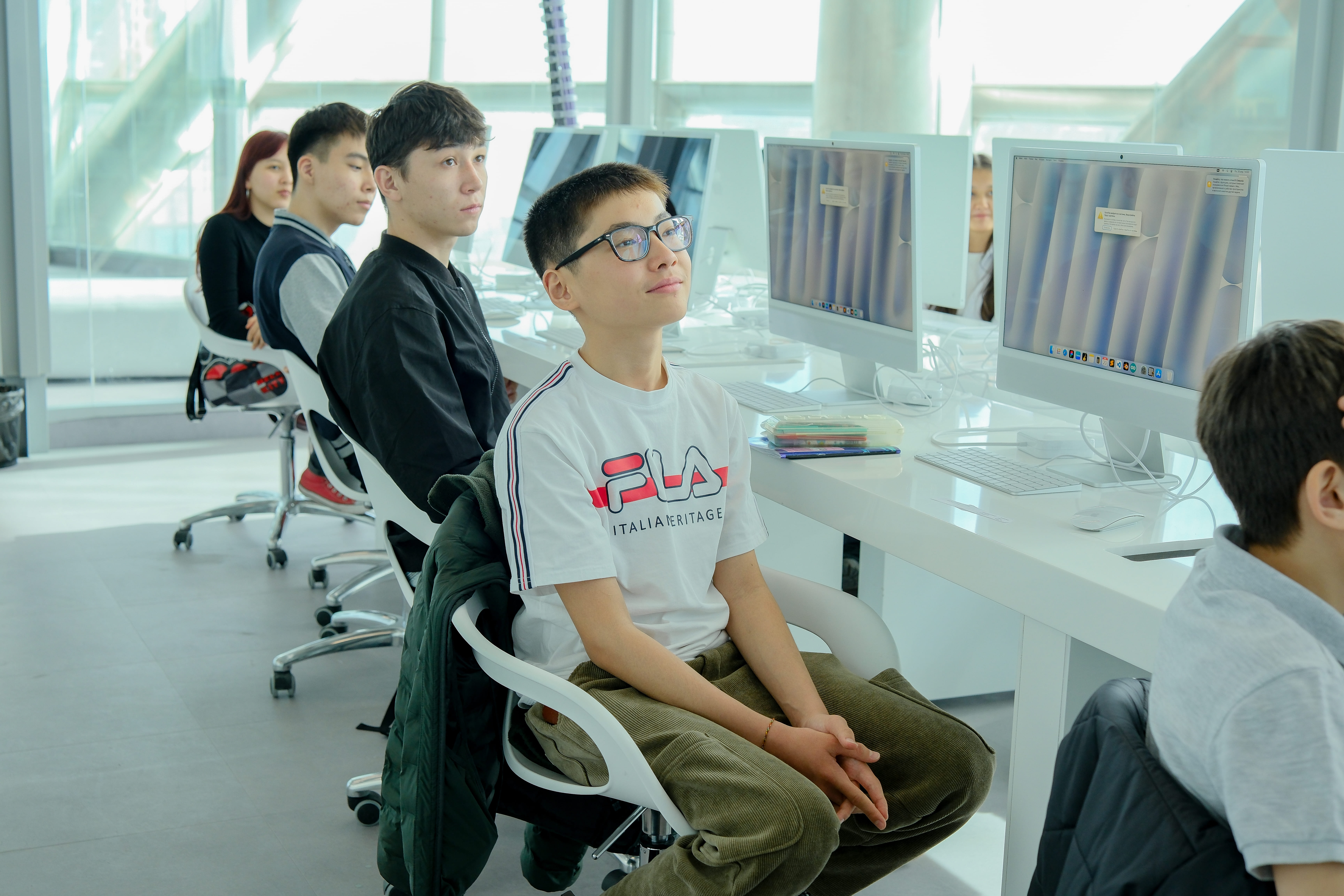
Astana Hub actively contributes to training the next generation of IT professionals and developing digital skills, creating learning opportunities for people of different ages and experience levels. TUMO Astana, a centre for creative technologies, currently serves 2,430 teenagers. Participants aged 12 to 18 study 11 digital and creative disciplines, including programming, robotics, game development, generative artificial intelligence and filmmaking.
The next stage focuses on professional training for the IT industry. Tech Orda, a programme delivered through Astana Hub to develop human capital in information and communication technologies, has already trained 11,410 people across 133 IT schools. According to programme data, 90% of graduates are employed. For participants, the programme offers a path into a new profession; for companies, it provides access to specialists with in-demand skills.
In parallel, Tomorrow School, Kazakhstan’s first peer-to-peer artificial intelligence school, continues to grow. The project is run by Alem.ai Foundation within the ecosystem of Astana Hub and the alem.ai International Artificial Intelligence Centre. The school currently has 481 students, and its Astana campus has received more than 24,000 applications over two years. In 2026, Tomorrow School entered a new phase of development, expanding its network to 14 cities across Kazakhstan. This enables young people to study in-demand technology disciplines and access modern AI education without leaving their home regions. More than 80 students have already secured IT positions before completing the programme.

ML School Kazakhstan was launched to provide advanced training in artificial intelligence and machine learning. The free, two-year programme draws on the academic expertise of the Yandex School of Data Analysis and aims to train highly qualified machine learning specialists and researchers. It received 822 applications for its first intake, with 32 participants already enrolled.
Astana Hub’s educational ecosystem also includes the online platform edu.astanahub.com, which makes modern digital knowledge and tools accessible to a broad audience. Its offerings include Data Engineering, Prompt Engineering, No Code/Low Code School and other programmes that have already helped tens of thousands of people in Kazakhstan develop skills for digital careers and learn to use modern digital tools.
Particular attention is paid to supporting talent at the intersection of science, artificial intelligence and technology entrepreneurship. Alem AI Talent Lab was launched as part of this effort. The programme invests in emerging talent and supports the development of future technology founders, including those with the potential to build unicorn companies.
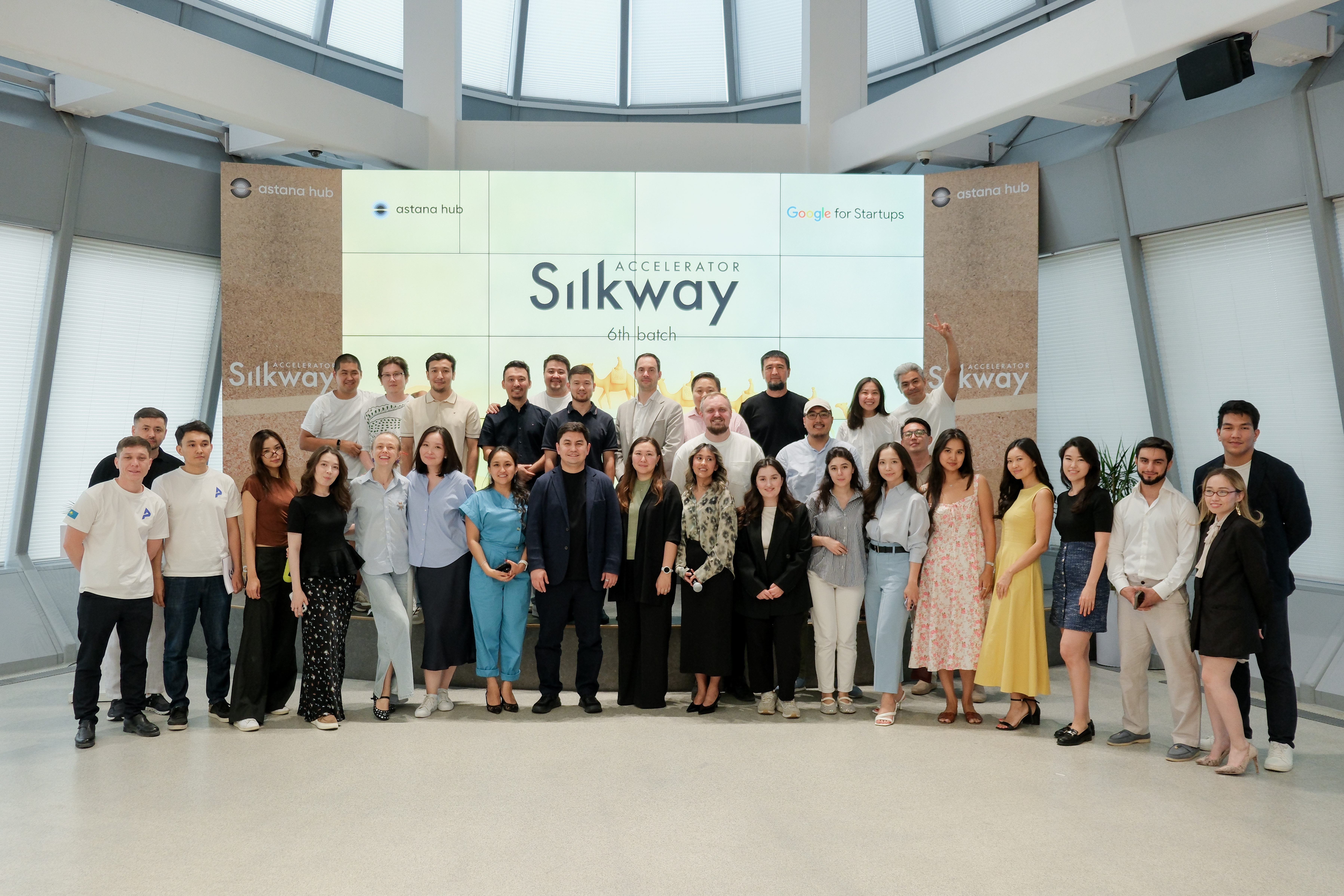
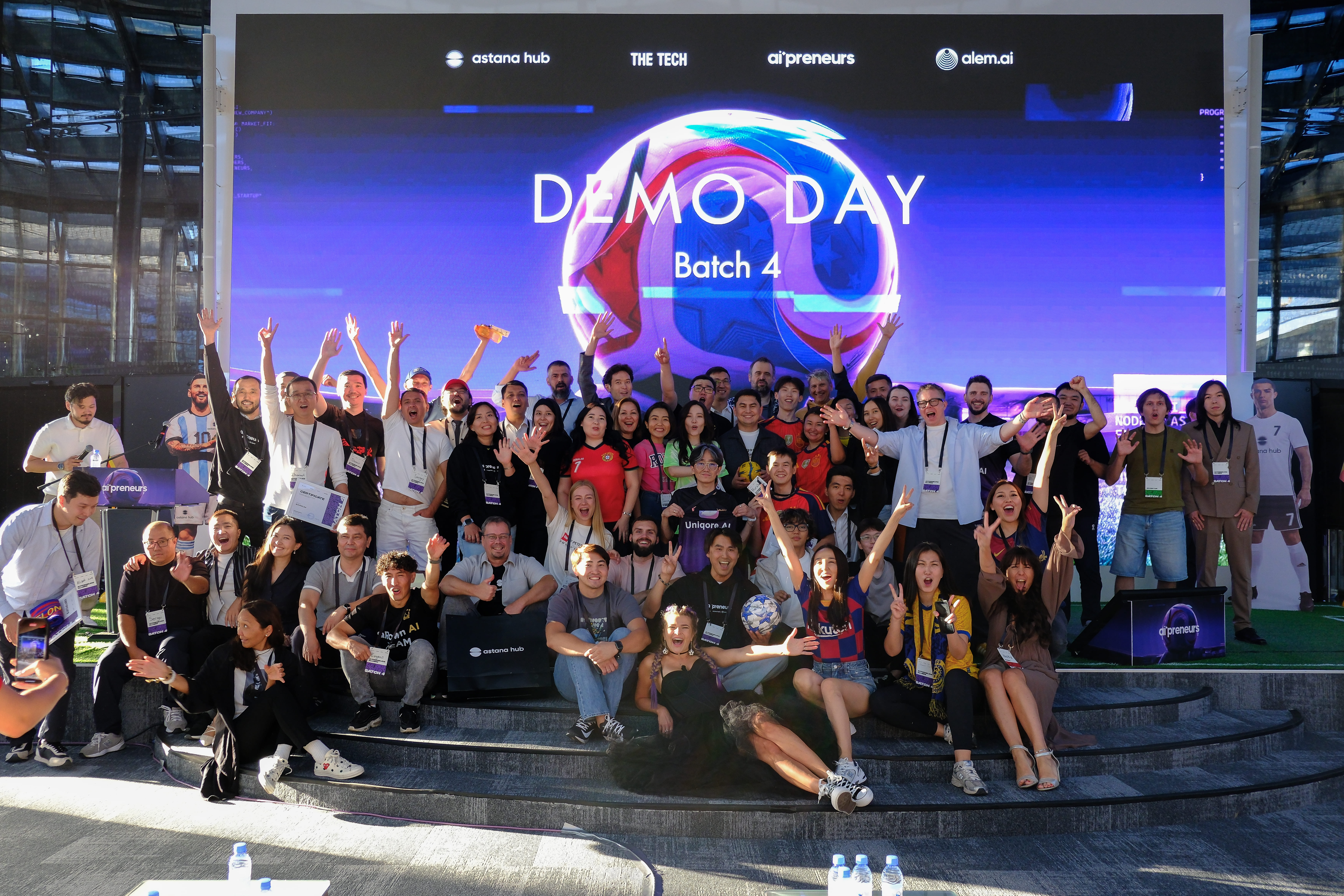
Large-scale acceleration programmes have played an important role in the ecosystem’s growth. Silkway Accelerator, an international programme developed with Google for Startups, has already supported 83 startups through to graduation. The Startup Garage incubation programme has supported more than 1,400 early-stage projects, of which 428 have successfully completed the programme. AI’preneurs, the flagship international programme for building AI startups, has produced 125 graduates and 51 startup projects. These startups have generated more than $618,000 in combined sales and raised $400,000 in investment.
Launched jointly with the Astana city administration, Astana Innovations Accelerator brings together startups to develop and deploy advanced technologies that improve quality of life in the capital. This year, the programme received 354 applications. As a result, 17 projects have already been deployed in schools, healthcare facilities, municipal utilities, transport services and units of Astana’s Department of Emergency Situations.
Also in 2026, Astana Hub and the Almaty city administration launched Central Eurasian Market Entry, an acceleration programme based at Almaty Hub that supports startups entering Central Asian markets. The programme received 132 applications from 14 countries. Following the selection process, 13 startups were selected to prepare to scale their businesses across the region.
Established at the direction of the President of Kazakhstan, the alem.ai International Artificial Intelligence Centre has become a meeting point for talented professionals, researchers and members of the global AI community. The centre provides an international environment for knowledge exchange, talent development and the training of the next generation of AI leaders.

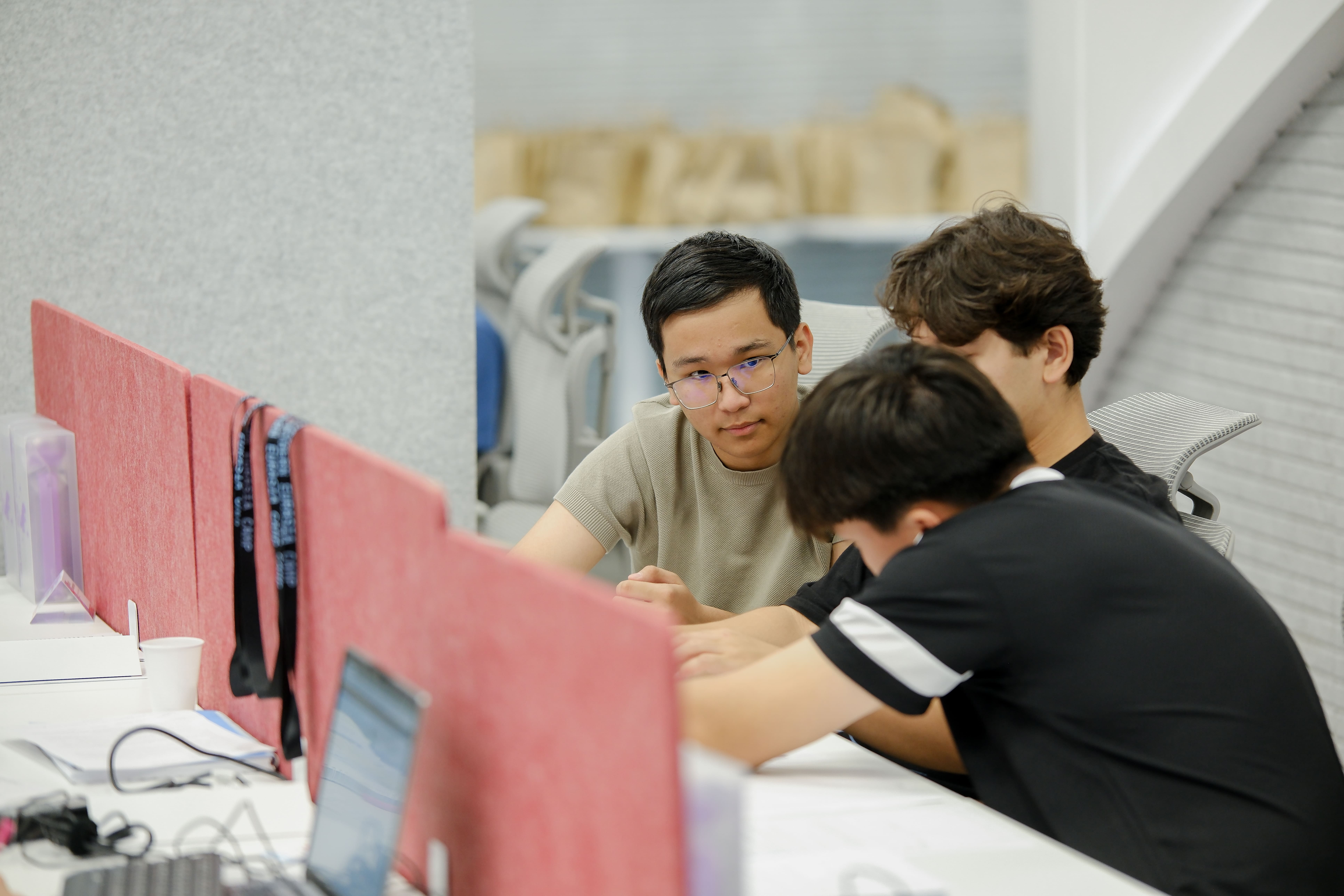
In 2026, it hosted Northern Eurasia Camp, an international competitive programming training camp that brought together 20 of Northern Eurasia’s strongest university teams to prepare for the ICPC World Finals. Most participating teams had qualified for the ICPC World Finals 2026 and underwent intensive training ahead of the competition in Dubai.
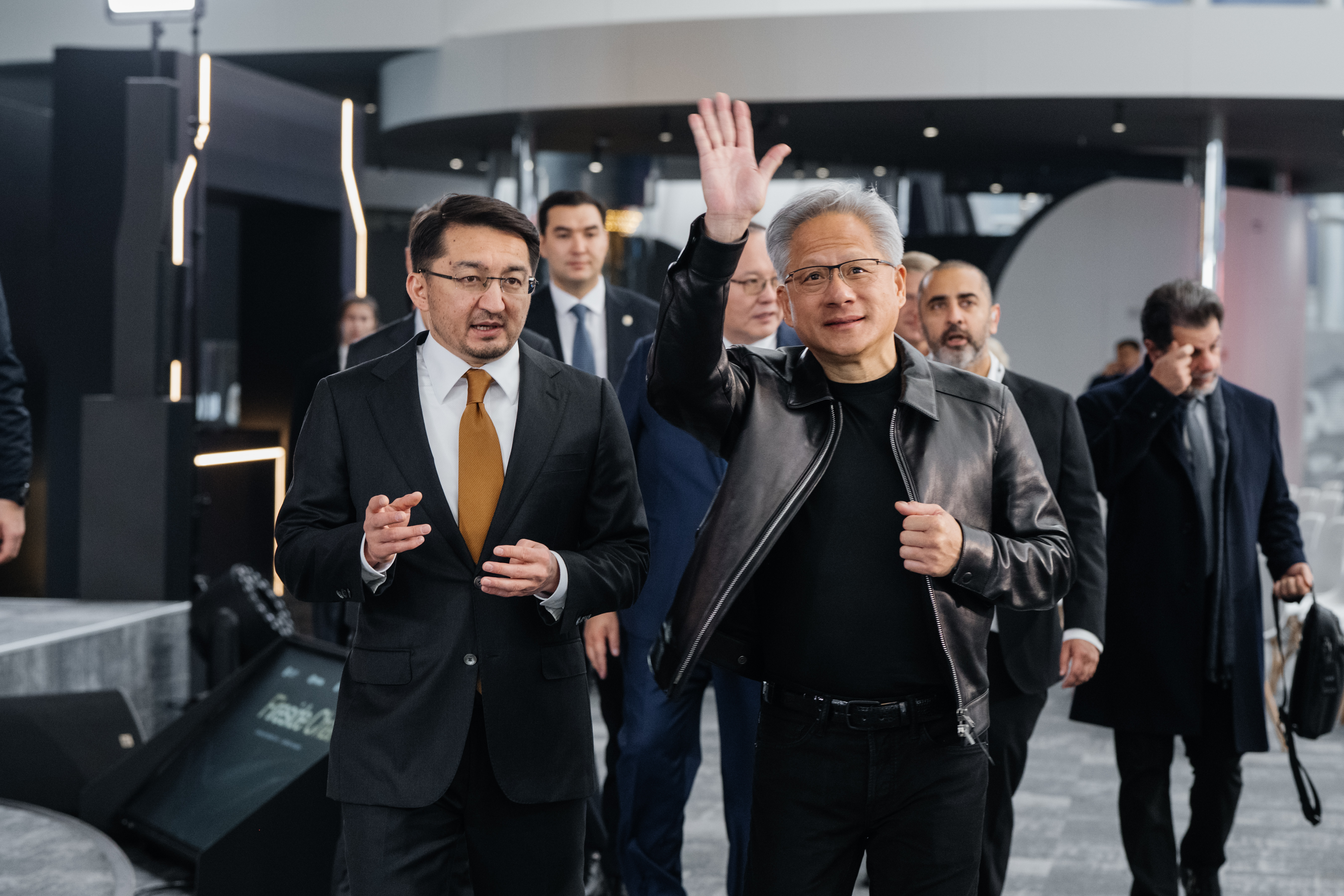
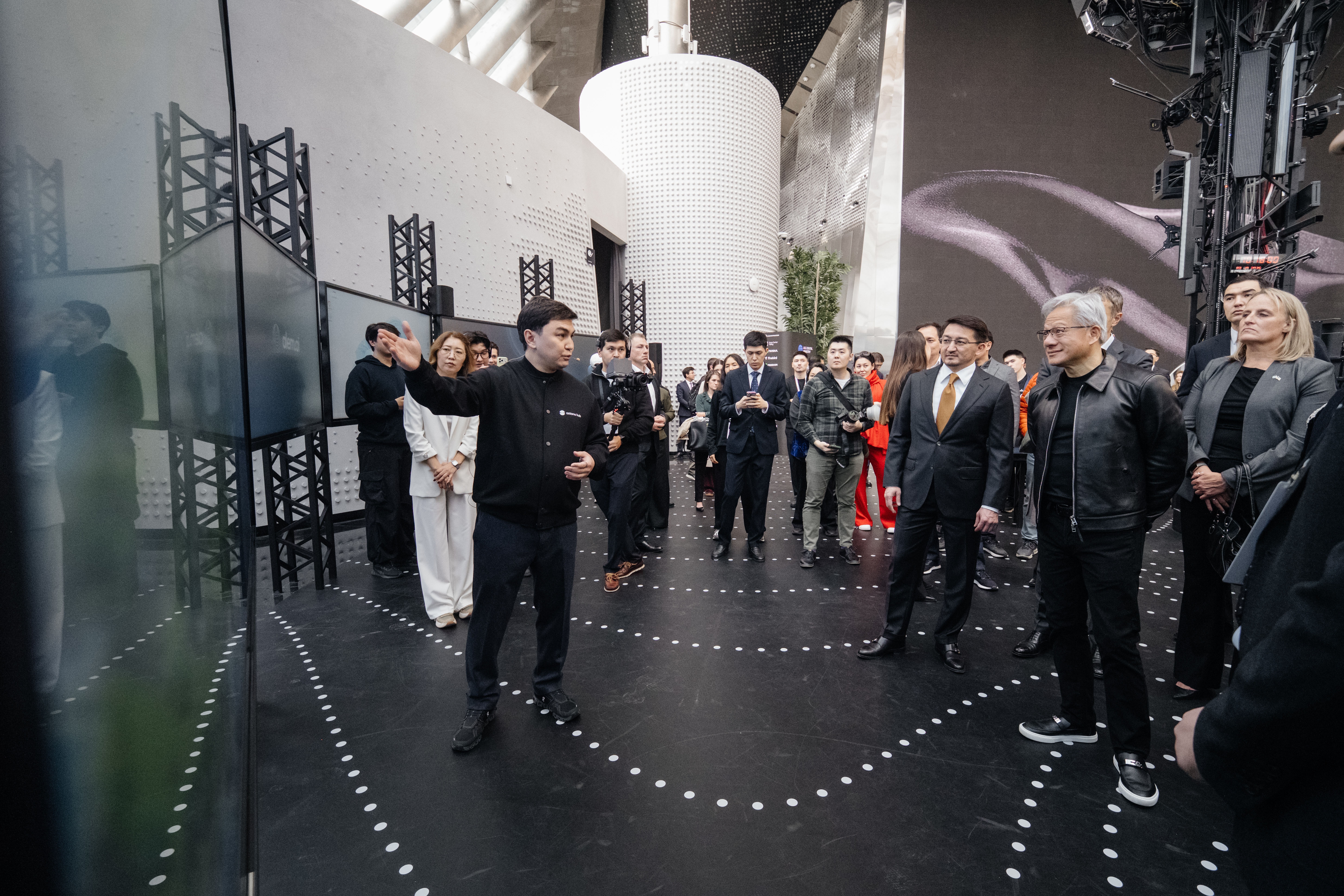
The first visit to Astana by NVIDIA founder and CEO Jensen Huang brought particular international attention to alem.ai. During his visit, he toured the centre and learned about the development of Kazakhstan’s AI ecosystem.
Astana Hub also operates a technology challenges platform, connecting companies, government agencies and IT teams to address practical industry needs. In 2026, 385 challenges were posted on the platform, attracting more than 3,000 proposed solutions. This approach helps businesses find developers to automate production, improve safety and enhance management, while enabling IT companies to build products in response to specific market demand.
Together with industry partners, Astana Hub is developing technology centres in MedTech, GameDev, AgriTech and Robotics/Physical AI. It has also launched startup support programmes, including Gamepreneurs for game development and Tech Incubator for hardware, robotics and cybersecurity.
Astana Hub Ventures provides investment support to technology startups. Its portfolio currently covers more than 90 startups, including companies that have received direct investment and projects funded through Astana Hub ecosystem programmes. Startups backed by the fund in 2026 include Higgsfield, Mirai Tech, Perceptis, PanDev Metrics, Luwo, Admyra, Resti and Scano. In addition to financing, these companies gain access to expert support and a partner network, helping them develop their products and businesses, raise follow-on investment and enter international markets.
A fund of funds managed by Alem Capital Management has also been established with Astana Hub’s support, focusing on the venture capital markets of Kazakhstan, Central Asia and the Caucasus. Its purpose is to support Kazakhstani and regional venture fund managers and give local founders access to capital on a par with their peers in leading global markets.
Startups ready to expand internationally can access acceleration programmes abroad. Hero Training, delivered in partnership with Draper University, and Alchemist Silkroad – Silicon Valley Residency, implemented jointly with Silkroad Innovation Hub, IT Park and IT Park Ventures, help entrepreneurs explore the US market and work with international experts.
In 2026, Astana Hub and Astana Hub Ventures launched Globalpreneurs, a programme providing financial support to startups accepted into leading international accelerators. Supported companies include Bult.ai (MassChallenge, USA), Resti (Antler MENAP Residency, Saudi Arabia), Cyberlabs (StartX, USA), Admyra (Inception, Antler and EF, USA), and Scano — Media Monitoring (ITU SEED Acceleration Program, Türkiye). The programme gives Kazakhstani startups additional opportunities to enter international markets, access expertise and scale their businesses.
Astana Hub is also developing a network of international innovation hubs: Silkroad Innovation Hub in the United States, Tumar Innovation Hub in the United Arab Emirates, Khan Tengri Innovation Hub in China, Big Sky Sea Hub in Malaysia, and Eurasia Growth Hub in the United Kingdom.
Under the Trusted Kazakhstan concept, the Digital Nomad Residency and Digital Nomad Visa programmes have been launched to attract international IT professionals and strengthen ties with the global technology community. Since their launch, they have received 2,200 applications from 82 countries. These programmes encourage the exchange of expertise, support the development of local IT teams and create new opportunities for technology businesses in Kazakhstan.
Over eight years, Astana Hub has grown from an initiative into an extensive technology ecosystem that brings together thousands of companies, entrepreneurs, investors and talented professionals. Today, it is a place where ideas take shape, technologies are developed, new markets emerge, and opportunities open up for Kazakhstan to expand its presence on the global technology stage.
On 6 November, Astana Hub celebrates its eighth anniversary. Over this period, the international innovation cluster has become a key centre for the development of the IT and AI industries in Kazakhstan and Central Eurasia, building an extensive ecosystem for startups, investors and technology companies. With the support of the President, the Government and Kazakhstan’s Ministry of Artificial Intelligence and Digital Development, the country has created conditions that foster technology entrepreneurship, attract investment and strengthen its integration into the global innovation ecosystem.
“Today, Astana Hub is a fully fledged technology ecosystem bringing together 2,700 companies, including 560 with foreign participation. It provides an environment where ideas become products, startups grow into international businesses, and talented people find opportunities to fulfil their potential. Since 2019, ecosystem participants have generated $6.7 billion in total revenue and $2.4 billion in IT services exports, while startups have attracted more than $2 billion in investment. These figures reflect sustained efforts to develop entrepreneurship, technology and human capital. We are creating conditions that enable technology to drive economic growth and Kazakhstani companies to become part of the global technology market. Our greatest achievements, however, are measured not only by the scale of the ecosystem and its economic performance, but above all by the people, companies and technologies that are becoming the foundation of the country’s digital economy,” said Magzhan Madiyev, CEO of Astana Hub.
Astana Hub continues to expand its technology ecosystem across the country. Today, the cluster brings together 20 regional IT hubs that serve as centres for local community development, IT training and support for technology entrepreneurship. Since their launch, the regional hubs have held more than 5,200 events, bringing together 80,000 participants and showcasing 700 startups. Alongside these activities, programmes such as Startup Orda, G-Ton and Smart City Accelerator support entrepreneurial initiatives, help startups grow and promote the adoption of innovative solutions in the regions.
Major events on this year’s technology calendar included the Digital Qazaqstan national forum in Shymkent, the AI & Digital Bridge 2026 international forum in Astana, and GITEX AI Kazakhstan, held in Kazakhstan for the first time. Together, these events strengthened Kazakhstan’s position as a Eurasian technology and AI hub, advancing international cooperation, entrepreneurship and investment.
Another milestone in 2026 was HackAlem AI, the world’s largest AI hackathon, which brought together 2,415 participants and set a Guinness World Record with the participation of global technology partners NVIDIA and OpenAI.
Astana Hub actively contributes to training the next generation of IT professionals and developing digital skills, creating learning opportunities for people of different ages and experience levels. TUMO Astana, a centre for creative technologies, currently serves 2,430 teenagers. Participants aged 12 to 18 study 11 digital and creative disciplines, including programming, robotics, game development, generative artificial intelligence and filmmaking.
The next stage focuses on professional training for the IT industry. Tech Orda, a programme delivered through Astana Hub to develop human capital in information and communication technologies, has already trained 11,410 people across 133 IT schools. According to programme data, 90% of graduates are employed. For participants, the programme offers a path into a new profession; for companies, it provides access to specialists with in-demand skills.
In parallel, Tomorrow School, Kazakhstan’s first peer-to-peer artificial intelligence school, continues to grow. The project is run by Alem.ai Foundation within the ecosystem of Astana Hub and the alem.ai International Artificial Intelligence Centre. The school currently has 481 students, and its Astana campus has received more than 24,000 applications over two years. In 2026, Tomorrow School entered a new phase of development, expanding its network to 14 cities across Kazakhstan. This enables young people to study in-demand technology disciplines and access modern AI education without leaving their home regions. More than 80 students have already secured IT positions before completing the programme.
ML School Kazakhstan was launched to provide advanced training in artificial intelligence and machine learning. The free, two-year programme draws on the academic expertise of the Yandex School of Data Analysis and aims to train highly qualified machine learning specialists and researchers. It received 822 applications for its first intake, with 32 participants already enrolled.
Astana Hub’s educational ecosystem also includes the online platform edu.astanahub.com, which makes modern digital knowledge and tools accessible to a broad audience. Its offerings include Data Engineering, Prompt Engineering, No Code/Low Code School and other programmes that have already helped tens of thousands of people in Kazakhstan develop skills for digital careers and learn to use modern digital tools.
Particular attention is paid to supporting talent at the intersection of science, artificial intelligence and technology entrepreneurship. Alem AI Talent Lab was launched as part of this effort. The programme invests in emerging talent and supports the development of future technology founders, including those with the potential to build unicorn companies.
Large-scale acceleration programmes have played an important role in the ecosystem’s growth. Silkway Accelerator, an international programme developed with Google for Startups, has already supported 83 startups through to graduation. The Startup Garage incubation programme has supported more than 1,400 early-stage projects, of which 428 have successfully completed the programme. AI’preneurs, the flagship international programme for building AI startups, has produced 125 graduates and 51 startup projects. These startups have generated more than $618,000 in combined sales and raised $400,000 in investment.
Launched jointly with the Astana city administration, Astana Innovations Accelerator brings together startups to develop and deploy advanced technologies that improve quality of life in the capital. This year, the programme received 354 applications. As a result, 17 projects have already been deployed in schools, healthcare facilities, municipal utilities, transport services and units of Astana’s Department of Emergency Situations.
Also in 2026, Astana Hub and the Almaty city administration launched Central Eurasian Market Entry, an acceleration programme based at Almaty Hub that supports startups entering Central Asian markets. The programme received 132 applications from 14 countries. Following the selection process, 13 startups were selected to prepare to scale their businesses across the region.
Established at the direction of the President of Kazakhstan, the alem.ai International Artificial Intelligence Centre has become a meeting point for talented professionals, researchers and members of the global AI community. The centre provides an international environment for knowledge exchange, talent development and the training of the next generation of AI leaders.
In 2026, it hosted Northern Eurasia Camp, an international competitive programming training camp that brought together 20 of Northern Eurasia’s strongest university teams to prepare for the ICPC World Finals. Most participating teams had qualified for the ICPC World Finals 2026 and underwent intensive training ahead of the competition in Dubai.
The first visit to Astana by NVIDIA founder and CEO Jensen Huang brought particular international attention to alem.ai. During his visit, he toured the centre and learned about the development of Kazakhstan’s AI ecosystem.
Astana Hub also operates a technology challenges platform, connecting companies, government agencies and IT teams to address practical industry needs. In 2026, 385 challenges were posted on the platform, attracting more than 3,000 proposed solutions. This approach helps businesses find developers to automate production, improve safety and enhance management, while enabling IT companies to build products in response to specific market demand.
Together with industry partners, Astana Hub is developing technology centres in MedTech, GameDev, AgriTech and Robotics/Physical AI. It has also launched startup support programmes, including Gamepreneurs for game development and Tech Incubator for hardware, robotics and cybersecurity.
Astana Hub Ventures provides investment support to technology startups. Its portfolio currently covers more than 90 startups, including companies that have received direct investment and projects funded through Astana Hub ecosystem programmes. Startups backed by the fund in 2026 include Higgsfield, Mirai Tech, Perceptis, PanDev Metrics, Luwo, Admyra, Resti and Scano. In addition to financing, these companies gain access to expert support and a partner network, helping them develop their products and businesses, raise follow-on investment and enter international markets.
A fund of funds managed by Alem Capital Management has also been established with Astana Hub’s support, focusing on the venture capital markets of Kazakhstan, Central Asia and the Caucasus. Its purpose is to support Kazakhstani and regional venture fund managers and give local founders access to capital on a par with their peers in leading global markets.
Startups ready to expand internationally can access acceleration programmes abroad. Hero Training, delivered in partnership with Draper University, and Alchemist Silkroad – Silicon Valley Residency, implemented jointly with Silkroad Innovation Hub, IT Park and IT Park Ventures, help entrepreneurs explore the US market and work with international experts.
In 2026, Astana Hub and Astana Hub Ventures launched Globalpreneurs, a programme providing financial support to startups accepted into leading international accelerators. Supported companies include Bult.ai (MassChallenge, USA), Resti (Antler MENAP Residency, Saudi Arabia), Cyberlabs (StartX, USA), Admyra (Inception, Antler and EF, USA), and Scano — Media Monitoring (ITU SEED Acceleration Program, Türkiye). The programme gives Kazakhstani startups additional opportunities to enter international markets, access expertise and scale their businesses.
Astana Hub is also developing a network of international innovation hubs: Silkroad Innovation Hub in the United States, Tumar Innovation Hub in the United Arab Emirates, Khan Tengri Innovation Hub in China, Big Sky Sea Hub in Malaysia, and Eurasia Growth Hub in the United Kingdom.
Under the Trusted Kazakhstan concept, the Digital Nomad Residency and Digital Nomad Visa programmes have been launched to attract international IT professionals and strengthen ties with the global technology community. Since their launch, they have received 2,200 applications from 82 countries. These programmes encourage the exchange of expertise, support the development of local IT teams and create new opportunities for technology businesses in Kazakhstan.
Over eight years, Astana Hub has grown from an initiative into an extensive technology ecosystem that brings together thousands of companies, entrepreneurs, investors and talented professionals. Today, it is a place where ideas take shape, technologies are developed, new markets emerge, and opportunities open up for Kazakhstan to expand its presence on the global technology stage.

 Share